



NYC launches accessible taxi dispatching service
Metro Taxi, a company located in West Haven, Conn., will dispatch 233 NYC accessible taxicabs to locations within Manhattan.

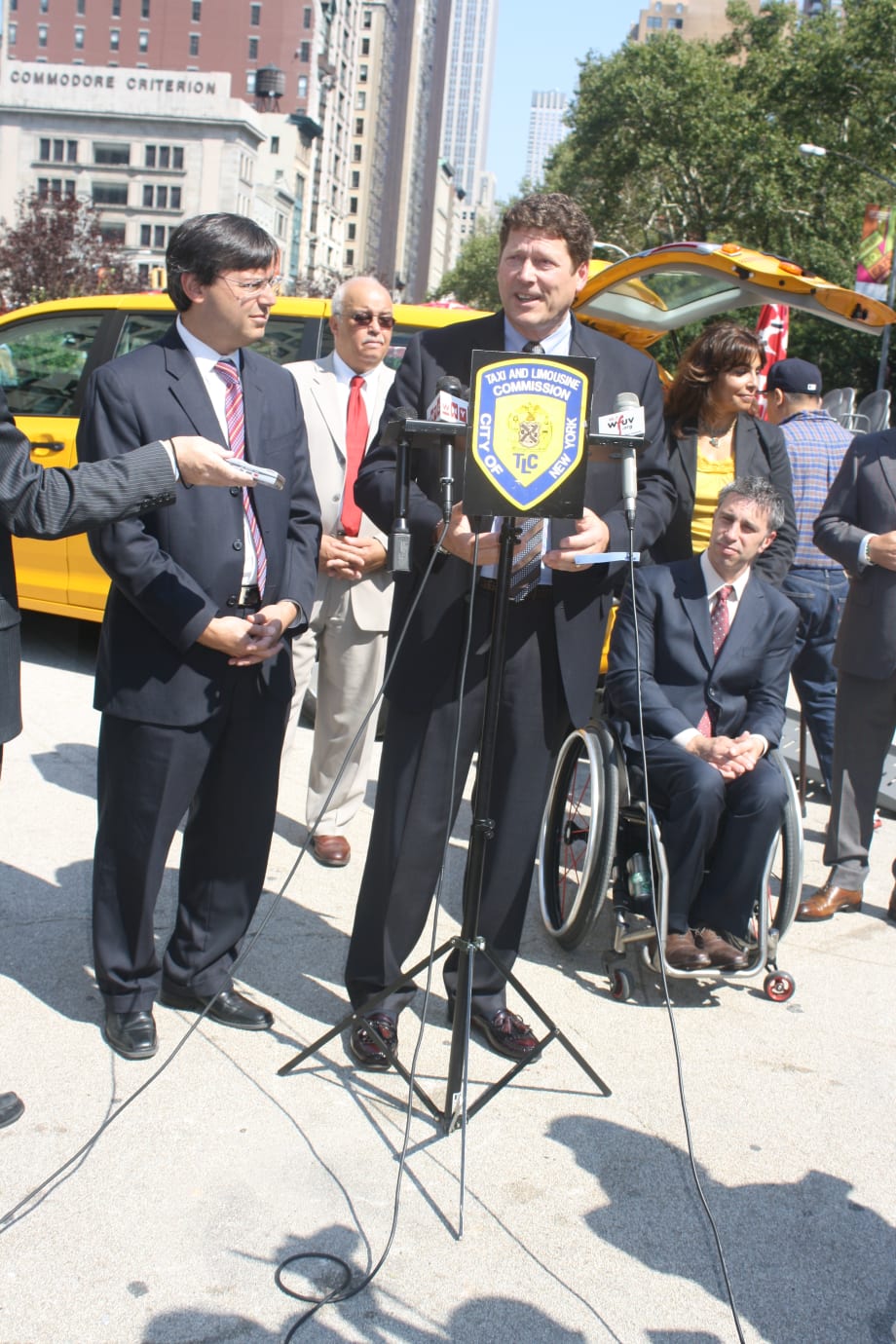
William Scalzi, president of Accessible Dispatch, the Connecticut company that will dispatch wheelchair accessible taxis in NYC (center); David Yassky, Chairman of the NYC Taxi and Limousine Commission (left); and Victor Calise, Commissioner of the Mayor’s Office for People with Disabilities (right).
William Scalzi, president of Accessible Dispatch, the Connecticut company that will dispatch wheelchair accessible taxis in NYC (center); David Yassky, Chairman of the NYC Taxi and Limousine Commission (left); and Victor Calise, Commissioner of the Mayor’s Office for People with Disabilities (right).
The New York City Taxi and Limousine Commission (TLC) launched a new program providing wheelchair-accessible taxi dispatching services to New York City residents.
Metro Taxi, a company located in West Haven, Conn., will dispatch 233 NYC accessible taxicabs to locations within Manhattan. Accessible Dispatch is a centralized service providing on-demand transportation 24/7, 365 days a year with no advance reservations necessary.
Key points of the service include:
Wheelchair-accessible taxis will respond to trips originating in Manhattan and ending anywhere in the five boroughs, Westchester and Nassau counties and the three regional airports.
Passengers pay the normal metered taxi fare in New York City from the point of pick-up to destination. There are no extra costs to passengers.
Accessible vehicles in the NYC fleet include rear and side entry minivans.
When offered a trip, the taxi driver must accept it within two minutes and proceed directly to the pick-up location.
Accessible Dispatch will pay drivers directly for the “deadhead,” or travel time, portion of their trips en route to scheduled pick-ups. These costs are funded through a fee paid by all New York City taxi medallion owners.
All drivers who operate a wheelchair-accessible taxicab have been or will be trained in wheelchair assistance, boarding and de-boarding protocols, disability awareness and passenger sensitivity.
More Paratransit

King County Metro Makes ADA Paratransit Easier to Navigate
METRO's Innovative Solutions Award winner replaces complex service-area descriptions with an accessible, interactive map that puts paratransit information directly in customers’ hands.
Read More →
Jacksonville’s NAVI Project Charts a New Course for Autonomous Public Transportation
Through its NAVI program, JTA is showing how autonomous vehicles, intelligent infrastructure, and coordinated operations can work together to deliver everyday public transportation.
Read More →
Driving Smarter Paratransit
John Hanlon shares how AlphaRoute is leveraging AI-powered technology to help paratransit providers optimize operations, support frontline staff, and enhance the rider experience.
Read More →
METRO Magazine Announces 2026 Innovative Solutions Awards Winners
Projects Recognized for Advancing Mobility Through Technology, Accessibility, Workforce Innovation, and Operational Excellence
Read More →
Biz Briefs: STV teams with Amtrak, Motorcoach Operators Boost Fleet and Land Contracts, and More
From manufacturers and suppliers to transit agencies and motorcoach operators, these updates offer a snapshot of the projects, partnerships and business moves driving the industry forward.
Read More →
Biz Briefs: Masabi Teams with St. Louis Metro and More
In METRO's latest installment, we take a look at recent news from Transdev, Hitachi, and more partnerships making headlines across the transportation sector.
Read More →
New York MTA Leverages Zoning Program to Advance Station Accessibility
Accessibility enhancements at Nevins St Station will be financed through a development agreement tied to the MTA's Zoning for Accessibility initiative.
Read More →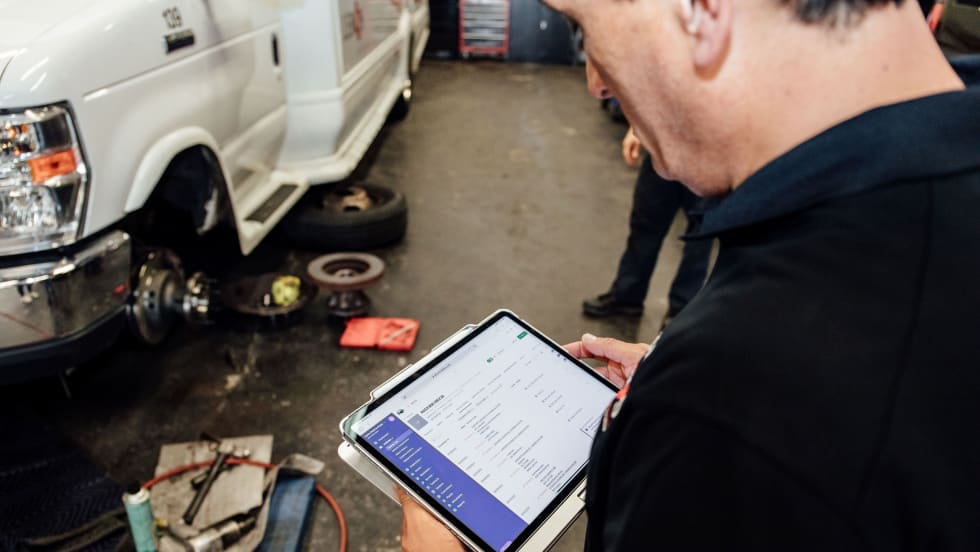
Reinventing Fleet Maintenance with Real-time Visibility and AI
Transit leaders need to know what needs fixing, where to look, who is responsible, when work is completed, and what it costs without having to chase information across disconnected systems.
Read More →
SamTrans Sets Priorities for Potential Connect Bay Area Revenue
The board-approved framework allocates future funding to maintaining service, rider improvements, equity initiatives, and infrastructure repairs.
Read More →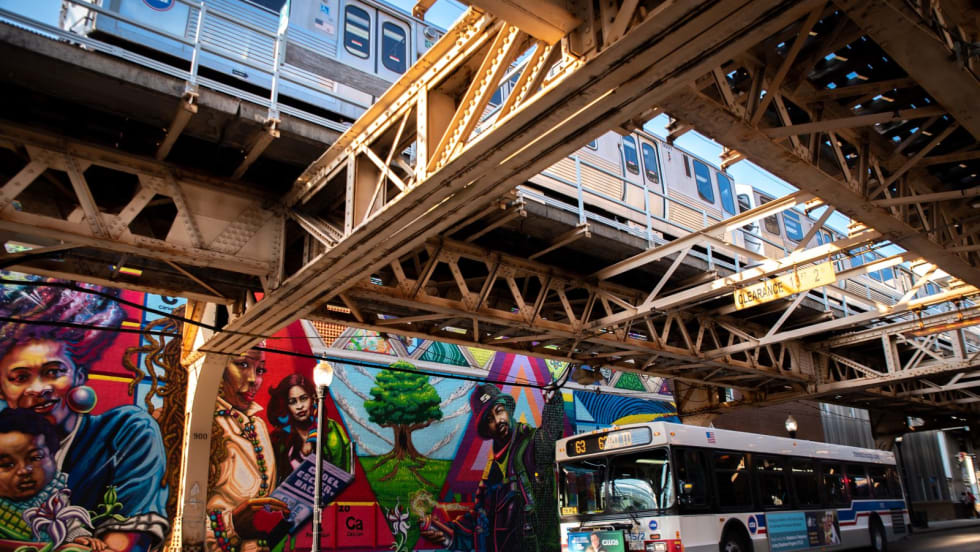
Chicago's NITA Act Moves Into Next Phase as Service Improvements Begin
Rider-focused improvements will begin rolling out across the system immediately as CTA, Metra, and Pace increase service this summer in the six-county region.
Read More →