




Related: FTA proposes rule to establish new safety program for transit
NYC Transit receives $57M to improve communications, subway stations
As part of the ongoing process to fix and fortify the system against future catastrophic weather events like Sandy, the agency plans to replace the current emergency booth communication system that provides emergency and security communications between train supervisors and personnel across the subway system.
September 4, 2015
2 min to read

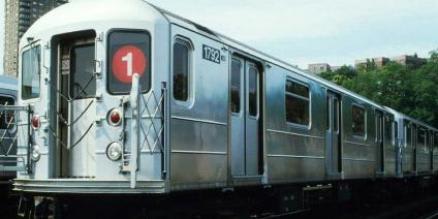
Gov. Andrew Cuomo announced that the Metropolitan Transportation Authority’s New York City Transit received two Federal Transit Administration (FTA) grants totaling $57,141,634 for two major storm resiliency projects in subway stations: a new emergency communications system and a hardening project to protect station rooms that are critical to service delivery.
“These federal grants enable New York City Transit’s recovery from a devastating storm by funding critical improvements and repairs for a system that moves six million people a day,” said MTA Chairman/CEO Thomas F. Prendergast. “The MTA’s goal is to make the subway system stronger and more resilient than ever if and when we face another historic storm like Sandy. To do that, we look to our federal partners to help us protect a trillion-dollar asset that powers the New York region, and we thank the FTA for acknowledging how vitally important the New York subway system is to the city and its people.”
As part of the ongoing process to fix and fortify the system against future catastrophic weather events like Sandy, NYC Transit plans to replace the current emergency booth communication system that provides emergency and security communications between train supervisors and personnel across the subway system.
The first grant of $52,425,000 funds a new state-of-the-art system that will provide instant communication between station agents and Rail Control Center supervisors and enable direct communication between customers and supervisors system-wide in the event of an emergency. The project includes installation of the new system at the Rail Control Center and at all subway stations; new work areas at subway, bus and electronic maintenance centers; and connection and integration with existing service delivery technology in use at NYC Transit.
MTA will match that federal grant with $17,475,000 in funds from the 2010-2014 Capital Program, for a total cost of $69.9 million.
A second grant of $4,716,634, with a $1,572,211 match from the MTA, will fund the hardening of critical station rooms to prevent widespread flooding elsewhere in the system from breaching areas that house sensitive electronic equipment. This includes storm resiliency measures to protect station facility rooms at the Federal Emergency Management Agency 100-year flood level, plus one foot, but NYC Transit will seek to exceed this level whenever possible. The design will seal conduits; move vents; add watertight or marine doors, and install drains and valves.
This grant covers work for up to 21 rooms at four stations and is intended to pay for the first phase of a station-hardening project that will ultimately improve the flood resiliency of a total of 54 rooms.
More Management
DART Customer Satisfaction Reaches Six-Year High
Overall satisfaction rose to 74.9%, while the agency’s Net Promoter Score reached a record 33.7.
Read More →
House Surface Transportation Bill Advances as Transit Funding Debate Intensifies
A bipartisan transportation package moving through Congress could redefine how the U.S. funds highways, transit, and motorcoach travel, while igniting new fights over electrification, regulation, and federal priorities.
Read More →
How Data, Strategy, and Community Engagement Are Reshaping Transit
In this edition of METROspectives, strada360 CEO Steve Lassey discusses how transit agencies can better align planning with operations, leverage data to improve decision-making, and build public trust as they prepare for the future of mobility.
Read More →
Amtrak Board Advances Plan to Restructure Organization, Seeks Public Input
The proposal, developed by Amtrak management and approved by the board for further consideration, is intended to modernize the organization's structure while improving accountability, operational efficiency, and customer service.
Read More →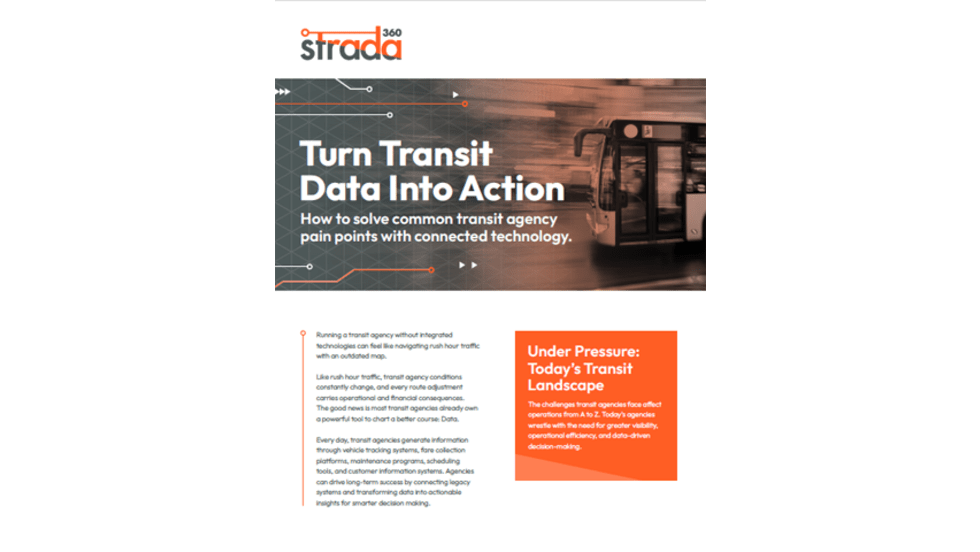
Sponsored•August 2, 2026
Turn Transit Data Into Action
Discover how leading agencies are using connected technology to gain real-time visibility across operations, improve service reliability, and reduce disruptions.
Read More →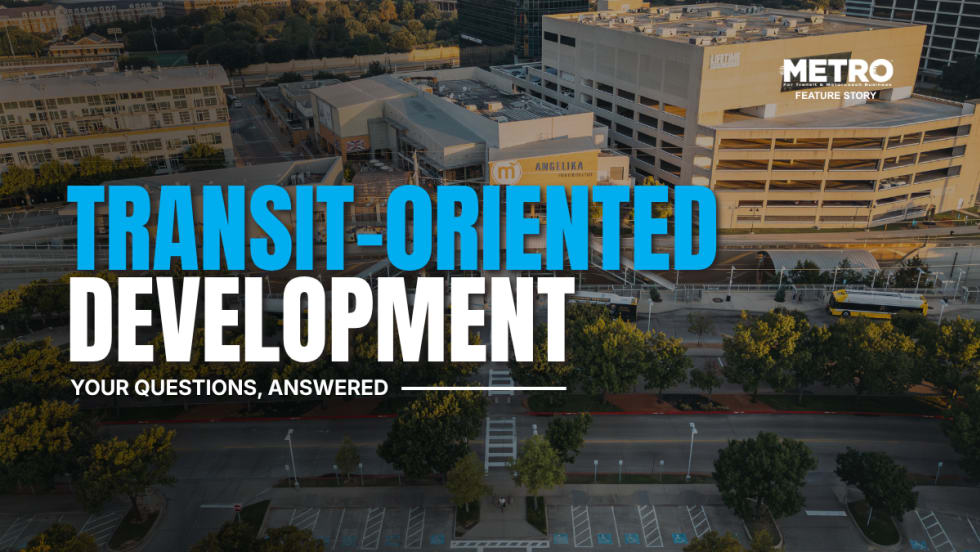
What Transit-Oriented Development Means for the Future of Public Transportation
Once viewed primarily as transit operators, agencies are now leveraging land, partnerships, and long-term planning to boost ridership, expand housing, and strengthen communities.
Read More →
USDOT Announces $22 Million for Transit Innovation, Updates High-Speed Rail Rules
New federal transit funding will support safety, accessibility, and technology projects as updated rail regulations establish new noise standards for high-speed trains.
Read More →
Transportation Construction Coalition Unveils Infrastructure Case Studies Ahead of Federal Funding Deadline
The coalition noted the next surface transportation bill should provide sustained investment in highways and public transit to strengthen freight movement, improve safety, and support economic growth.
Read More →
People Movement: American Bus Association Extends Ferguson and More
METRO’s People Movement highlights the latest leadership changes, promotions, and personnel news across the public transit, motorcoach, and people mobility sectors.
Read More →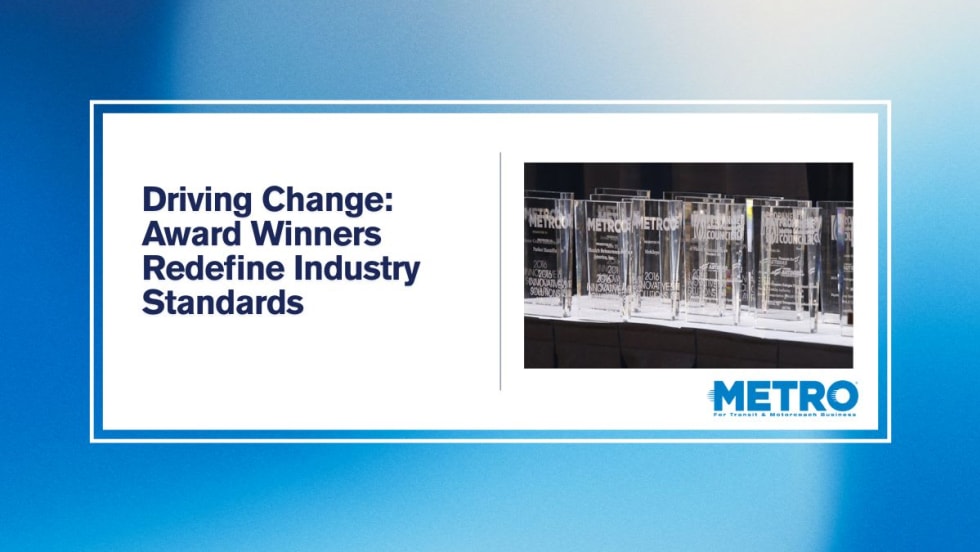
METRO Magazine Announces 2026 Innovative Solutions Awards Winners
Projects Recognized for Advancing Mobility Through Technology, Accessibility, Workforce Innovation, and Operational Excellence
Read More →