



Phoenix taps route, mode for extension project
Light rail will be extended 11 miles from downtown Phoenix, through the State Capitol area.This is Metro’s first freeway corridor project, providing the growing West Valley with a higher-capacity and more efficient transit option by 2023.

Phoenix-based Valley Metro (Metro) received regional approval from the Maricopa Association of Governments (MAG) on the route and transit mode for the Phoenix West extension.
Light rail will be extended 11 miles from downtown Phoenix, through the State Capitol area, to approximately 79th Avenue and the I-10 West freeway. This is Metro’s first freeway corridor project, providing the growing West Valley with a higher-capacity and more efficient transit option by 2023.
“This project is an opportunity to extend the multi-modal Total Transit Network to the West Valley,” said Valley Metro CEO Steve Banta. “It will help ease congestion on the busy Interstate 10 freeway and provide swift connectivity to jobs, schools, activity centers and entertainment options across the Valley.”
In 2007, Metro and the City of Phoenix initiated the Phoenix West Alternatives Analysis study to identify potential high capacity transit improvements for the West Valley. Throughout the years, the project team has conducted significant technical analysis, partnered with the Arizona Department of Transportation (ADOT) and integrated public input to define the route and mode.
Light rail as a fixed investment and the route design will provide opportunities for economic development and community revitalization. Within the freeway, the route will move from the median to the north side at approximately 47th Avenue to help create additional development.
MAG’s action will update the project in the long-range regional transportation plan following an air conformity analysis. The project will now enter the environmental assessment phase, where early design work can also begin.
More Rail
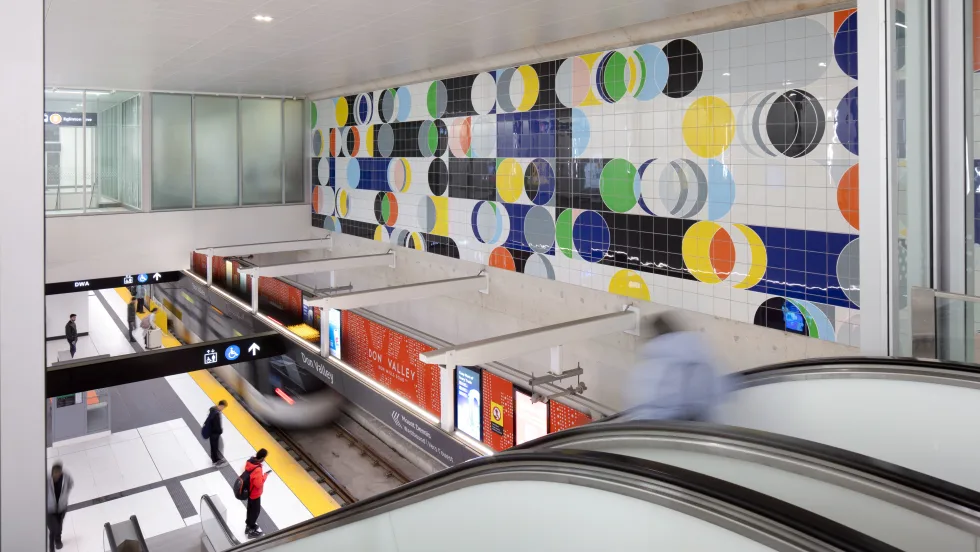
How Gen Z's Changing Mobility Habits Are Reshaping Public Transit
As younger generations embrace multimodal mobility over private vehicles, transit agencies can rethink station design, the passenger experience, and public transportation's role in building connected communities.
Read More →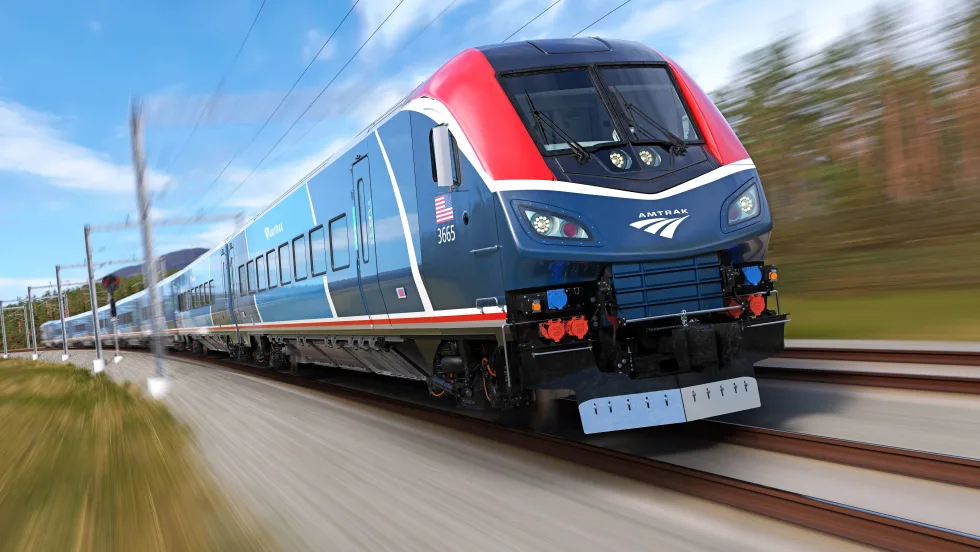
Amtrak Expands Airo Fleet with Eight Higher-Capacity Trainsets
The new 10-car trains, expected to enter service in 2031, will provide about 34% more seating capacity to meet growing demand on the Northeast Corridor.
Read More →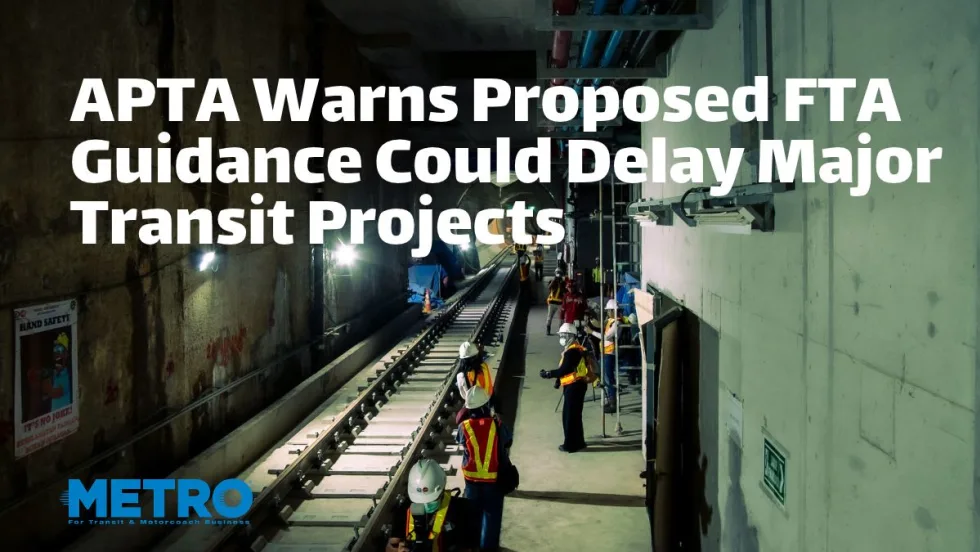
APTA Urges FTA to Withdraw Proposed Capital Investment Grants Guidance
The association warns that proposed changes could delay transit projects, reduce federal funding, and create new hurdles for 47 projects currently in the CIG pipeline.
Read More →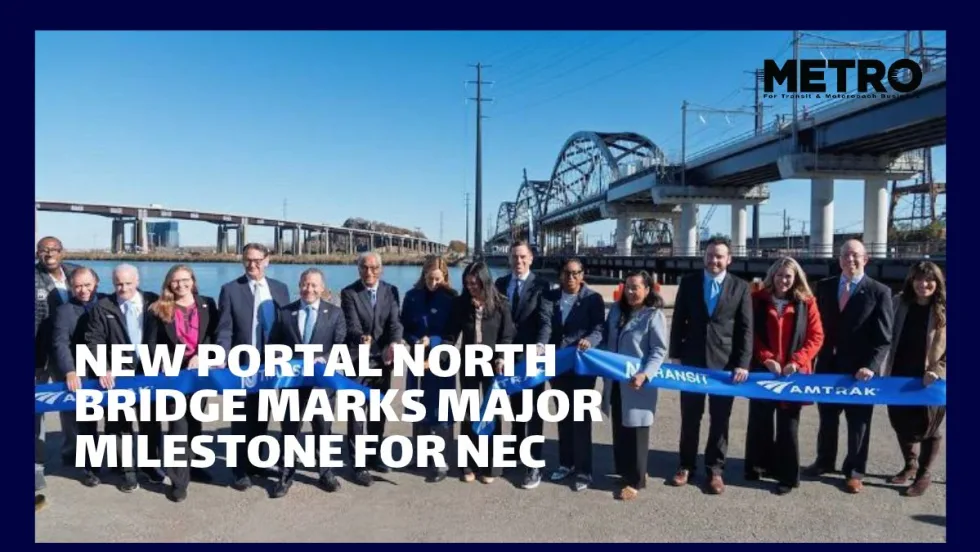
Amtrak, NJ TRANSIT Launch Full Service on New Portal North Bridge
The completion of the two-track bridge over the Hackensack River eliminates a longstanding source of delays for NJ TRANSIT and Amtrak customers. It marks a major milestone for the Gateway Program.
Read More →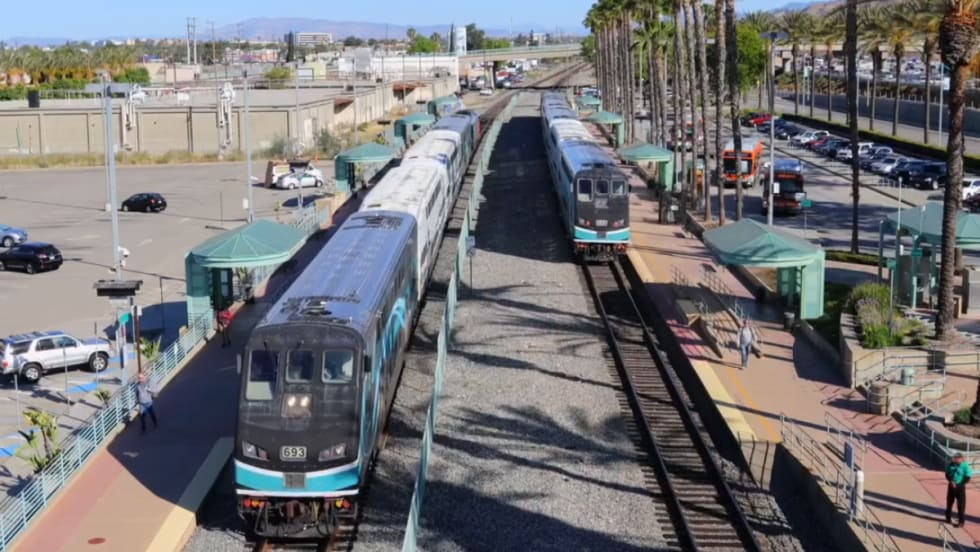
Southern California’s Metrolink Approves $508.8M Budget, Avoids Service Cuts
A $20 million state allocation allows the regional rail agency to maintain existing weekday and weekend service through fiscal year 2028, although longer-term funding challenges remain.
Read More →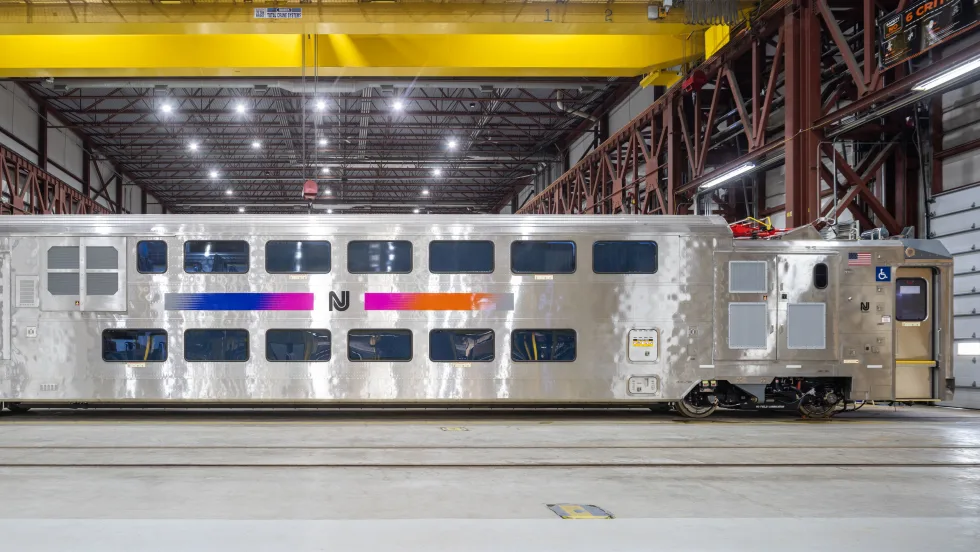
NJ TRANSIT Approves $65.6M for Hudson-Bergen Light Rail Improvements
The funding marks the first phase of a planned $250 million investment over five years to modernize stations, overhaul vehicles, and improve system reliability and passenger safety.
Read More →
STraffic Expands North American Presence with Fare Collection Technology
John Moon, Associate Director, Product Strategy at STraffic, discusses the company's growth in North America, its efforts to reduce fare evasion, and more.
Read More →
Study: Denver RTD Generates $2.1 Billion in Annual Economic Activity
An economic impact study finds the agency supports approximately 17,500 jobs, delivers $1.6 billion in annual community and mobility benefits, and generates $2.42 in economic value for every dollar invested.
Read More →
Mark Aesch Nominated to Lead Federal Transit Administration
The former Rochester transit chief and TransPro founder, who has also contributed to METRO Magazine, brings decades of industry experience and a focus on performance, accountability, and financial sustainability to the nomination.
Read More →
Transit Expands Agency Partnerships, Reaching 200 Official App Partners
COO Jake Sion discusses Transit’s growth, the success of its Transit Royale program, and how technology is helping agencies improve the rider experience.
Read More →