




Miss This? Pittsburgh Rolls Out New Courtesy Campaign
Pittsburgh Regional Transit Faces Proposed Cuts, Releases Final Public Comment Report
More than 4,800 riders shared concerns as the agency warns of deep service cuts and fare hikes without urgent state funding support.
August 5, 2025
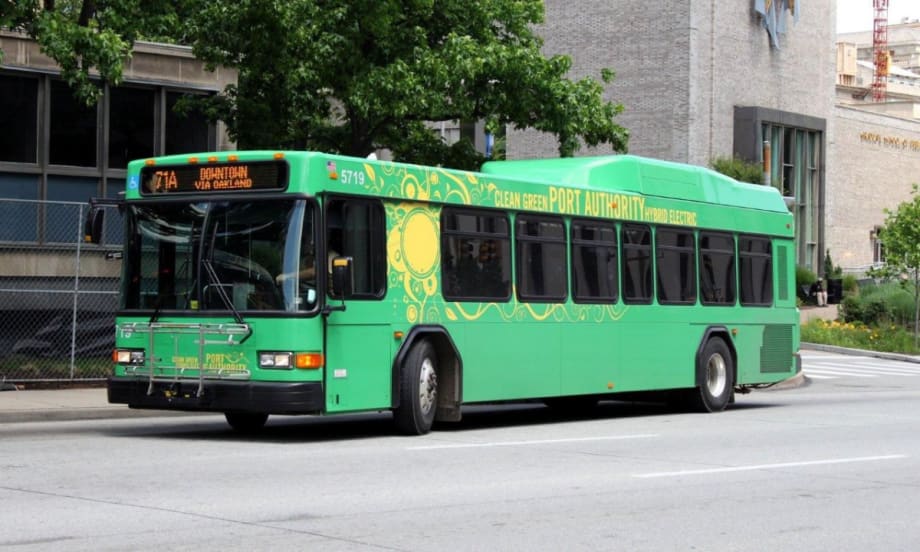
Pittsburgh Regional Transit faces a projected $100M deficit for FY 2026, prompting proposed service cuts and fare hikes amid stagnant funding and ridership decline.
Photo: Pittsburgh Regional Transit
3 min to read
Pittsburgh Regional Transit (PRT) released the final summary of public feedback received during its public comment period regarding proposed service reductions and fare increases that are being considered due to a significant budget shortfall.
The report documents the voices of more than 4,800 individuals who submitted testimony during a nearly three-month process between March 31 and June 18 through in-person hearings, online submissions, voicemail, U.S. Mail, and printed forms.
The proposal projects a $100 million operating budget deficit for FY 2026, caused by stagnant state funding, rising inflation, and long-term ridership declines following the COVID-19 pandemic. Without new revenue, PRT has proposed deep service cuts and fare increases to remain financially solvent.
According to an agency release, individuals overwhelmingly opposed the cuts and fare increases.
The proposed changes include:
A 35% reduction in bus, light rail, and incline service, beginning as early as February 2026.
Elimination of 41 bus routes and the Silver Line light rail service.
Reduced frequency on dozens of other routes, with no transit service after 11 p.m.
A 25-cent increase to the base fare, raising it to $3, one of the highest in the country.
A 62% reduction in the ACCESS paratransit ADA-protected service area and an average 20% increase in ACCESS fares.
Closure of two PRT bus garages, the Wabash Tunnel, and 10 park-and-ride lots.
Elimination of extra service, including before and after concerts, and the 2026 NFL Draft.
“This proposal reflects a worst-case scenario,” said PRT CEO Katharine Kelleman. “If we don’t receive new funding, these service cuts and fare hikes are the only path forward. We’ve done everything we can internally — cutting costs, increasing non-fare revenue, and building a more efficient system — but the funding gap has grown too large to close on our own.”
Riders Speak on Service Cuts and Fare Hikes
In analyzing the feedback, PRT found consistent themes around access to work, healthcare, grocery stores, and childcare, as well as fear of isolation for people with disabilities, older adults, and low-income riders.
Public comments also highlighted how cuts to transit service could ripple through the region’s economy — hurting employers who depend on service workers, increasing congestion, and reducing air quality.
Key takeaways from the public comment period:
99% of commenters opposed all or specific service reductions, emphasizing disproportionate harm to transit-dependent communities.
60% of commenters opposed the fare increase, while many who supported it did so reluctantly, hoping it would prevent deeper cuts.
98% opposed cuts to ACCESS service, expressing concern for seniors and people with disabilities who rely on door-to-door transit.
PRT has also emphasized that these cuts would cancel or delay other planned improvements, including the agency’s Bus Line Redesign project, which would improve job access and service reliability for hundreds of thousands of residents without additional costs to the agency.
“This isn’t just a transit issue. It’s an economic issue, a health issue, and a fairness issue,” Kelleman said. “People across Allegheny County depend on public transit, whether they ride it or not. We need our state leaders to act before this crisis becomes irreversible.
According to an agency release, PRT supports Governor Shapiro’s proposal to increase the transit share of the state sales tax but notes that even this would only partially close the funding gap. Key takeaways and the report’s appendix are available here.
More Management

METRO Opens Submissions for 2026 Motorcoach Awards
Nominations are now being accepted for METRO Magazine’s Operator of the Year and Innovative Operator of the Year awards.
Read More →
New York MTA Advances Final Contract for Second Avenue Subway Expansion
Contract Four is the largest in the Second Avenue Subway Phase 2 project and includes construction of station infrastructure, tracks, and signals for the subway expansion, MTA officials said. Work on Contract Four will begin in 2027.
Read More →
Transit Agencies Highlight Safety Gains at National Summit
Leaders from 15 major transit systems shared crime-reduction results and safety initiatives while discussing the role of continued federal support.
Read More →

NITA Names New Leadership, Expands Reduced-Fare Program at First Board Meeting
The new regional transit authority appointed its first board chair and interim executive director while extending reduced fares across CTA, Metra, and Pace for eligible riders.
Read More →
Beyond the Checklist: A Structured Approach to Transit Maintenance
Reliability-Centered Maintenance helps transit agencies move beyond routine checklists to focus limited resources on the assets and failures that have the greatest impact on safety, reliability, and service.
Read More →
APTA 2026 Nominating Committee Selects Leadership Slate, Names Chair and Vice Chair Nominees
Leadership changes will help shape the association’s priorities and its representation of the transportation industry during the 2026–2027 term.
Read More →
DART Launches Major Security, Fare Enforcement Initiative
The 90-day demonstration will deploy coordinated security teams at five light rail stations while testing controlled access and gathering data to guide future investments.
Read More →
Sponsored•September 9, 2026
Advancing Fare Collection Through Technology and Innovation
Learn about delivering 1300 gates at 91 stations while managing fare evasion. Explore the large scale deployment, solution customization and real-world results that affect the region. Prepare for deployment in your region now.
Read More →
Game Day in Motion: Moving Millions During the 2026 World Cup
Between packed transit stations and team motorcoaches, see how agencies and operators across North America tackled the transportation demands of the 2026 FIFA World Cup.
Read More →
Surface Transportation Extension Averts Shutdown, Leaves Transit Funding Gap
The stopgap keeps federal transportation programs moving, but missing advance funding could complicate the transit and rail projects agencies are planning next.
Read More →