



President's budget proposal includes $74B for U.S. DOT
The centerpiece of the President's FY 2013 budget for the department is a six-year $476 billion surface transportation reauthorization proposal that will improve America's highways and transit networks, continue to ensure that these systems are safe, and give travelers new options by enhancing and expanding passenger rail service.

President Barack Obama proposed a $74 billion budget for the U.S. Department of Transportation (US DOT) that will lay a new foundation for economic growth and competitiveness by investing in the country's national infrastructure network, building on recent safety achievements, and modernizing transportation systems through research and innovation.
The proposal was praised by Secretary of Transportation Ray LaHood.
"President Obama's budget for the Department of Transportation reflects our commitment to investing in an America that is built to last," said Secretary LaHood. "A strong American economy depends on the roadways, runways, and railways that move people and goods from coast to coast and around the globe. President Obama's plan will enable us to build the American infrastructure we need for tomorrow while putting people back to work today."
The centerpiece of the President's FY 2013 budget for the department is a six-year $476 billion surface transportation reauthorization proposal that will improve America's highways and transit networks, continue to ensure that these systems are safe, and give travelers new options by enhancing and expanding passenger rail service. This proposed budget would be fully paid for using half the six-year savings achieved from ramping down the wars in Iraq and Afghanistan, with the other half used to pay down the national debt.
To strengthen the backbone of America's transportation network, the six-year budget includes $305 billion to rebuild America's roads and bridges, a 34% increase over the previous authorization. To help meet growing demand, the proposal also includes $108 billion in funding for affordable, sustainable and efficient transit options, a 105% increase over the previous authorization.
The Administration's national high-speed rail proposal is another critical part of its vision for modernizing America's transportation network. The budget provides $2.5 billion for the first year of a six-year, $47 billion rail investment plan. This will help the Federal Railroad Administration continue to work with states as they plan and develop high-speed and intercity passenger rail corridors across the country. It will also place high-speed rail on equal footing with other transportation programs, revitalize domestic rail manufacturing and ensure that the nation can reach President Obama's goal of providing 80% of Americans access to high-speed rail within 25 years.
The new budget also reaffirms Secretary LaHood's strong commitment to maintaining the highest safety standards for Americans traveling by any mode of transportation. While road, transit and air travel are currently the safest they have ever been in America, the U.S. DOT will build on previous successes to make them even safer. To accomplish that goal, the budget provides nearly $30 billion over the next six years for surface transportation safety programs, an increase of 137% over the previous authorization. This includes $330 million over six years for the department's ongoing campaign against distracted driving. The reauthorization proposal would also give the Federal Transit Administration authority to oversee rail transit safety in cities across the country.
The FY 2013 budget also proposes a series of Pipeline Safety initiatives that will strengthen oversight of our Nation's pipelines.
To view the budget summary document, click here.
More Bus

PSTA Modernizes Workforce Management with Digital Bidding System
The award-winning Workforce Transit Modernization project replaced paper bidding with a transparent digital platform, cutting administrative effort while improving access for operators.
Read More →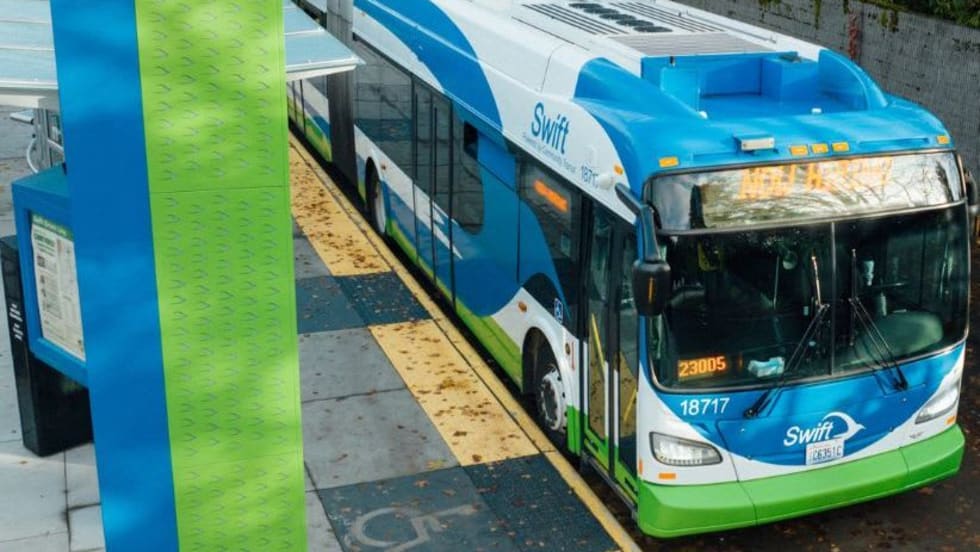
Washington's Community Transit Sets Six-Year Roadmap for Growth, Expansion
Approved TDP targets more bus service, new mobility options, Swift BRT expansion, and a potential Everett Transit annexation.
Read More →
DART Customer Satisfaction Reaches Six-Year High
Overall satisfaction rose to 74.9%, while the agency’s Net Promoter Score reached a record 33.7.
Read More →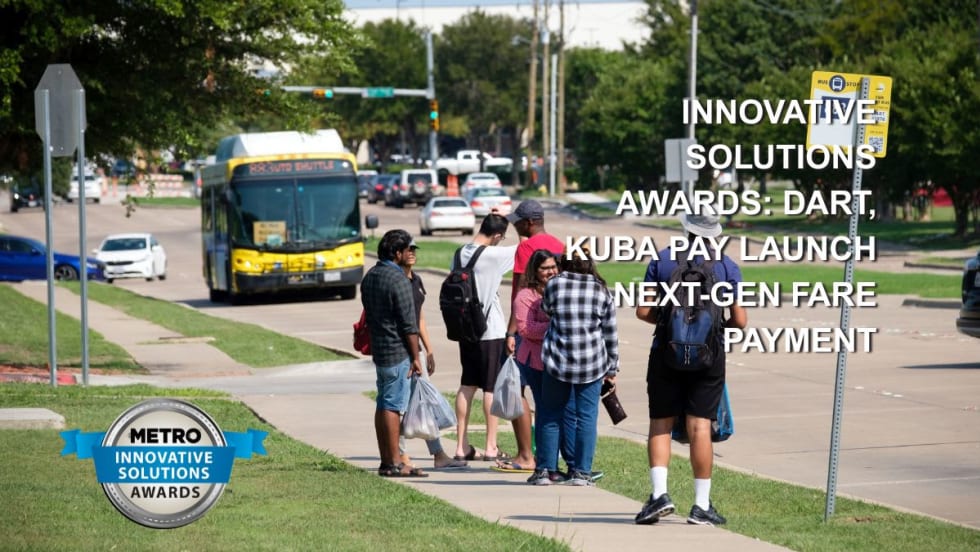
How DART's GoPass Is Redefining Regional Mobility
Serving 14 transit agencies, GoPass simplifies multimodal travel by allowing riders to plan, pay for, and manage an entire trip through one app.
Read More →
Biz Briefs: OCTA Taps Clean Energy for Hydrogen Station, Stadler to Supply Via Rail Vehicles, and More
From manufacturers and suppliers to transit agencies and motorcoach operators, these updates offer a snapshot of the projects, partnerships and business moves driving the industry forward.
Read More →
METRO Magazine Announces 2026 Innovative Solutions Awards Winners
Projects Recognized for Advancing Mobility Through Technology, Accessibility, Workforce Innovation, and Operational Excellence
Read More →
Biz Briefs: STV teams with Amtrak, Motorcoach Operators Boost Fleet and Land Contracts, and More
From manufacturers and suppliers to transit agencies and motorcoach operators, these updates offer a snapshot of the projects, partnerships and business moves driving the industry forward.
Read More →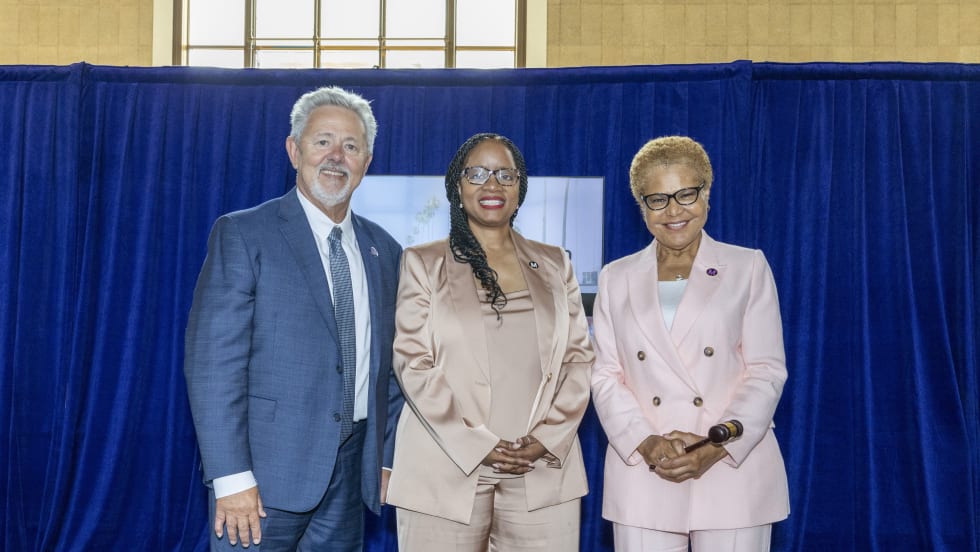
LA Metro Marks Banner Year, Sets Ambitious Goals for New Fiscal Year
Incoming LA Metro Board Chair and Los Angeles Mayor Karen Bass joined outgoing Board Chair Fernando Dutra and LA Metro CEO Stephanie Wiggins to review accomplishments from fiscal year 2026, which included the opening of new rail extensions, advancement of major transit projects, expanded safety programs, and new rider amenities.
Read More →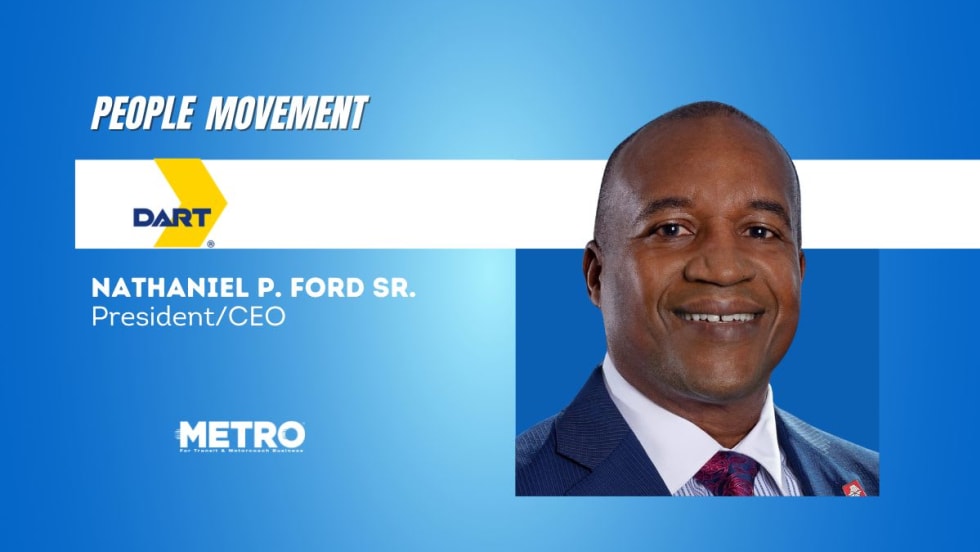
DART Taps Nathaniel P. Ford Sr. as Next President/CEO
Since 2012, Ford has served as the CEO of the Jacksonville Transportation Authority
Read More →
AC Transit’s Cecil Blandon on Building the Next Generation of Transit Maintenance Leaders
The agency’s maintenance chief discusses leadership, workforce development, zero-emission technology, and preparing technicians for the future of public transportation.
Read More →