



Proterra launches new diagnostic tool, cold weather package
A virtual mechanic, the Diagnostic Tool provides access to most of the vehicle’s operational features, including monitoring of the overhead charging system.


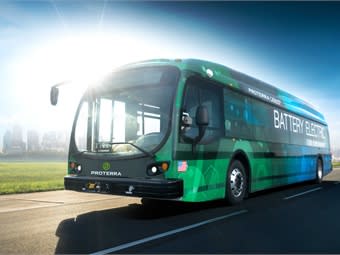
Proterra announced the addition of the Proterra Diagnostic Tool and the Proterra Cold Weather Package to their growing suite of products and services.
The Diagnostic Tool is an industry first: the only diagnostic platform that allows technicians to access all vehicle systems in one place, with one intuitive interface. A simple dashboard displays the vehicle’s functional layout, enabling users to monitor operation levels, see faults, and resolve many issues directly through the interface without physically removing bus panels.
A virtual mechanic, the Diagnostic Tool provides access to most of the vehicle’s operational features, including monitoring of the overhead charging system. Wi-Fi enabled and offering both Bluetooth and USB connectivity, the Diagnostic Tool provides untethered freedom of movement in and around the bus.
To ensure safe and comfortable operation in winter conditions, the company is also introducing the Proterra Cold Weather Package. Already, Proterra buses operate in a variety of climates throughout the U.S. However, since the bus is electric and has no combustion engine, there is no excess heat to reuse within the vehicle. The Cold Weather Package addresses this issue with two different configurations, depending on the severity of climate. For regions with occasional snow and below-freezing temperatures, the Standard Cold Weather Package offers a front door and ADA ramp diffuser to remove ice and minimize slipping, heated mirrors to ensure better visibility, and a heated charge blade and scoop on the roof of the bus for consistent charging all winter.
In areas with more extreme winter weather, such as northern or mountain climate zones, the Extreme Cold Weather Package offers the features of the Standard Package, with additional auxiliary heat for sub-zero conditions to keep riders and drivers comfortable. In addition, a heated rear exit floor prevents ice buildup. Optional features, including integrated chains and belly pans, add an extra layer of safety and operational reliability.
“With transit agencies across the U.S. moving from fossil fuel buses to EV transit, we want to ensure the transition to battery-electric vehicles is seamless, and remove any adoption barriers related to operations and maintenance,” said Ryan Popple, CEO of Proterra. “Both the new Diagnostic Tool and Cold Weather Package help demonstrate our commitment to make that happen.”
More Bus

New York MTA Plans Largest Bus Fleet Upgrade in More Than a Decade
The agency is seeking manufacturers for 650 new CNG buses to replace aging vehicles, improve reliability, and advance its broader fleet modernization strategy.
Read More →
Building a Flexible Path to Transit Electrification
John Hroncich discusses BAE Systems’ modular and scalable approach, lessons learned from decades of real-world operations, and how agencies can identify electrification strategies that fit their fleets.
Read More →
Bus Tech Talk: Keeping Transit Technicians Ahead of the Technology Curve
LA Metro’s Obed Mejia discusses technician training, evolving maintenance technology, fleet replacement, and strategies for getting the most out of today’s transit fleets.
Read More →
Biz Briefs: RIPTA Unveils New Frontrunners, Clevland RTA Adds New Siemens, and More
In METRO's latest installment, we take a look at recent news from Siemens, Prevost, Dodge, and more partnerships making headlines across the transportation sector.
Read More →
People Movement: Holly Arnold Joins Transdev and More
In this edition, we also cover recent appointments and announcements at Pace, CamTran, MCI, and more, showcasing the individuals helping to shape the future of transportation.
Read More →
The High Cost of Transit Buses: Industry Leaders Look to Procurement Reform
Transit leaders and policymakers examine how standardized bus designs, streamlined procurement, and predictable funding could help agencies stretch budgets and deliver better service.
Read More →
The Business Voice Behind Public Transportation
As chair of APTA’s Business Members Board of Governors, Ray Melleady explains how more than 850 business members are partnering with transit agencies to advance funding, innovation, and industry-wide collaboration.
Read More →
From Surviving to Thriving: Building Stronger Transportation Organizations
Bus Business Consultants founder Brian Dickson shares lessons on leadership, organizational health, and creating options for long-term success in a changing transportation industry.
Read More →
Finding the ‘Happy Medium’: Optimizing Maintenance Without Sacrificing Reliability
The key to maintenance optimization isn’t doing less work—it’s doing the right work at the right time on the right assets.
Read More →
LA Metro, City of West Hollywood, and Partners Advance Smarter Bus Lane Enforcement
The award-winning partnership combines AI-powered detection with human oversight to improve bus reliability, accessibility, and enforcement efficiency.
Read More →