




RELATED: Transit increases on-demand options for wheelchair users
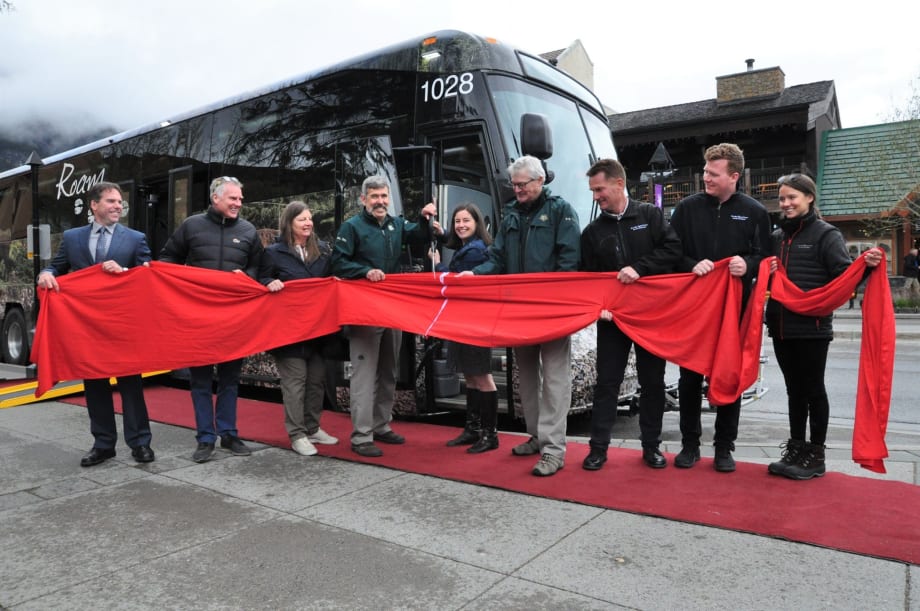
Roam Public Transit celebrates addition of new MCI D45 CRT coaches
The new model features an ergonomically designed spiral entryway, curb-level ramp, and second door that opens into a low-entry vestibule.
May 17, 2019
The new buses continue to help with BVRTSC’s mission of moving people throughout the Bow Valley and Banff National Park too, which has continued support from the commission’s municipal partners.
MCI
1 min to read
The new buses continue to help with BVRTSC’s mission of moving people throughout the Bow Valley and Banff National Park too, which has continued support from the commission’s municipal partners.
MCI
Roam Public Transit introduced four new innovative, accessible MCI D45 CRT LE Commuter Coaches for travel between Lake Louise and Banff.
The new MCI model features an ergonomically designed spiral entryway, curb-level ramp, and second door that opens into a first-of-its-kind, low-entry vestibule offering comfort and access for all passengers. These state of the art vehicles offer a quality of service worthy of the National Parks experience.
“In the design phase of the D45 CRT LE, MCI engaged several volunteers from people with disabilities advocacy groups. They overwhelmingly endorsed the low entry vestibule concept, citing the increased freedom, boarding ease, and the stress-free riding environment,” said VP of Sales for Canada West Region Chad Sadowy.
The new buses continue to help with BVRTSC’s mission of moving people throughout the Bow Valley and Banff National Park too, which has continued support from the commission’s municipal partners.
More Bus
Biz Briefs: New Flyer Delivers in Columbus, Houston, Beep and Freebee Merge, and More
In this edition of Biz Briefs, we spotlight the latest developments shaping the future of mobility.
Read More →
People Movement: Dan Dipert Coaches Adds Third-Generation Leader, Keolis Names New Valley Metro VP/GM, and More
In this edition, we also cover recent appointments and announcements at the Wabtec, SilverRide, HNTB, and more, showcasing the individuals helping to shape the future of transportation.
Read More →
New York MTA Plans Largest Bus Fleet Upgrade in More Than a Decade
The agency is seeking manufacturers for 650 new CNG buses to replace aging vehicles, improve reliability, and advance its broader fleet modernization strategy.
Read More →
Building a Flexible Path to Transit Electrification
John Hroncich discusses BAE Systems’ modular and scalable approach, lessons learned from decades of real-world operations, and how agencies can identify electrification strategies that fit their fleets.
Read More →
Bus Tech Talk: Keeping Transit Technicians Ahead of the Technology Curve
LA Metro’s Obed Mejia discusses technician training, evolving maintenance technology, fleet replacement, and strategies for getting the most out of today’s transit fleets.
Read More →
Biz Briefs: RIPTA Unveils New Frontrunners, Clevland RTA Adds New Siemens, and More
In METRO's latest installment, we take a look at recent news from Siemens, Prevost, Dodge, and more partnerships making headlines across the transportation sector.
Read More →
People Movement: Holly Arnold Joins Transdev and More
In this edition, we also cover recent appointments and announcements at Pace, CamTran, MCI, and more, showcasing the individuals helping to shape the future of transportation.
Read More →
The High Cost of Transit Buses: Industry Leaders Look to Procurement Reform
Transit leaders and policymakers examine how standardized bus designs, streamlined procurement, and predictable funding could help agencies stretch budgets and deliver better service.
Read More →
The Business Voice Behind Public Transportation
As chair of APTA’s Business Members Board of Governors, Ray Melleady explains how more than 850 business members are partnering with transit agencies to advance funding, innovation, and industry-wide collaboration.
Read More →
From Surviving to Thriving: Building Stronger Transportation Organizations
Bus Business Consultants founder Brian Dickson shares lessons on leadership, organizational health, and creating options for long-term success in a changing transportation industry.
Read More →