San Antonio's VIA Expands Tech to Aid Blind, Low-Vision Riders
NaviLens is wayfinding and information technology that helps blind and low-vision riders navigate to a bus stop, access real-time next bus arrival information, and receive directions to the bus when it arrives at the bus stop.
Over the next several months, VIA will install nearly 6,000 multi-colored QR-style coded NaviLens signs at bus stops and other locations.
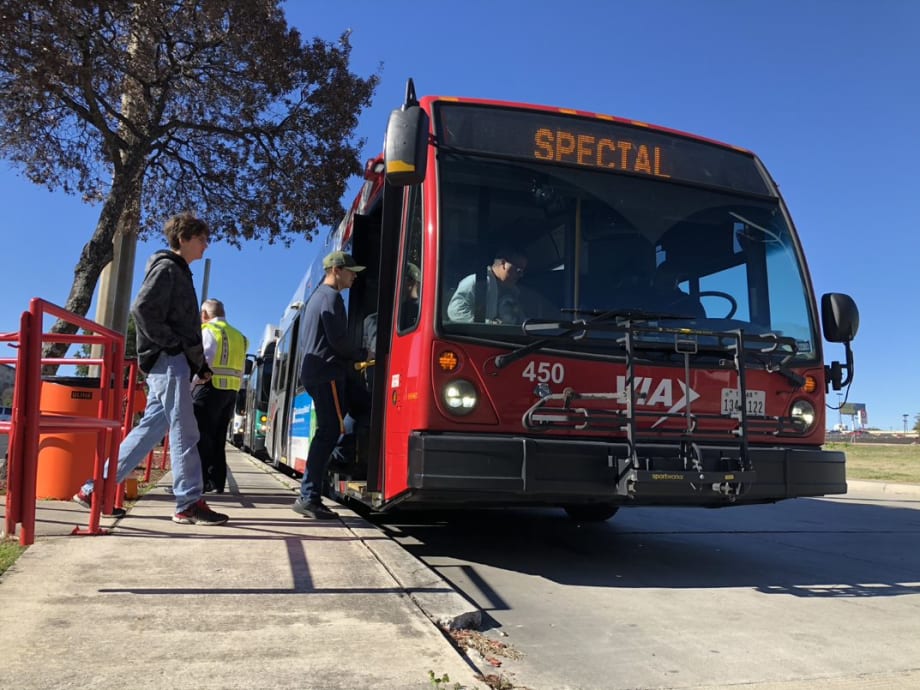
Photo: VIA
2 min to read
San Antonio, Texas’ VIA Metropolitan Transit is installing an innovative system that will assist people who are blind or low-vision in more easily navigating the public transportation system.
NaviLens is wayfinding and information technology that helps blind and low-vision riders navigate to a bus stop, access real-time next bus arrival information, and receive directions to the bus when it arrives at the bus stop with the use of their smart phone (Android or IOS) and the NaviLens apps.
Ad Loading...
The technology can be used in 34 different languages, meaning that non-English speakers can also use the system to more easily use transit here.
NaviLens Coming to VIA
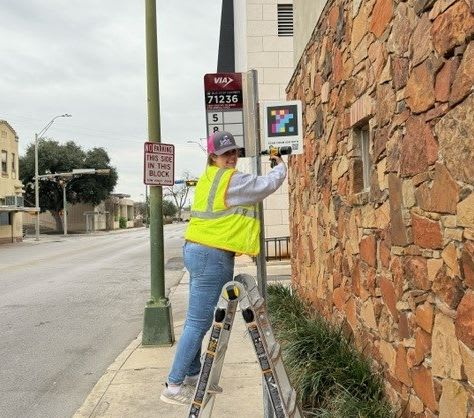
Over the next several months, VIA will install nearly 6,000 multi-colored QR-style coded NaviLens signs at bus stops and other locations.
The NaviLens app automatically detects the signs whenever users’ phones are within 50 feet. Once a sign is detected, the app provides spoken navigation to it and translates the code into an audio message that includes real-time information.
Delivering the NaviLens technology underscores VIA’s continued commitment to investing in technology and innovation aimed at improving accessibility and the customer experience.
The NaviLens technology can be used in 34 different languages, meaning that non-English speakers can also use the system to more easily use transit here.
Photo: VIA
Successfully Tested
VIA previously piloted the NaviLens program at 100 stops with high ridership and near Vibrant Works, formerly known as Lighthouse for the Blind, which partnered with VIA on the project.
Ad Loading...
VIA conducted testing events, inviting members of the public to participate and provide feedback regarding their experience using NaviLens.
With the successful pilot program, the VIA board of trustees voted in January 2023 to implement the technology across the system. U.S. Rep. Joaquin Castro, D-San Antonio, secured congressional funding for systemwide implementation of the technology.
CEO Magnus Friberg discusses Luminator’s shift toward becoming a digital partner, the growing importance of software and interoperability, and how AI can help agencies improve operations and passenger experience.
Reliability-Centered Maintenance helps transit agencies move beyond routine checklists to focus limited resources on the assets and failures that have the greatest impact on safety, reliability, and service.
More than 1,500 buses now feature upgraded technology designed to improve arrival predictions and provide free Wi-Fi, with deployment expected to reach nearly 2,000 buses by the end of 2026.
John Hroncich discusses BAE Systems’ modular and scalable approach, lessons learned from decades of real-world operations, and how agencies can identify electrification strategies that fit their fleets.
In METRO's latest installment, we take a look at recent news from Complete Coach Works, Beep, FlixBus, and more partnerships making headlines across the transportation sector.
What if transit leaders could ask any operational question and get a trusted answer in seconds? Conversational AI is transforming how agencies use their data.
More than $191 million in federal funding will help three transit agencies replace aging rail vehicles and support a new autonomous shuttle service in Chattanooga.
LA Metro’s Obed Mejia discusses technician training, evolving maintenance technology, fleet replacement, and strategies for getting the most out of today’s transit fleets.
In METRO's latest installment, we take a look at recent news from Siemens, Prevost, Dodge, and more partnerships making headlines across the transportation sector.
Pedestrian microsimulation is helping rail planners identify bottlenecks, test station designs, and prepare complex transit hubs for growing passenger volumes.