




RELATED: Industry responds to President's infrastructure plan
Senate Dems unveil $1 trillion infrastructure plan
Funding for the plan would be offset by rolling back two-thirds of the revenue lost in the Republican tax bill by reinstating a top income tax rate of 39.6%, restoring the individual alternative minimum tax, reversing cuts to the estate tax, and raising the corporate income tax from 21% to 25%.
March 8, 2018

2 min to read

WASHINGTON, D.C. — Senate Democrats released a $1 trillion infrastructure plan to fund roads and bridges, public transit, and more that hinges on rolling back the recently passed tax overhaul, The Washington Post reports.
The $1 trillion investment into infrastructure would be offset by rolling back two-thirds of the revenue lost in the Republican tax bill by reinstating a top income tax rate of 39.6%, restoring the individual alternative minimum tax, reversing cuts to the estate tax, and raising the corporate income tax from 21% to 25%. For the full story, click here.
"The American Public Transportation Association (APTA) and its 1,500 public and private members applaud the Senate Democrats' Jobs & Infrastructure Plan for American Workers," said APTA President/CEO Paul P. Skoutelas. “APTA is encouraged that lawmakers on both sides of the aisle have recognized the importance of finding a way to invest in the nation's public transportation infrastructure. Advancing effective legislation to address our infrastructure needs will require support from the Administration and a bipartisan majority in Congress, and we look forward to working with Congress and the Administration on all of the proposals that are put forward."
“We appreciate the Senate Democrats’ proposal to fund transportation and other infrastructure needs. Senate Democrats believe, as we do, that legislation must include robust federal funding to rebuild our American infrastructure,” said Marcia Hale, president of Building America’s Future. “What is urgently needed is a bold vision, and a long-term and sustainably funded plan that is grounded in 21st century solutions for 21st century challenges. We urge Republicans and Democrats in Congress to prioritize infrastructure and work together to develop one bipartisan and strategic bill that provides long-term funding.”
More Management

COTA Launches First Customer Experience Action Plan to Improve Transit Service
The new plan outlines improvements to service reliability, accessibility, communication, and the overall rider experience across Central Ohio's transit system.
Read More →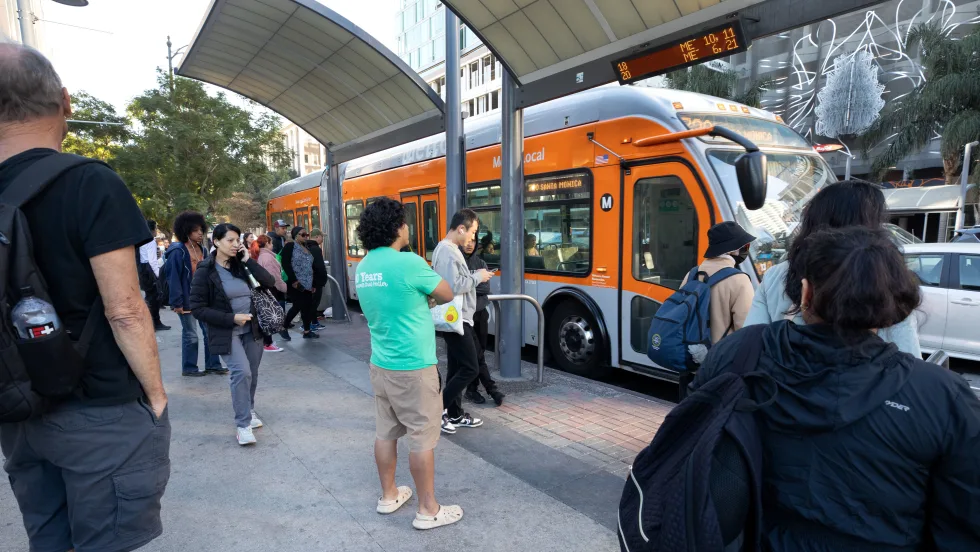
LA Metro September Ridership Climbs 3.9%, Led by Rail Growth
The agency recorded more than 27.2 million boardings, with rail ridership increasing 12.4% year over year and the D Line posting the largest gains.
Read More →
Utilimarc Launches SmartReplace to Optimize Fleet Replacement Decisions
AI-powered SmartReplace helps fleets prioritize vehicle replacements, model budget scenarios, and build more defensible long-term strategies.
Read More →
APTA Honors 2026 Award Winners, Hall of Fame Inductees at TRANSform & EXPO
Innovations in autonomous and zero-emission transportation, standout transit systems, and industry leadership took center stage among this year's honorees.
Read More →
7 Ways to Build a Better Transit Internship Program
Lessons from DRPA/PATCO’s approach to creating a meaningful internship experience—and developing the next generation of transportation professionals.
Read More →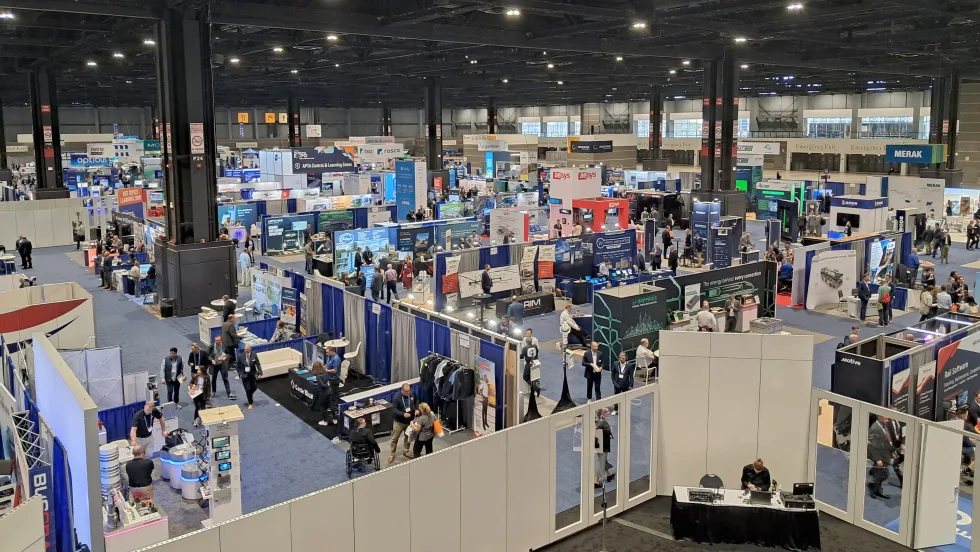
Scenes from APTA TRANSform & EXPO 2026
Transit leaders, manufacturers, and industry professionals gathered in Chicago to explore new technologies, share ideas, and discuss the future of public transportation.
Read More →
Building Stronger Leaders, More Resilient Transit Teams
Dr. Carol Parker Walsh discusses leadership development, employee retention, workplace culture, and preparing transit’s workforce for AI and automation.
Read More →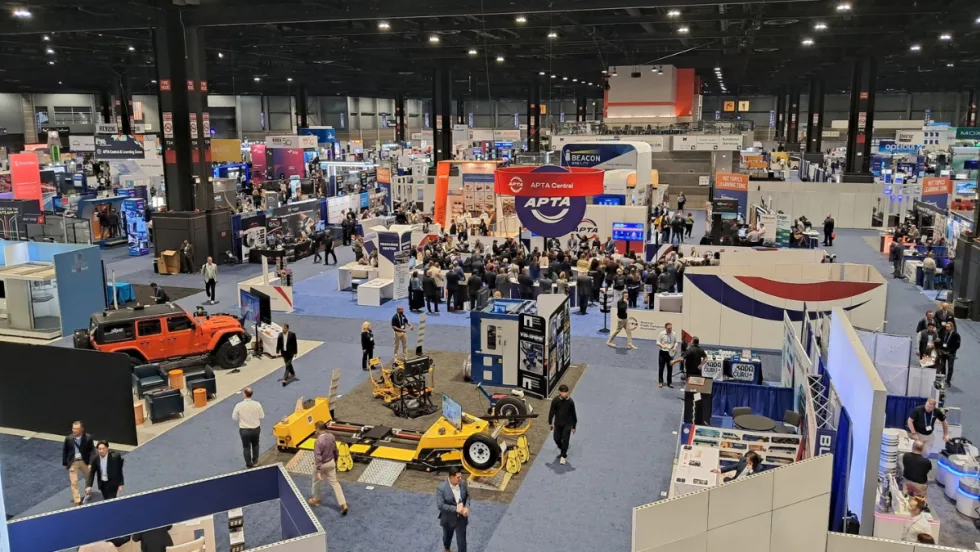
APTA 2026 TRANSform & EXPO Kicks Off in Chicago
After 45 years, APTA returns to Chicago with a focus on next-generation fleets, AI, connected transit networks, and the funding strategies shaping public transportation’s future.
Read More →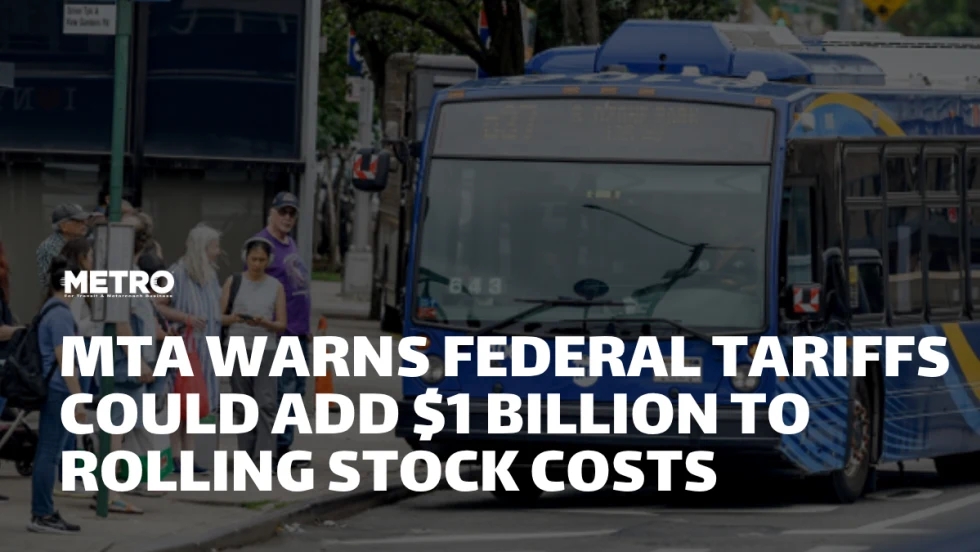
New York MTA Warns Federal Tariffs Could Add $1 Billion to Rolling Stock Costs
The agency said tariffs on specialized imported components could reduce the purchasing power of its $23 billion investment in new subway cars, railcars, and buses.
Read More →
From the Show Floor: What Happened at APTA TRANSform & EXPO 2026
See the latest product launches, partnerships, technology updates, and transit industry announcements from APTA TRANSform & EXPO in Chicago.
Read More →