




Charged Up: Propane's New Mission? Mobile EV Charging
Shell Completes Acquisition of Volta
The acquisition enables Shell to scale its existing network and offerings to better participate in the long-term EV charging market opportunity.
March 31, 2023
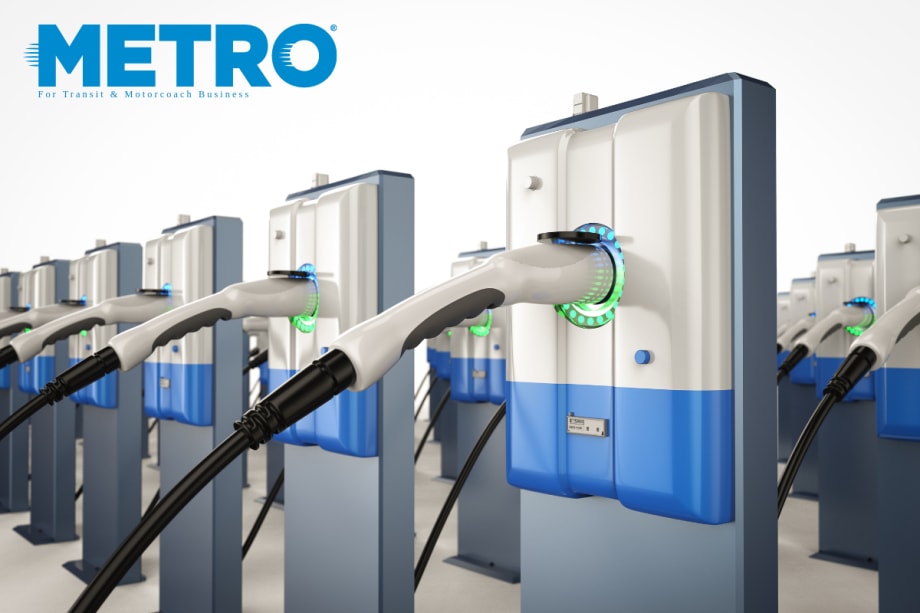
The closing of the transaction occurred after receiving various regulatory clearances and approval from Volta’s stockholders.
Photo: Canva/METRO
2 min to read
Shell USA, Inc. has completed the previously announced acquisition of Volta Inc. (Volta) in an all-cash transaction valued at approximately USD $169 million, according to the company's news release.
With this acquisition, Shell now owns and operates one of the largest public electric vehicle (EV) charging networks in the U.S.
The closing of the transaction occurred after receiving various regulatory clearances and approval from Volta’s stockholders.
Volta provides Shell with an existing public charging network of over 3,000 charge points at destination sites (shopping centers, grocery stores, pharmacies, etc.) across 31 U.S. states and territories, a development pipeline of more than 3,400 additional charge points, and capabilities to continue developing, operating, and monetizing EV charging infrastructure.
“We want to make charging as convenient as possible for our customers,” said István Kapitány, executive VP of Shell Mobility. “As demand for EV charging continues to grow, destination sites will play a key role in meeting people where they spend a great deal of time: the store, the gym, and everywhere in between. Beyond providing a charging service, Volta specializes in generating advertising revenues from screens embedded into the charge point, adding a source of non-fuel revenue from sites both in the U.S. and globally.”
The acquisition enables Shell to scale its existing network and offerings to better participate in the long-term EV charging market opportunity within the U.S.
More Zero Emissions
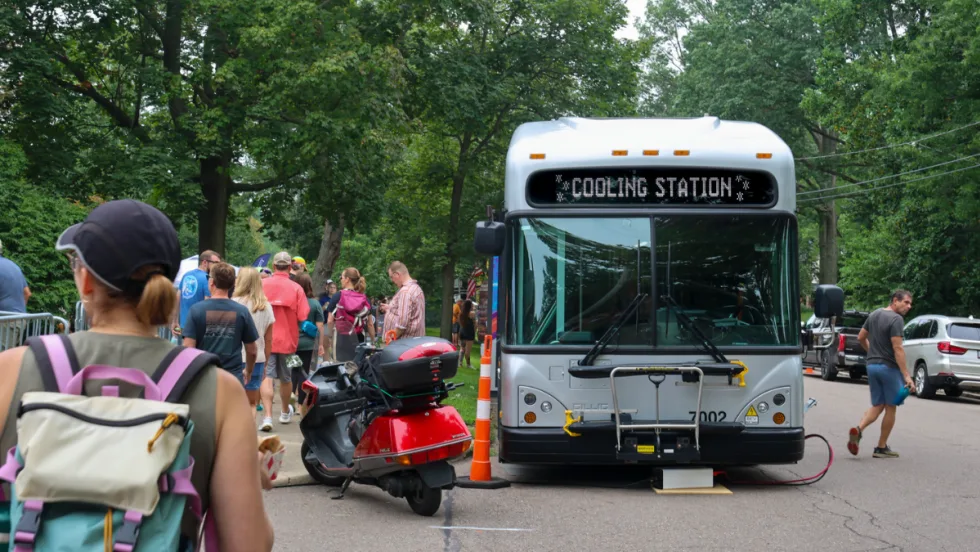
Ohio’s METRO RTA Turns Electric Buses into Mobile Power Sources at PorchROKR
See how three Gillig battery-electric buses powered festival stages while the agency’s new Park & Ride service carried approximately 1,000 attendees, demonstrating another potential use for transit agencies’ electric fleets.
Read More →
CALSTART and Forth Combine to Form Catalyst Mobility
The new name represents a renewed vision for the nonprofit focused on advancing clean, equitable, and affordable transportation solutions that move people and goods.
Read More →
Building a Flexible Path to Transit Electrification
John Hroncich discusses BAE Systems’ modular and scalable approach, lessons learned from decades of real-world operations, and how agencies can identify electrification strategies that fit their fleets.
Read More →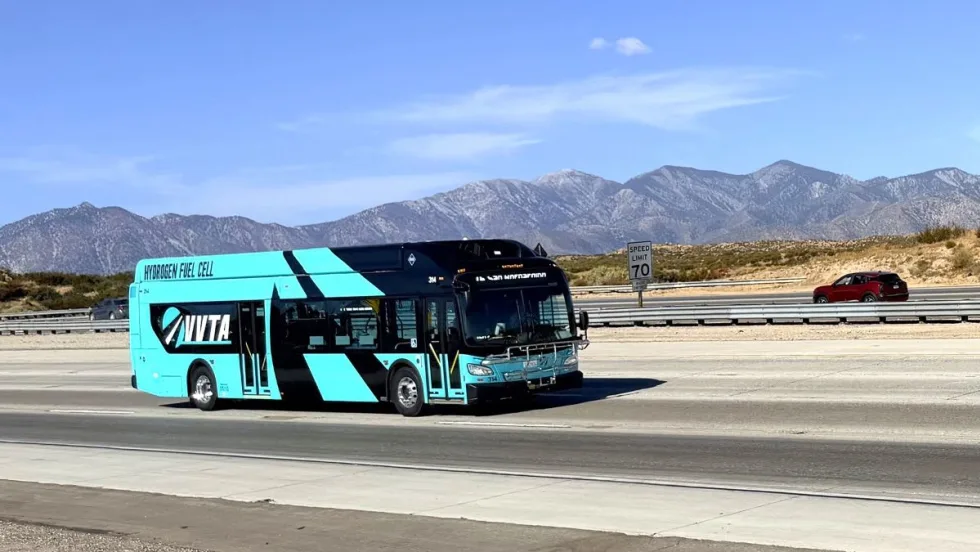
California's VVTA Begins Phased Rollout of Hydrogen Fuel Cell Buses
The agency is introducing 13 zero-emission buses into revenue service while evaluating performance across its urban, rural, and long-distance routes.
Read More →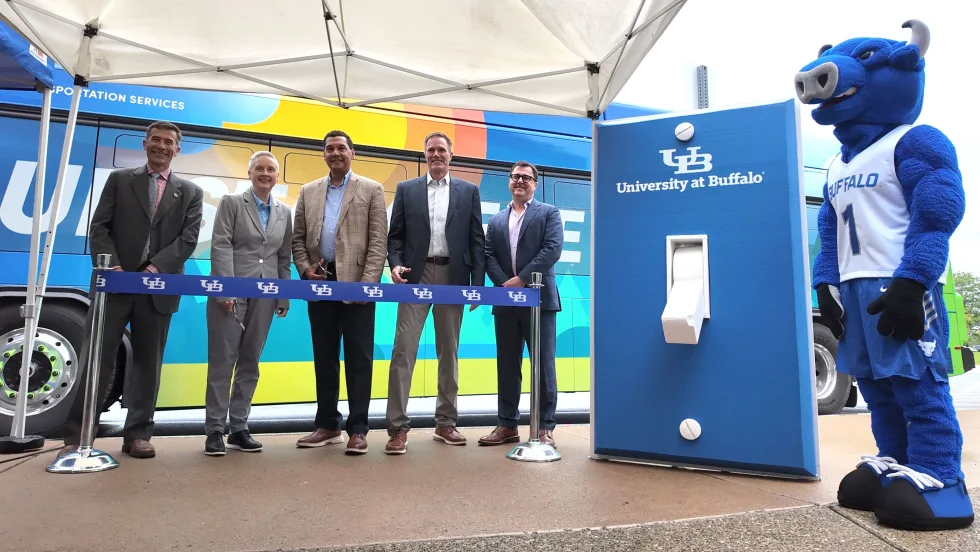
Inside Look: University at Buffalo Puts First 8 Electric Buses Into Stampede Service
UB, transportation solutions provider WeDriveU, and fleet electrification specialist Zenobē marked the deployment in the presence of students, university administrators, and local officials.
Read More →
Biz Briefs: OCTA Taps Clean Energy for Hydrogen Station, Stadler to Supply Via Rail Vehicles, and More
From manufacturers and suppliers to transit agencies and motorcoach operators, these updates offer a snapshot of the projects, partnerships and business moves driving the industry forward.
Read More →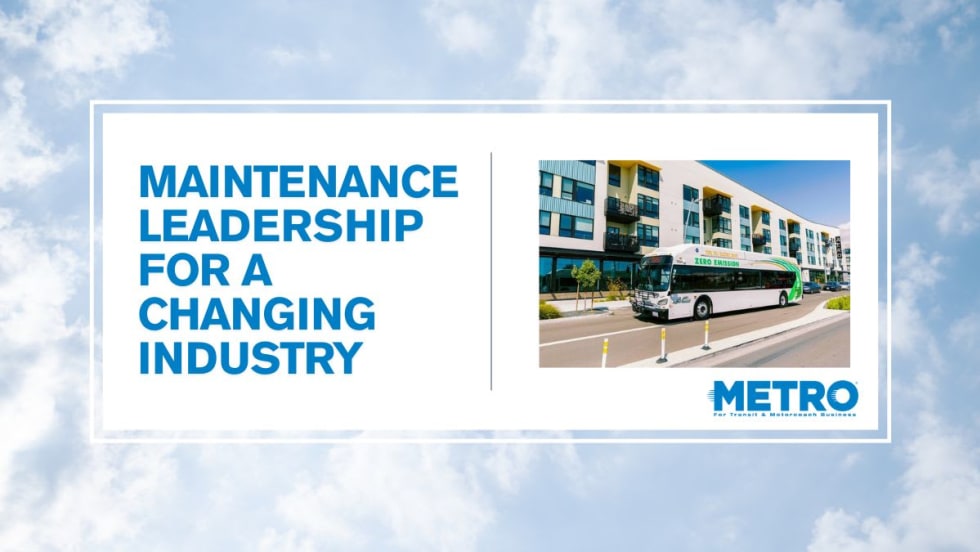
AC Transit’s Cecil Blandon on Building the Next Generation of Transit Maintenance Leaders
The agency’s maintenance chief discusses leadership, workforce development, zero-emission technology, and preparing technicians for the future of public transportation.
Read More →
CTDOT Taps STV for Electric Bus Facility Design
The firm will work with CTDOT and RVT to define the facility layout, operational requirements, and long-term flexibility for RVT’s growing electric fleet.
Read More →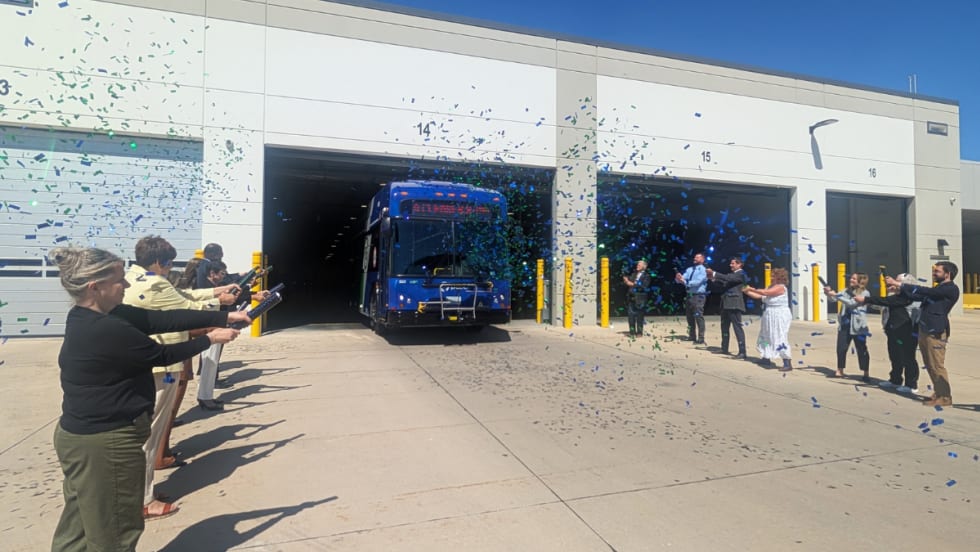
Chicago’s Pace Deploys 24 Hybrid-Electric Buses in Will County
The new buses reduce emissions and fuel consumption while advancing the agency's long-term goal of transitioning to a fully zero-emission fleet.
Read More →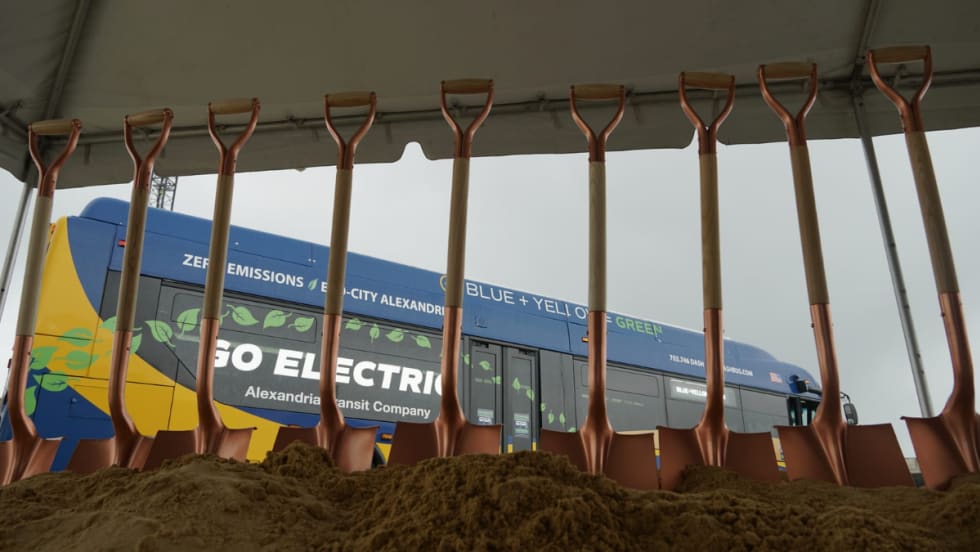
DASH Breaks Ground on First On-Route Electric Bus Chargers in D.C. Region
The fast-charging infrastructure will help extend electric bus range, improve fleet utilization, and support DASH's goal of transitioning to a fully zero-emission fleet.
Read More →