



Sound Transit Extends Line 2 to Downtown Redmond
The 3.4-mile extension, which includes a 1,400-space parking garage at Marymoor, marks a significant step forward in the region’s decades-long vision to unite communities through sustainable transit.

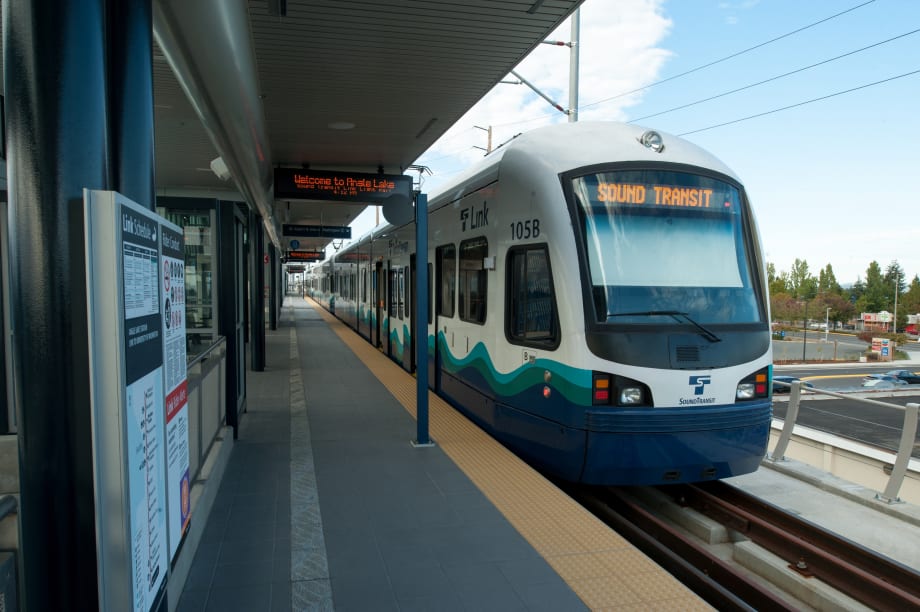
Voters approved the Downtown Redmond extension in 2016 as part of ST3.
Photo: Sound Transit
Over the weekend, Seattle's Sound Transit launched its latest expansion of the 2 Line.
The 3.4-mile extension, which includes a 1,400-space parking garage at Marymoor, marks a significant step forward in the region’s decades-long vision to unite communities through sustainable transit.
The new segment is the first Sound Transit 3 (ST3) project to open and the fourth major expansion in 18 months. It follows the Lynnwood Link extension last August, the initial Eastside 2 Line segment in April 2023, and the Hilltop T Line in Tacoma that debuted last September.
Two more openings are planned over the next year, including completing the Eastside’s 2 Line and a 1 Line extension to Federal Way.
“With the opening of Downtown Redmond Link, Sound Transit now operates 46 miles of light rail across all three counties we serve,” said Dave Somers, Sound Transit board chair. “This system creates more connections and economic opportunities for people who live, work in, and visit our region.”
A Vision Decades in the Making
Voters approved the Downtown Redmond extension in 2016 as part of ST3.
The opening was hailed as a significant win for sustainability, equity, and regional growth from elected officials to labor leaders and tech executives.
U.S. Sen. Maria Cantwell noted, "Redmond builds half the world’s satellites — now it’s also building great transportation systems to move people to where they work, play, and innovate.”
The new Marymoor Village Station, located off SR 520, offers access to Marymoor Park and includes parking and Metro bus connections. The Downtown Redmond Station, the terminus of the 2 Line, sits near parks, retail, and the Sammamish River Trail and has access to multiple Metro routes, including the RapidRide B Line.
Trains will run every 10 minutes from 5:30 a.m. to 9:30 p.m., seven days a week, connecting passengers to South Bellevue and the regional transit network. Bike parking, seamless transfers, and proximity to the Eastrail corridor reinforce the extension’s multimodal focus.
Delivered on Time, On Budget, and with Purpose
The project, led by Stacy Witbeck/Kuney JV, remained on schedule and within its $1.5 billion budget. Jacobs and Hatch provided design leadership, and Mass Electric and Modern Rail Systems integrated systems. WSP served as the owner’s representative, as well as program manager for the design-build project.
The new stations reflect Sound Transit’s commitment to design excellence, engineering innovation, and community-driven transit planning.
As Sound Transit eyes future openings and system-wide integration, the agency said the Downtown Redmond Link Extension stands as a model for how public transportation can reshape cities, support economic growth, and meet the moment on climate and equity.
More Rail

New York MTA Advances Final Contract for Second Avenue Subway Expansion
Contract Four is the largest in the Second Avenue Subway Phase 2 project and includes construction of station infrastructure, tracks, and signals for the subway expansion, MTA officials said. Work on Contract Four will begin in 2027.
Read More →
San Diego MTS Breaks Monthly Trolley Ridership Record
Agency officials said July’s ridership indicates MTS’s continued recovery from the pandemic.
Read More →
Report Examines NJ TRANSIT Reliability, Funding Challenges
The Garden State Initiative analysis examines the roles of Amtrak infrastructure, fleet management, and agency operations while recommending a more performance-based approach to improving reliability.
Read More →
Stadler, CapMetro Sign Long-Term Rail Fleet Support Agreement
Beginning in 2027, Stadler will provide on-site technical expertise, spare parts support, training, and obsolescence management to help extend the reliability and longevity of CapMetro’s GTW fleet.
Read More →
Biz Briefs: Alstom Lands Canadian Contract, LYT to Supply California TSP, and More
In METRO's latest installment, we take a look at recent news from Complete Coach Works, Beep, FlixBus, and more partnerships making headlines across the transportation sector.
Read More →
CATS Gold Line Marks 5 Years of Service, 2.8M Passenger Trips
With a six-mile expansion planned, the Charlotte streetcar is positioned to connect more neighborhoods and major transit hubs across the region.
Read More →
Why Simulating Pedestrian Movement Has Become Essential for Modern Rail Stations
Pedestrian microsimulation is helping rail planners identify bottlenecks, test station designs, and prepare complex transit hubs for growing passenger volumes.
Read More →
Amtrak Begins Major Construction at New York’s Sunnyside Yard
The new maintenance facility will support Amtrak’s Airo trainsets while improving maintenance efficiency and turnaround times in New York.
Read More →
Chicago Leaders Unveil Plans for O’Hare Airport Express Train
The privately developed project would offer a 15-minute trip between downtown and O’Hare’s Terminal 2, with trains operating every 15 minutes on a dedicated track. The service would use battery-electric trains and three existing freight rail rights-of-way.
Read More →
OCTA Maps Out 30-Year Strategy to Protect Coastal Rail Corridor
The draft feasibility report identifies strategies to protect the coastal rail line for decades as the agency continues near-term stabilization and sand placement efforts.
Read More →