




Stantec Selected to Lead Construction Management for Blue Line Bus Rapid Transit
Stantec Construction Engineering, Inspection Services Extended Through 2026
The $119 million contract is an extension of existing construction and engineering services Stantec is providing to HART and will run through the end of 2026.
June 17, 2022
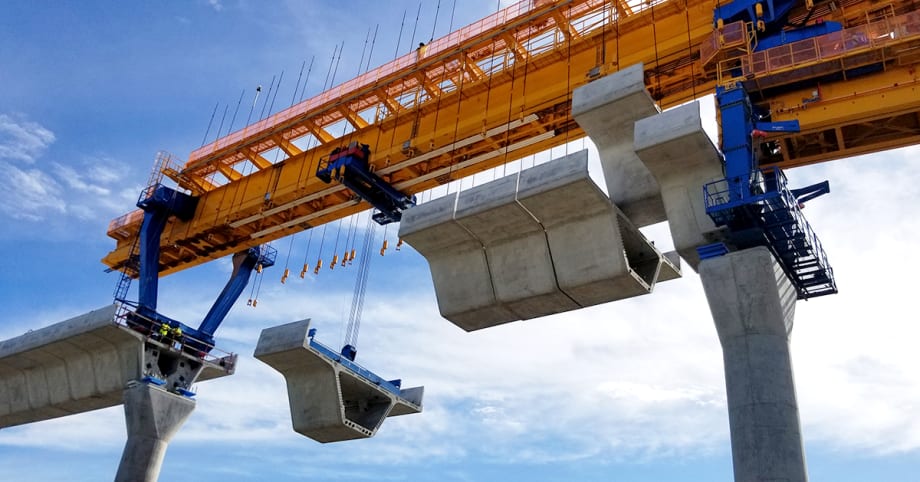
HART’s light rail system is fully electric and will be the first driverless light rail system in the U.S. by connecting several transit and retail hubs on the island of Oahu.
Photo: HART
3 min to read
Stantec has been selected to continue construction engineering and inspection services for the east section of Honolulu Authority for Rapid Transportation’s (HART) driverless and electric light rail project.
The $119 million contract is an extension of existing construction and engineering services Stantec is providing to HART and will run through the end of 2026, with the possibility of a five-year extension to expected project completion in 2031. Stantec staff will assist with construction management and successful project delivery for HART’s large construction projects, including the light rail guideway, rail stations, and utility relocation.
“HART light rail is one of the most iconic transit projects in the United States, and a game-changer for transportation in Hawaii,” said Brian Norris, Stantec’s project manager and transportation business line leader. “We are extremely proud of the work we are doing, and this effort is essential to delivering the project for the people of Hawaii. Project management and construction management are growth areas for our transportation business, and we continue to provide this expertise across markets in North America.”
HART’s light rail system is fully electric and will be the first driverless light rail system in the U.S. by connecting several transit and retail hubs on the island of Oahu. The 20-mile, 21-station elevated system will connect West Oahu with the Honolulu International Airport, downtown Honolulu, and the Ala Moana Center.
Honolulu’s population is expected to grow 10% by 2045. HART light rail will support that growth by connecting people with jobs, healthcare, and education; connecting visitors to beaches, hotels, and attractions; and reducing congestion of surface traffic. At the same time, HART light rail will contribute to Hawaii’s climate goals by reducing transportation carbon emissions.
“Light rail is an essential part of improving transportation in Hawaii and reaching our climate goals,” said Lori Kahikina, executive director/CEO, HART. “Providing a connecting spine through downtown, important transit centers, and the airport will vastly improve our transit system. Stantec has been with us from the early days, and we value their expertise and longstanding service in delivering the project.”
Stantec’s work on this fully electric system also supports the company’s commitment to the United Nations Sustainable Development Goals, namely industry, innovation, and infrastructure (SDG 9); sustainable cities and communities (SDG 11); and climate action (SDG 13).
Stantec has seen exponential growth in Hawaii since work began on HART. From a single employee in 2015, the firm now has more than 40 full-time employees on the Islands. In addition to its work on the HART project, the team also supports large-scale projects in the community development, alternative energy, environmental services, buildings, water, and transportation sectors.
With this new contract underway and other projects ramping up, the Honolulu office is set to continue its expansion through continued support of City and County of Honolulu, Hawaii Department of Transportation, and Naval Facilities Engineering Systems Command. This includes additional transportation projects throughout the state related to ports and marine, dry docks, airports, and local infrastructure.
More Management

METRO Opens Submissions for 2026 Motorcoach Awards
Nominations are now being accepted for METRO Magazine’s Operator of the Year and Innovative Operator of the Year awards.
Read More →
New York MTA Advances Final Contract for Second Avenue Subway Expansion
Contract Four is the largest in the Second Avenue Subway Phase 2 project and includes construction of station infrastructure, tracks, and signals for the subway expansion, MTA officials said. Work on Contract Four will begin in 2027.
Read More →
Transit Agencies Highlight Safety Gains at National Summit
Leaders from 15 major transit systems shared crime-reduction results and safety initiatives while discussing the role of continued federal support.
Read More →

NITA Names New Leadership, Expands Reduced-Fare Program at First Board Meeting
The new regional transit authority appointed its first board chair and interim executive director while extending reduced fares across CTA, Metra, and Pace for eligible riders.
Read More →
Beyond the Checklist: A Structured Approach to Transit Maintenance
Reliability-Centered Maintenance helps transit agencies move beyond routine checklists to focus limited resources on the assets and failures that have the greatest impact on safety, reliability, and service.
Read More →
APTA 2026 Nominating Committee Selects Leadership Slate, Names Chair and Vice Chair Nominees
Leadership changes will help shape the association’s priorities and its representation of the transportation industry during the 2026–2027 term.
Read More →
DART Launches Major Security, Fare Enforcement Initiative
The 90-day demonstration will deploy coordinated security teams at five light rail stations while testing controlled access and gathering data to guide future investments.
Read More →
Sponsored•September 9, 2026
Advancing Fare Collection Through Technology and Innovation
Learn about delivering 1300 gates at 91 stations while managing fare evasion. Explore the large scale deployment, solution customization and real-world results that affect the region. Prepare for deployment in your region now.
Read More →
Game Day in Motion: Moving Millions During the 2026 World Cup
Between packed transit stations and team motorcoaches, see how agencies and operators across North America tackled the transportation demands of the 2026 FIFA World Cup.
Read More →
Surface Transportation Extension Averts Shutdown, Leaves Transit Funding Gap
The stopgap keeps federal transportation programs moving, but missing advance funding could complicate the transit and rail projects agencies are planning next.
Read More →