




Consultant Q&A: Stantec's Al-Tahan on Evolution of Mobility, Design-Build
Stantec to Develop Resilience Improvement Plan
Stantec will help the Kansas Department of Transportation identify climate-related vulnerabilities.
June 2, 2023
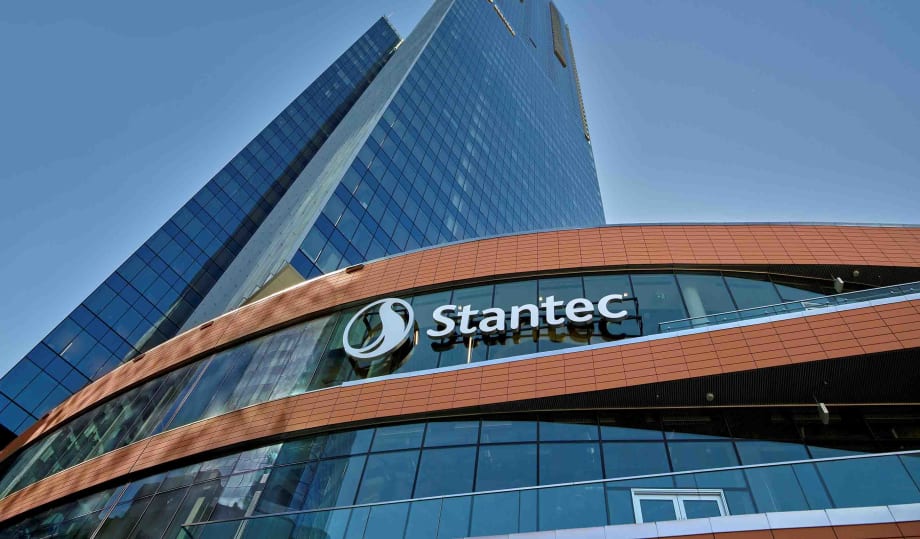
Stantec, with partners PEC and Hg Consult, Inc., will develop a public engagement approach that reaches audiences through public webinars and meetings.
Credit:
Photo; Stantec
2 min to read
Stantec announced it was selected by the Kansas Department of Transportation (KDOT) to develop a Resilience Improvement Plan to help the agency identify climate-related vulnerabilities and prioritize solutions across its multi-modal transportation network while maximizing funding from the Bipartisan Infrastructure Law (BIL).
Fulfilling the BIL
To fulfill this purpose, the BIL requires each state to use a portion of PROTECT funding for resilience-related planning activities, such as developing a Resilience Improvement Plan.
By developing this plan and incorporating it into the state’s long-range transportation plan, Kansas will be eligible to reduce its federal/state cost share from 80/20 to 90/10, keeping an additional $7.2 million in the state.
“The Resilience Improvement Plan development process, which includes a vulnerability assessment, will be a great opportunity to get all of our partners in infrastructure together to determine critical investments that will keep Kansas going during catastrophic events,” said David Schwartz, KDOT project manager for the Resilience Improvement Plan. “Being able to leverage federal dollars is a huge incentive to take a hard look at our systems.”
Stantec's Role in the Plan
Stantec, with partners PEC and Hg Consult, Inc., will develop a public engagement approach that reaches audiences through public webinars and meetings, a project website, social media content, and a survey of key stakeholders.
Stantec will also conduct a risk-based vulnerability assessment using GIS with a 100-meter grid to identify assets in the state’s multi-modal transportation system that are vulnerable to natural hazards, particularly those influenced by climate change.
“Whether a spring tornado, summer flood, fall prairie fire or winter ice storm, Kansans are predisposed to be resilient by the climate in which they live,” said Rebecca Leitschuh, project manager at Stantec. “While we can’t predict the weather, we can help better prepare communities across the state for natural hazards through the development of this Resilience Improvement Plan. Our two-phased approach includes a risk-based assessment and an implementation plan that is meaningful, understandable, actionable, and replicable.”
More Zero Emissions
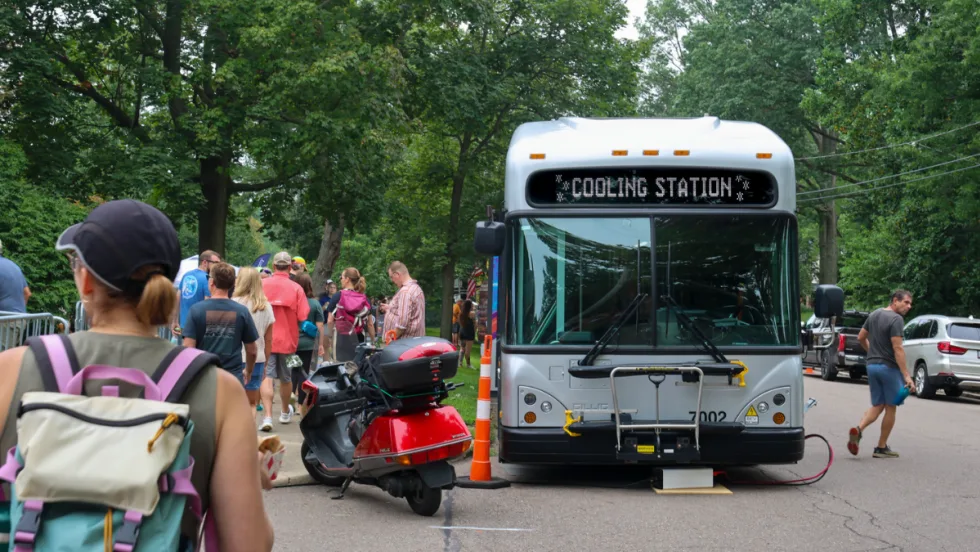
Ohio’s METRO RTA Turns Electric Buses into Mobile Power Sources at PorchROKR
See how three Gillig battery-electric buses powered festival stages while the agency’s new Park & Ride service carried approximately 1,000 attendees, demonstrating another potential use for transit agencies’ electric fleets.
Read More →
CALSTART and Forth Combine to Form Catalyst Mobility
The new name represents a renewed vision for the nonprofit focused on advancing clean, equitable, and affordable transportation solutions that move people and goods.
Read More →
Building a Flexible Path to Transit Electrification
John Hroncich discusses BAE Systems’ modular and scalable approach, lessons learned from decades of real-world operations, and how agencies can identify electrification strategies that fit their fleets.
Read More →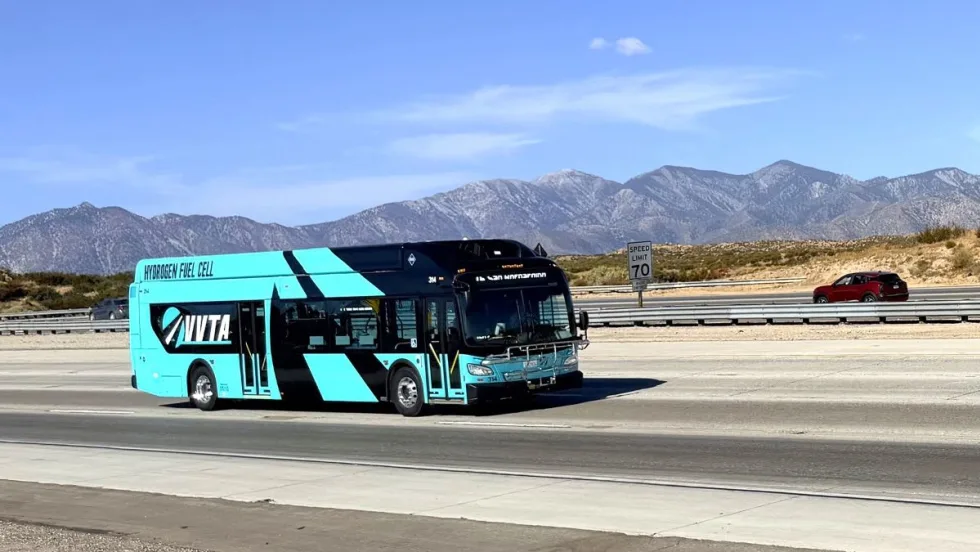
California's VVTA Begins Phased Rollout of Hydrogen Fuel Cell Buses
The agency is introducing 13 zero-emission buses into revenue service while evaluating performance across its urban, rural, and long-distance routes.
Read More →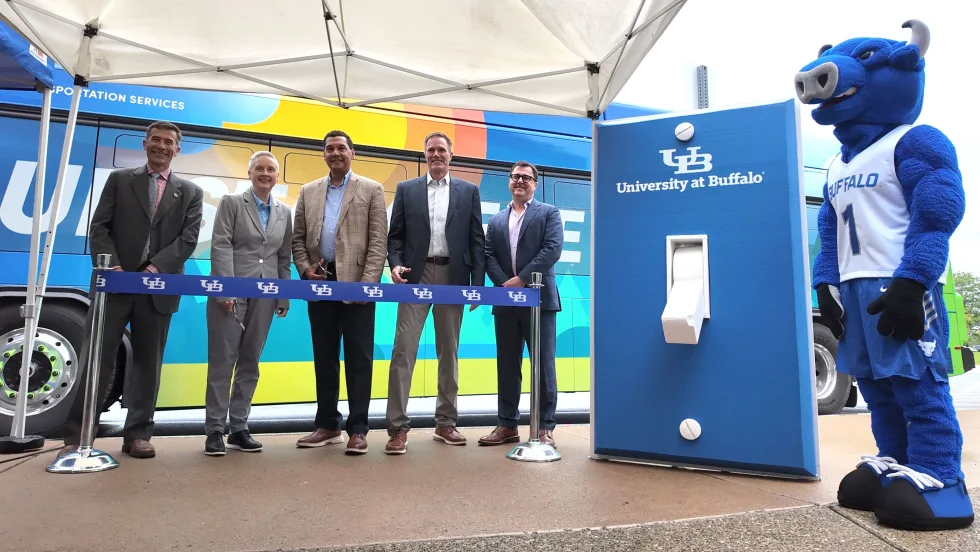
Inside Look: University at Buffalo Puts First 8 Electric Buses Into Stampede Service
UB, transportation solutions provider WeDriveU, and fleet electrification specialist Zenobē marked the deployment in the presence of students, university administrators, and local officials.
Read More →
Biz Briefs: OCTA Taps Clean Energy for Hydrogen Station, Stadler to Supply Via Rail Vehicles, and More
From manufacturers and suppliers to transit agencies and motorcoach operators, these updates offer a snapshot of the projects, partnerships and business moves driving the industry forward.
Read More →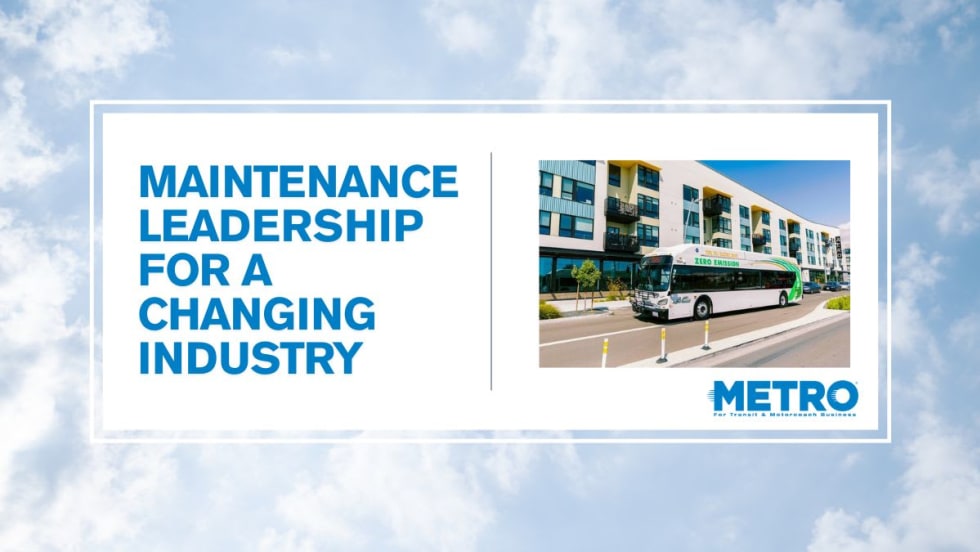
AC Transit’s Cecil Blandon on Building the Next Generation of Transit Maintenance Leaders
The agency’s maintenance chief discusses leadership, workforce development, zero-emission technology, and preparing technicians for the future of public transportation.
Read More →
CTDOT Taps STV for Electric Bus Facility Design
The firm will work with CTDOT and RVT to define the facility layout, operational requirements, and long-term flexibility for RVT’s growing electric fleet.
Read More →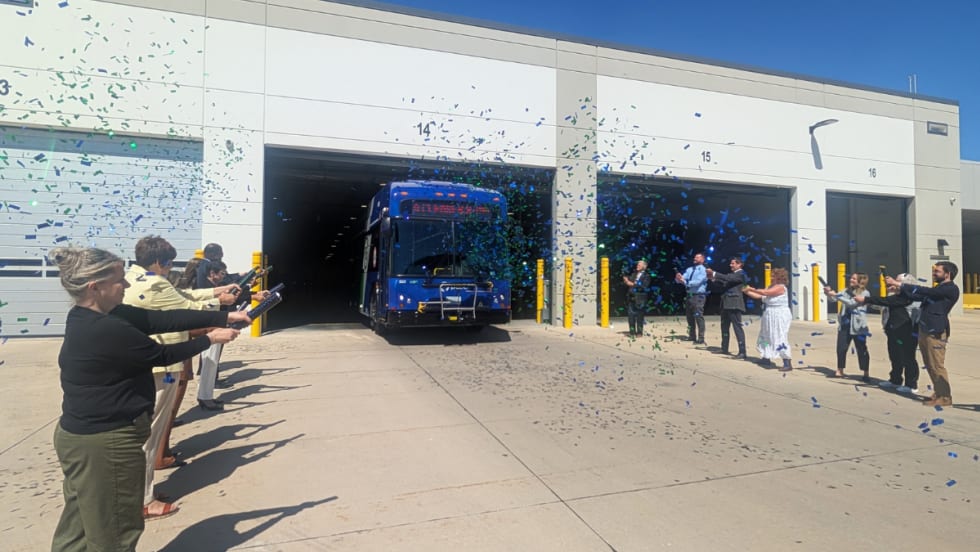
Chicago’s Pace Deploys 24 Hybrid-Electric Buses in Will County
The new buses reduce emissions and fuel consumption while advancing the agency's long-term goal of transitioning to a fully zero-emission fleet.
Read More →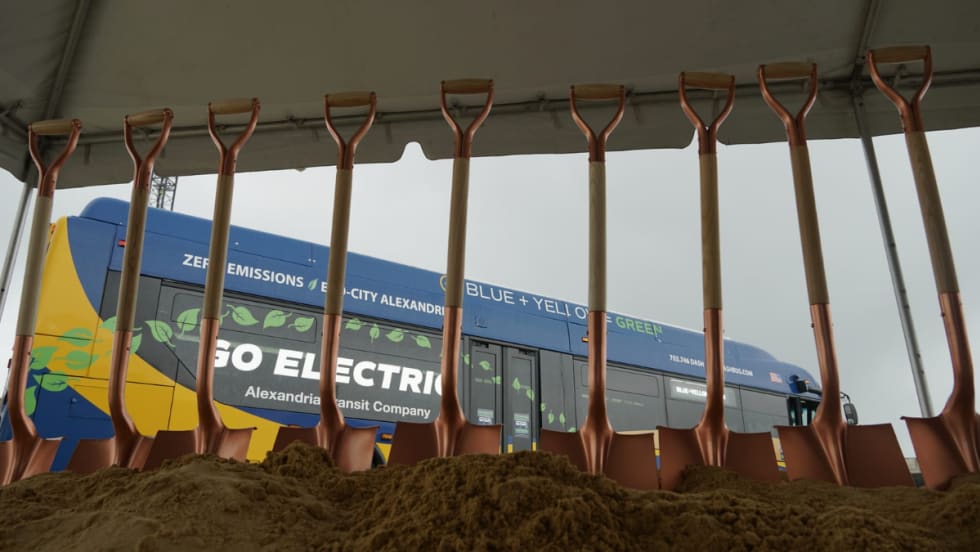
DASH Breaks Ground on First On-Route Electric Bus Chargers in D.C. Region
The fast-charging infrastructure will help extend electric bus range, improve fleet utilization, and support DASH's goal of transitioning to a fully zero-emission fleet.
Read More →