



STV Supports Montgomery County's ZEB Transition Plan
Developed in partnership with Montgomery County Department of Transportation, the master plan identifies the county’s existing infrastructure assets, technology options, and potential federal and state funding opportunities for MCDOT to pursue.

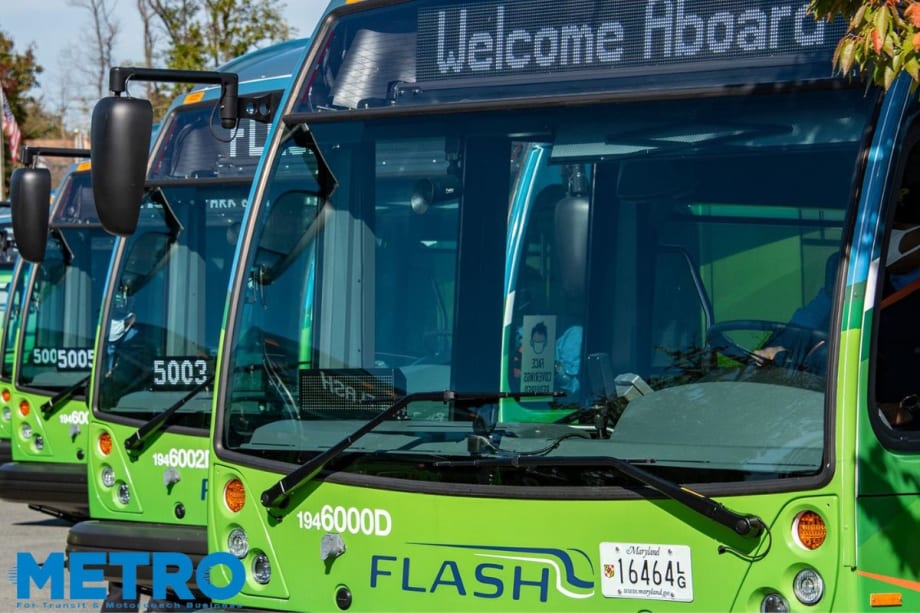
The master plan, which was jointly released by MCDOT and MCDGS, aligns with the county’s ambitious climate action plan to reduce greenhouse gas emissions by 100% by 2035.
Photo: MCDOT/STV/Canva
STV celebrated the release of the Zero Emission Bus Transition Plan it prepared in collaboration with Montgomery County, Md., which maps out how the county will convert its transit fleet of nearly 400 Ride On buses to zero-emission vehicles by 2035.
Developed in partnership with Montgomery County Department of Transportation (MCDOT), the master plan identifies the county’s existing infrastructure assets, technology options, and potential federal and state funding opportunities for MCDOT to pursue.
Montgomery County’s Zero-Emission Plan
The master plan, which was jointly released by MCDOT and Montgomery County Department of General Services (MCDGS), aligns with the county’s ambitious climate action plan to reduce greenhouse gas emissions by 100% by 2035.
The county had previously identified that about 42% of carbon emissions originate from the transportation sector.
In preparing the master plan, STV and its team of nationally renowned zero-emissions experts guided the county through its transit fleet transition by laying out what infrastructure is needed to support maintenance and operations, including vehicles, depots and facilities and fueling options.
The plan is intentionally flexible to accommodate emerging technology and relies heavily on state and federal grants that MCDOT has so far been successful in receiving, including more than $30 million for environmentally friendly transportation solutions over the past two years.
Next Steps
Following the master plan’s release, MCDOT and MCDGS are moving forward with finding innovative ways to develop clean energy charging infrastructure to support the zero-emission bus fleet.
In October 2022, the county unveiled the nation’s largest solar-powered microgrid for charging of public buses at the Brookville bus depot in Silver Spring, Md.
MCDGS is now heading up the implementation of an even larger microgrid that will be breaking ground at the Gaithersburg bus depot later this year to power a future clean hydrogen bus project and provide additional charging infrastructure for electric buses.
More Zero Emissions
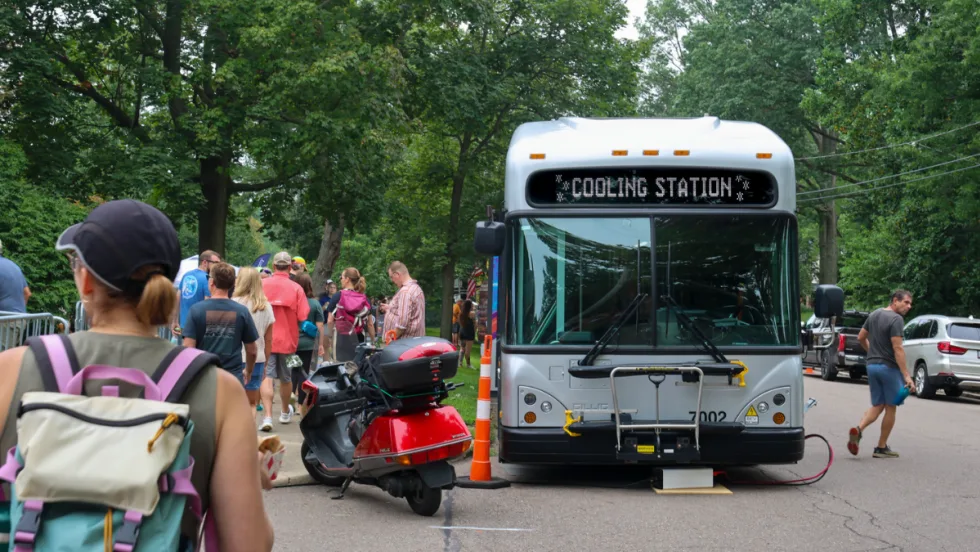
Ohio’s METRO RTA Turns Electric Buses into Mobile Power Sources at PorchROKR
See how three Gillig battery-electric buses powered festival stages while the agency’s new Park & Ride service carried approximately 1,000 attendees, demonstrating another potential use for transit agencies’ electric fleets.
Read More →
CALSTART and Forth Combine to Form Catalyst Mobility
The new name represents a renewed vision for the nonprofit focused on advancing clean, equitable, and affordable transportation solutions that move people and goods.
Read More →
Building a Flexible Path to Transit Electrification
John Hroncich discusses BAE Systems’ modular and scalable approach, lessons learned from decades of real-world operations, and how agencies can identify electrification strategies that fit their fleets.
Read More →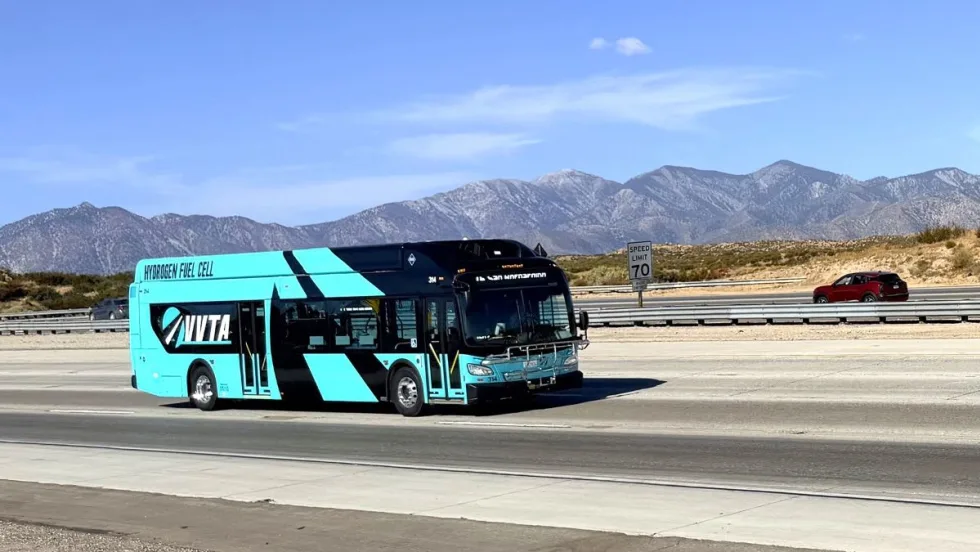
California's VVTA Begins Phased Rollout of Hydrogen Fuel Cell Buses
The agency is introducing 13 zero-emission buses into revenue service while evaluating performance across its urban, rural, and long-distance routes.
Read More →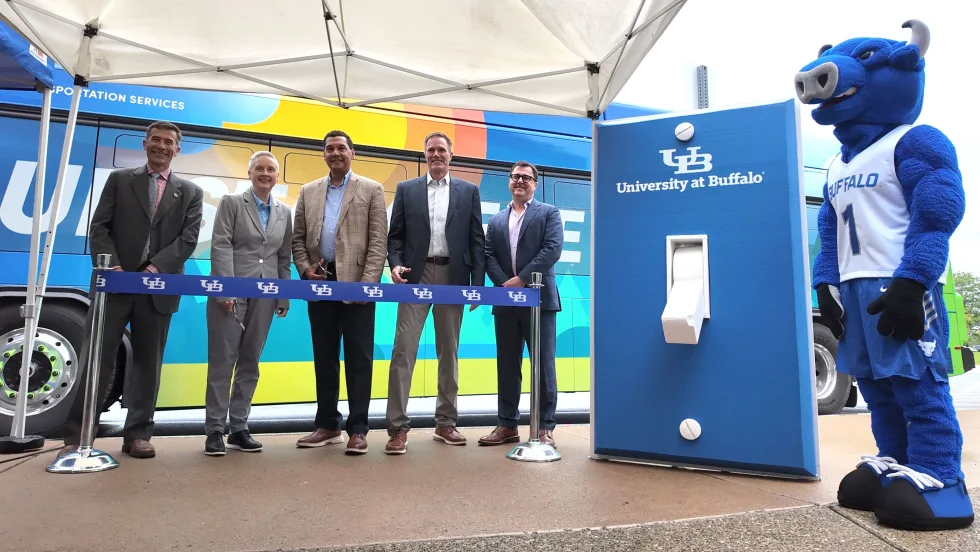
Inside Look: University at Buffalo Puts First 8 Electric Buses Into Stampede Service
UB, transportation solutions provider WeDriveU, and fleet electrification specialist Zenobē marked the deployment in the presence of students, university administrators, and local officials.
Read More →
Biz Briefs: OCTA Taps Clean Energy for Hydrogen Station, Stadler to Supply Via Rail Vehicles, and More
From manufacturers and suppliers to transit agencies and motorcoach operators, these updates offer a snapshot of the projects, partnerships and business moves driving the industry forward.
Read More →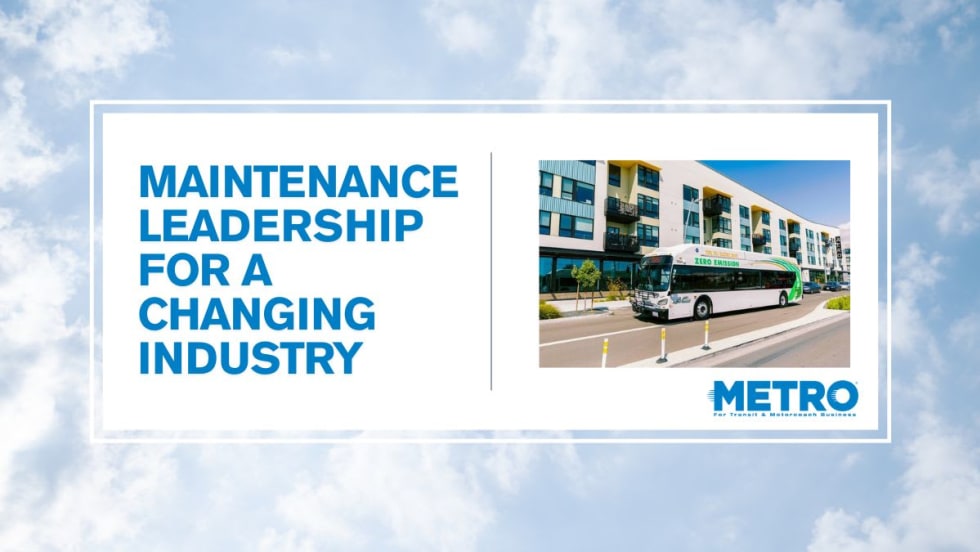
AC Transit’s Cecil Blandon on Building the Next Generation of Transit Maintenance Leaders
The agency’s maintenance chief discusses leadership, workforce development, zero-emission technology, and preparing technicians for the future of public transportation.
Read More →
CTDOT Taps STV for Electric Bus Facility Design
The firm will work with CTDOT and RVT to define the facility layout, operational requirements, and long-term flexibility for RVT’s growing electric fleet.
Read More →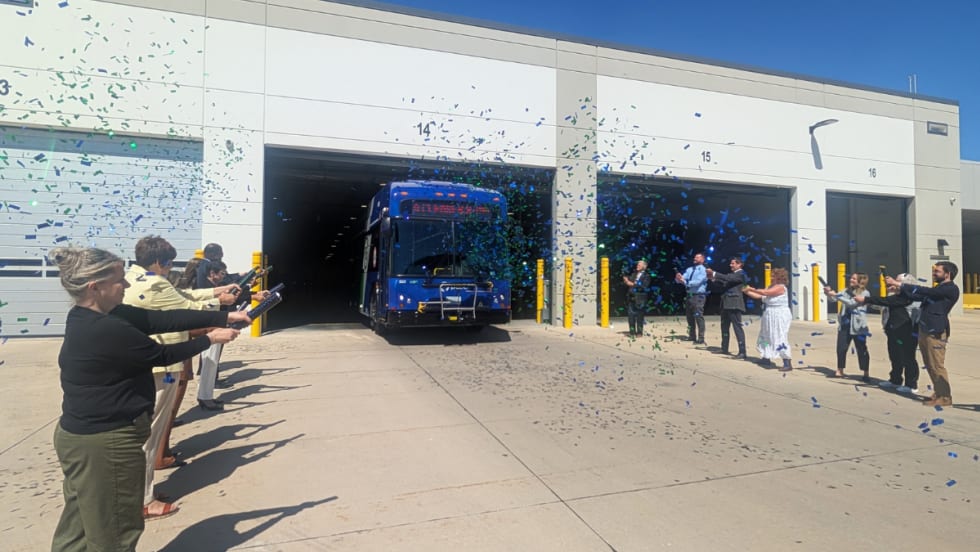
Chicago’s Pace Deploys 24 Hybrid-Electric Buses in Will County
The new buses reduce emissions and fuel consumption while advancing the agency's long-term goal of transitioning to a fully zero-emission fleet.
Read More →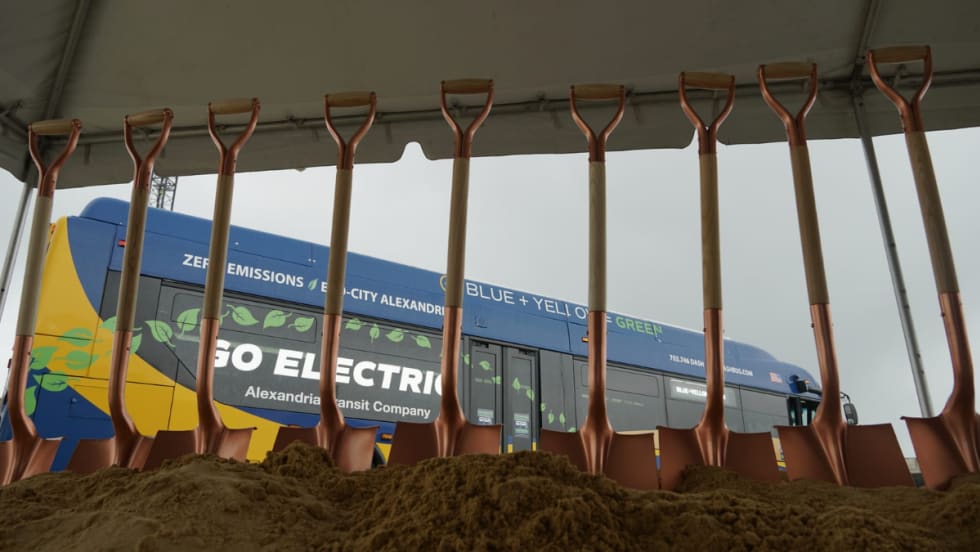
DASH Breaks Ground on First On-Route Electric Bus Chargers in D.C. Region
The fast-charging infrastructure will help extend electric bus range, improve fleet utilization, and support DASH's goal of transitioning to a fully zero-emission fleet.
Read More →