



TransLink Begins Installation of Braille Signage at Every Bus Stop
TransLink Commits to Net Zero Emissions with Climate Action Strategy
This strategy provides new emission reduction targets for all TransLink operations, fleet, and facilities.
by Staff
January 21, 2022
Photo: TransLink
3 min to read
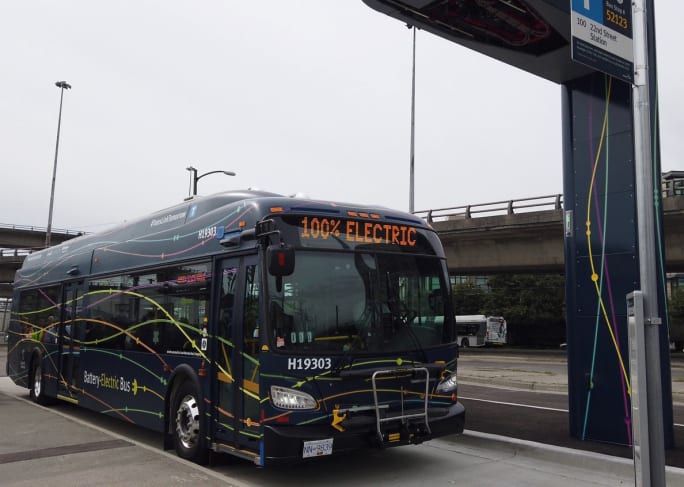
This strategy applies to its entire fleet of more than 2,000 transit vehicles, over 400 service vehicles, and its operations at over 200 facilities such as stations, terminals, transit hubs, park n’ rides, transit centres, maintenance centers, and administrative offices.
Photo: TransLink
TransLink announced it is releasing a Climate Action Strategy that maps a path to zero greenhouse gas emissions (GHGs), according to the company's press release.
This strategy provides new emission reduction targets for all TransLink operations, fleet, and facilities. It also identifies opportunities to create a more climate resilient transit system that better withstands the effects of climate change on infrastructure, as well as providing customer safety and comfort during extreme weather.
This strategy applies to its entire fleet of more than 2,000 transit vehicles, over 400 service vehicles, and its operations at over 200 facilities such as stations, terminals, transit hubs, park n’ rides, transit centres, maintenance centers, and administrative offices.
The Climate Action Strategy sets new goals for TransLink and its operating companies, including:
Net zero GHGs by 2050.
Zero emissions from our bus fleet by 2040.
45 per cent reduction of GHGs by 2030 (over 2010 levels).
To create a more resilient system that can better withstand climate impacts, that also keeps customers safe and comfortable in extreme weather.
Road-based transportation including personal, commercial, industrial, and public transit vehicles represent the largest single source of GHGs in the region, accounting for 35% of all emissions. While TransLink’s GHGs account for only 2.7% of those emissions, TransLink said it neesd to accelerate action to ensure its transit system has no negative contribution to our changing climate.
“The climate emergency is one of the most difficult challenges in human history, and we are seeing the devastating impacts of extreme weather in our region first-hand,” said Kevin Quinn, TransLink CEO. “With an all-electric SkyTrain system, a large fleet of electric trolleybuses and growing fleet of battery electric buses, transit is already one of the most sustainable ways to travel in Metro Vancouver. That said, businesses and individuals have a collective responsibility to do everything we can to address the climate emergency. This strategy will eliminate our carbon footprint and lead to a cleaner and greener future for generations.”
This strategy will help TransLink meet or exceed recommendations from the United Nations’ International Panel on Climate Change (IPCC), Metro Vancouver’s current regional targets, targets set by the federal government, and provincial targets outlined in CleanBC.
“Increasing access to reliable, comfortable and energy efficient public transportation is one of the best ways to drive down pollution and strengthen communities,” said George Heyman, B.C. minister of Environment and Climate Change Strategy. “TransLink’s plan, supporting actions and improved services will make a positive contribution to B.C.’s CleanBC Roadmap to 2030, and are key to meeting our climate goals.”
TransLink’s next steps include releasing a Climate Action Plan which will contain specific details on how it will achieve the goals set out in the Climate Action Strategy. That plan is projected to be released later this year and will complement Transport 2050.
Other key objectives in the Climate Action Strategy include:
Over 400 new battery-electric buses in service by 2030.
The first zero emission fully electric SeaBus in service by 2030.
Equipping 100 per cent of our bus fleet with air conditioning by 2028.
Building and operating a new transit centre in the Marpole area of Vancouver that only runs fully electric buses by 2027.
Using only renewable natural gas in our compressed natural gas fleet by 2024.
More Zero Emissions
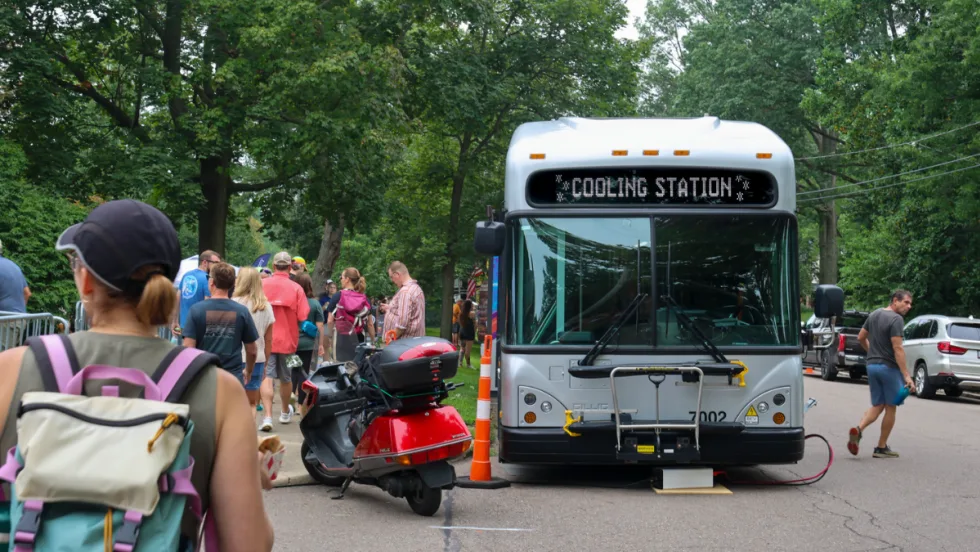
Ohio’s METRO RTA Turns Electric Buses into Mobile Power Sources at PorchROKR
See how three Gillig battery-electric buses powered festival stages while the agency’s new Park & Ride service carried approximately 1,000 attendees, demonstrating another potential use for transit agencies’ electric fleets.
Read More →
CALSTART and Forth Combine to Form Catalyst Mobility
The new name represents a renewed vision for the nonprofit focused on advancing clean, equitable, and affordable transportation solutions that move people and goods.
Read More →
Building a Flexible Path to Transit Electrification
John Hroncich discusses BAE Systems’ modular and scalable approach, lessons learned from decades of real-world operations, and how agencies can identify electrification strategies that fit their fleets.
Read More →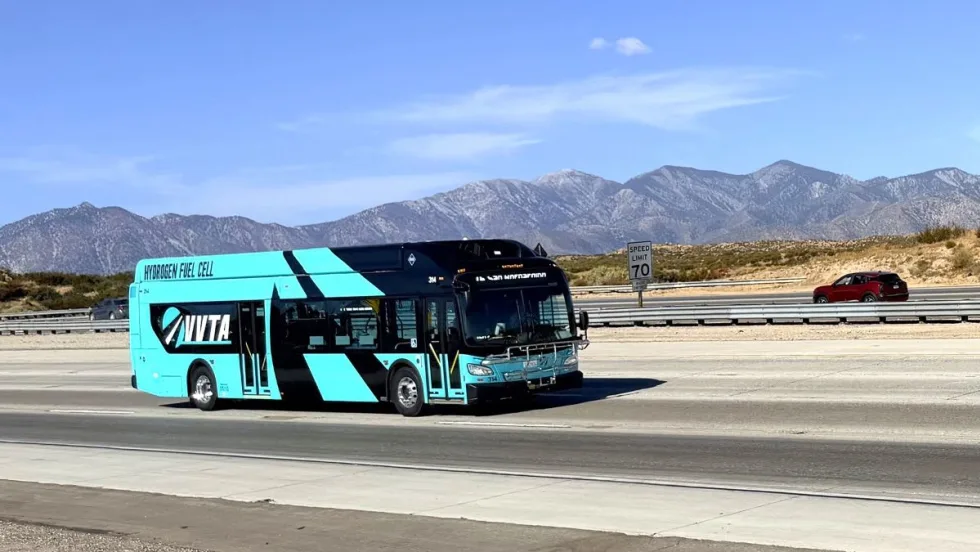
California's VVTA Begins Phased Rollout of Hydrogen Fuel Cell Buses
The agency is introducing 13 zero-emission buses into revenue service while evaluating performance across its urban, rural, and long-distance routes.
Read More →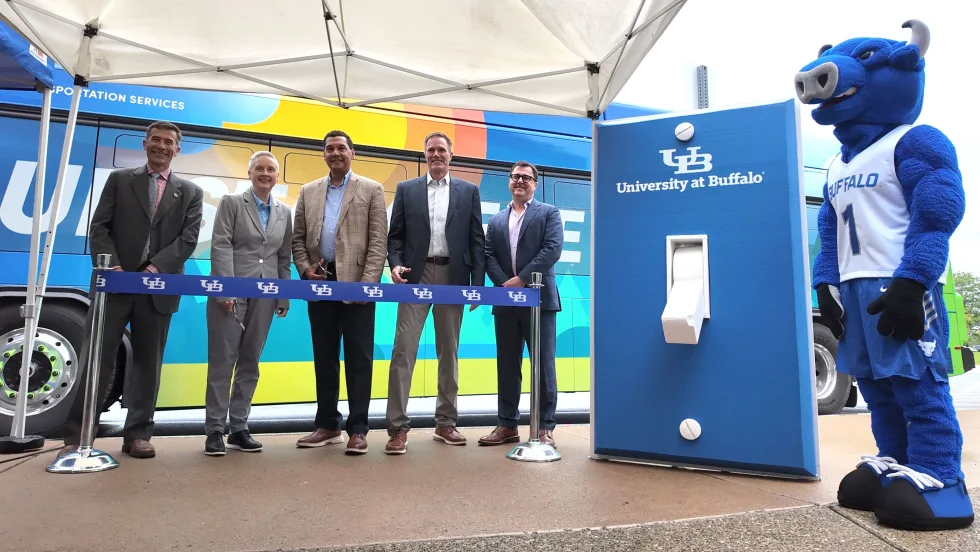
Inside Look: University at Buffalo Puts First 8 Electric Buses Into Stampede Service
UB, transportation solutions provider WeDriveU, and fleet electrification specialist Zenobē marked the deployment in the presence of students, university administrators, and local officials.
Read More →
Biz Briefs: OCTA Taps Clean Energy for Hydrogen Station, Stadler to Supply Via Rail Vehicles, and More
From manufacturers and suppliers to transit agencies and motorcoach operators, these updates offer a snapshot of the projects, partnerships and business moves driving the industry forward.
Read More →
AC Transit’s Cecil Blandon on Building the Next Generation of Transit Maintenance Leaders
The agency’s maintenance chief discusses leadership, workforce development, zero-emission technology, and preparing technicians for the future of public transportation.
Read More →
CTDOT Taps STV for Electric Bus Facility Design
The firm will work with CTDOT and RVT to define the facility layout, operational requirements, and long-term flexibility for RVT’s growing electric fleet.
Read More →
Chicago’s Pace Deploys 24 Hybrid-Electric Buses in Will County
The new buses reduce emissions and fuel consumption while advancing the agency's long-term goal of transitioning to a fully zero-emission fleet.
Read More →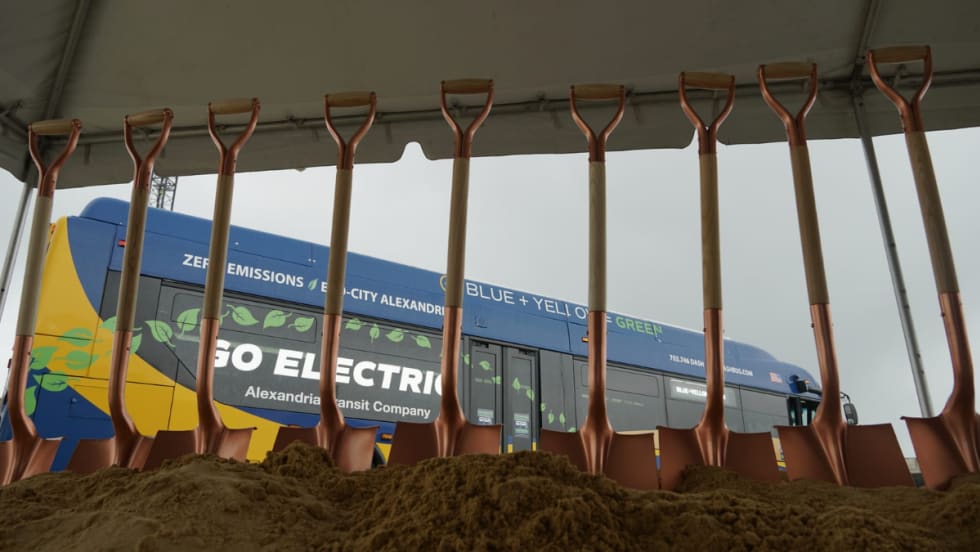
DASH Breaks Ground on First On-Route Electric Bus Chargers in D.C. Region
The fast-charging infrastructure will help extend electric bus range, improve fleet utilization, and support DASH's goal of transitioning to a fully zero-emission fleet.
Read More →