



Translink, INIT partner for real-time bus info system
The bus location information and predicted departure times at stops comes from the Transit Management and Communication System that INIT provided through MOBILE-ITCS and is accessible to TransLink’s Web interface through a standardized Service Interface for Real-time Information.

TransLink, the regional transportation authority in Metro Vancouver, Canada, recently launched Version 1.0 of their RTTI (Real Time Transit Information) system, which includes the long-awaited predicted departure of buses from the stop. This product provides passengers with the exact time a bus will leave a given stop.
The bus location information and predicted departure times at stops comes from the transit management and communication system (TMAC) that INIT provided through MOBILE-ITCS and is accessible to TransLink’s web interface through a standardized service interface for real-time information (SIRI). Based on this real time data stream, TransLink has developed its own passenger Web GUI. The agency trademarked the name of the real-time service in 2011 calling it “Next Bus” (not to be confused with the U.S.-based company with a similar name).
The first phase of RTTI (launched in Beta in September 2011) provided passengers with real-time bus location information displayed on an interactive map. After completing 11 Beta releases and incrementally adding significant new functionality, TransLink introduced predicted bus departures with the launch of V1.0 on April 17, 2012.
Before the launch of the new service, the agency spent a considerable amount of time analyzing the predicted departure data from the INIT fleet management system to determine the accuracy level of this information.
“We compared the predictions in our RTTI system to INIT’s MOBILEstatistics data which, of course, provided the actual departure time of the bus at the stop,” says Patricia Sharp, TransLink’s assistant manager of business applications — transit systems and a member of TransLink’s RTTI project team. The result is a real-time service which significantly enhances the transit experience for customers in the Greater Vancouver service region.
The agency is now working toward upgrading the existing SMS Service (which to date has allowed customers to receive up to six scheduled departure times for a given stop) to a real-time service. This service has been phenomenally successful with typically 50,000 requests processed every day. As well, TransLink is actively working on releasing an API which allows the development of smart phone apps by external developers.
The Next Bus service is part of TransLink’s larger mobile web offerings (which includes Trip planning, Alerts, and many other tools, accessed from http://m.translink.ca). Next Bus is not a smart phone app, but rather a website optimized for mobile users (Android 2.3 smart phones, iPhones and newer versions of BlackBerry are fully supported). It can also be accessed using a standard desktop browser directly at http://nb.translink.ca.
With the new service, a customer can obtain the location of their bus in a number of ways: using the unique bus stop code — the five-digit yellow number printed on each bus stop sign, by keying in an intersection, searching by bus route number or even using the GPS location on their smart phone. The system then takes the customer to a street map showing the bus stop and the actual departure times of all upcoming buses for that stop, as well as the real-time location of each bus equipped with the TMAC system. Real-time location date and departure time predictions are updated every 30 seconds. The real-time service also lets passengers know when service for a trip or stop is cancelled.
More Bus
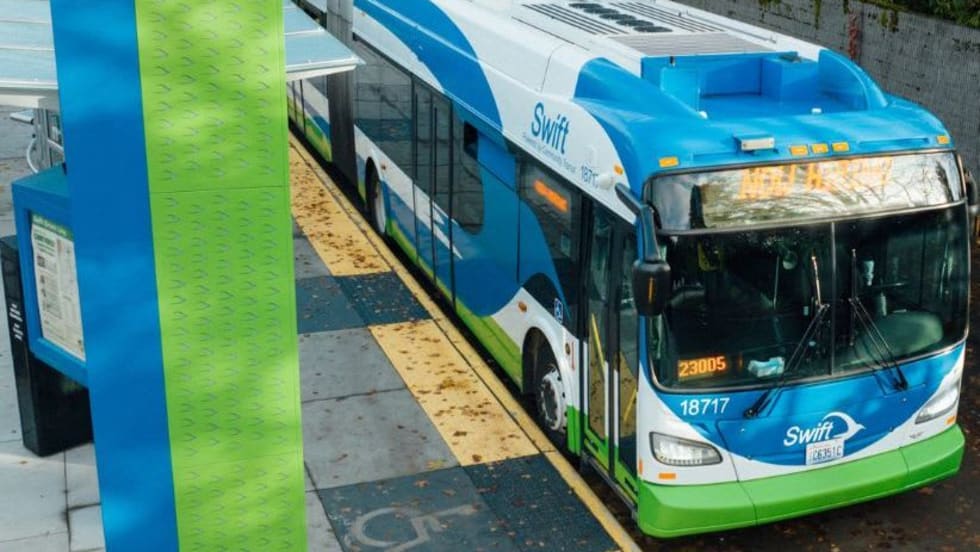
Washington's Community Transit Sets Six-Year Roadmap for Growth, Expansion
Approved TDP targets more bus service, new mobility options, Swift BRT expansion, and a potential Everett Transit annexation.
Read More →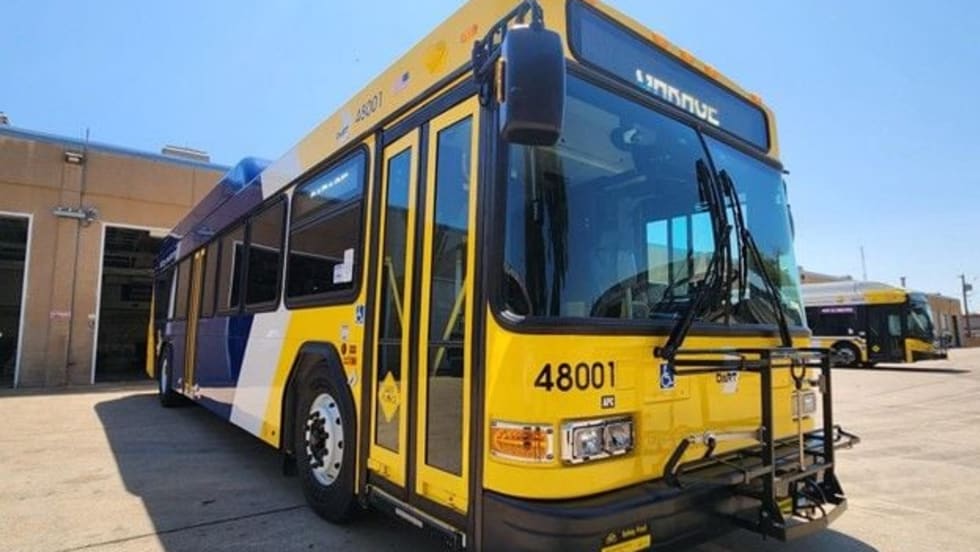
DART Customer Satisfaction Reaches Six-Year High
Overall satisfaction rose to 74.9%, while the agency’s Net Promoter Score reached a record 33.7.
Read More →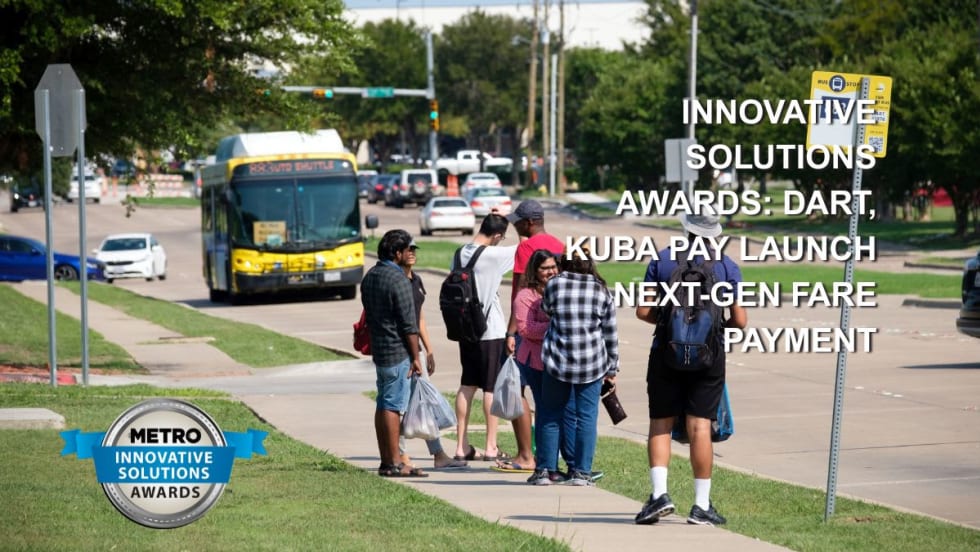
How DART's GoPass Is Redefining Regional Mobility
Serving 14 transit agencies, GoPass simplifies multimodal travel by allowing riders to plan, pay for, and manage an entire trip through one app.
Read More →
Biz Briefs: OCTA Taps Clean Energy for Hydrogen Station, Stadler to Supply Via Rail Vehicles, and More
From manufacturers and suppliers to transit agencies and motorcoach operators, these updates offer a snapshot of the projects, partnerships and business moves driving the industry forward.
Read More →
METRO Magazine Announces 2026 Innovative Solutions Awards Winners
Projects Recognized for Advancing Mobility Through Technology, Accessibility, Workforce Innovation, and Operational Excellence
Read More →
Biz Briefs: STV teams with Amtrak, Motorcoach Operators Boost Fleet and Land Contracts, and More
From manufacturers and suppliers to transit agencies and motorcoach operators, these updates offer a snapshot of the projects, partnerships and business moves driving the industry forward.
Read More →
LA Metro Marks Banner Year, Sets Ambitious Goals for New Fiscal Year
Incoming LA Metro Board Chair and Los Angeles Mayor Karen Bass joined outgoing Board Chair Fernando Dutra and LA Metro CEO Stephanie Wiggins to review accomplishments from fiscal year 2026, which included the opening of new rail extensions, advancement of major transit projects, expanded safety programs, and new rider amenities.
Read More →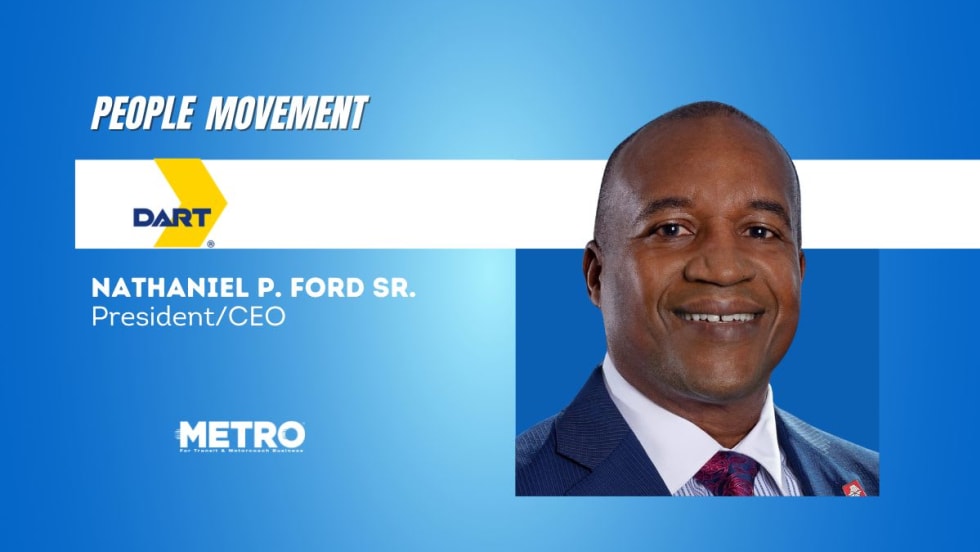
DART Taps Nathaniel P. Ford Sr. as Next President/CEO
Since 2012, Ford has served as the CEO of the Jacksonville Transportation Authority
Read More →
AC Transit’s Cecil Blandon on Building the Next Generation of Transit Maintenance Leaders
The agency’s maintenance chief discusses leadership, workforce development, zero-emission technology, and preparing technicians for the future of public transportation.
Read More →
Building the Next Generation of Transit Technology
In this edition of METROspectives, Luminator CEO Magnus Friberg discusses the company's transformation, the growing role of AI and software, and what's next for transit technology.
Read More →