



TransLink to Double Bus Service Through New 10-Year Plan
The plan prioritizes the first 10 years of actions originally outlined in Transport 2050.

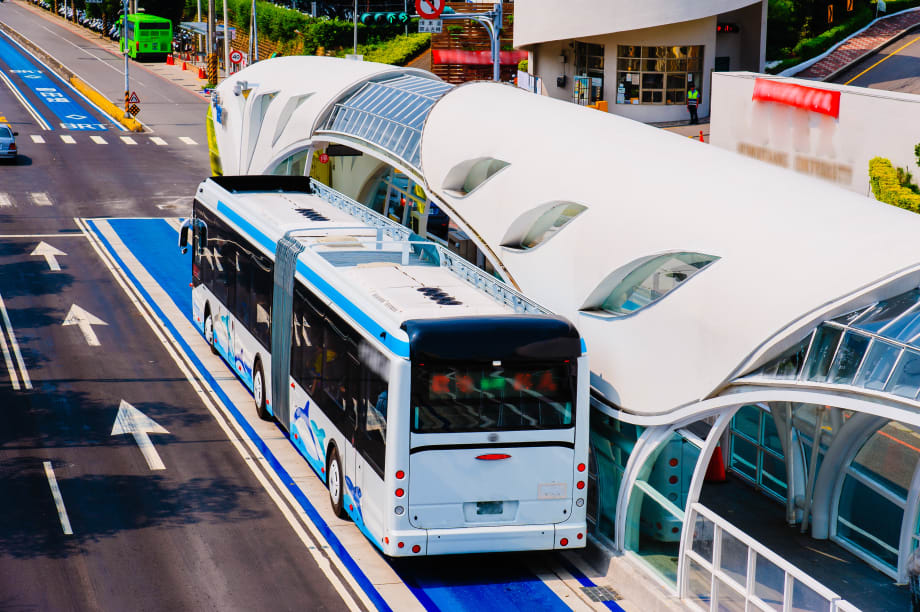
TransLink will implement an increase in local bus service and continue expanding the SkyTrain network
Photo: TransLink
"Transport 2050: 10-Year Priorities" has been approved by the Mayors’ Council and TransLink’s Board of Directors as the region’s new decade-long list of transportation priorities for Metro Vancouver.
This plan prioritizes the first 10 years of actions originally outlined in Transport 2050.
TransLink will implement an increase in local bus service and continue expanding the SkyTrain network, while also introducing Bus Rapid Transit technology to the region. Bus Rapid Transit will bring zero-emission buses to fully traffic-separated corridors with dedicated stations for passengers to board.
“We are at a critical time to invest in our future. We have heard through the most robust community engagement in TransLink’s history that we need to act with both ambition and urgency," said Kevin Quinn, CEO of TransLink. "Transport 2050: 10-Year Priorities will bring historic actions to combat climate change, reduce congestion, and improve livability in this region.”
Priorities include:
Up to nine new traffic-separated Bus Rapid Transit lines.
More than doubling bus service over 2022 levels.
Building the Burnaby Mountain Gondola to Simon Fraser University.
Extending the Millennium Line from Arbutus to the University of British Columbia.
Increasing HandyDART service by 60 per cent and providing 24-hour service.
Immediately advancing a business case to determine the best rapid transit technology on the Metrotown to Park Royal corridor, while delivering better bus service in the short term.
Exploring other potential SkyTrain extensions, including to Newton in Surrey and to Port Coquitlam.
Building 450 kilometres of new traffic-separated cycling paths including bike networks in every Metro Vancouver Urban Centre.
Introducing 200 new bike lockers and six new bike parkades.
Increasing SeaBus service start and end times to match SkyTrain’s service hours.
"Transport 2050: 10-Year Priorities" received public support, with 85% of respondents providing positive feedback about the proposal’s transit improvements during the public engagement period.
"Transport 2050: 10-Year Priorities" is estimated to cost $21 billion over 10 years and will need new revenue sources and investments from all levels of government to deliver. It will be delivered in phases and funded through a series of future investment plans.
More Bus

New York MTA Plans Largest Bus Fleet Upgrade in More Than a Decade
The agency is seeking manufacturers for 650 new CNG buses to replace aging vehicles, improve reliability, and advance its broader fleet modernization strategy.
Read More →
Building a Flexible Path to Transit Electrification
John Hroncich discusses BAE Systems’ modular and scalable approach, lessons learned from decades of real-world operations, and how agencies can identify electrification strategies that fit their fleets.
Read More →
Bus Tech Talk: Keeping Transit Technicians Ahead of the Technology Curve
LA Metro’s Obed Mejia discusses technician training, evolving maintenance technology, fleet replacement, and strategies for getting the most out of today’s transit fleets.
Read More →
Biz Briefs: RIPTA Unveils New Frontrunners, Clevland RTA Adds New Siemens, and More
In METRO's latest installment, we take a look at recent news from Siemens, Prevost, Dodge, and more partnerships making headlines across the transportation sector.
Read More →
People Movement: Holly Arnold Joins Transdev and More
In this edition, we also cover recent appointments and announcements at Pace, CamTran, MCI, and more, showcasing the individuals helping to shape the future of transportation.
Read More →
The High Cost of Transit Buses: Industry Leaders Look to Procurement Reform
Transit leaders and policymakers examine how standardized bus designs, streamlined procurement, and predictable funding could help agencies stretch budgets and deliver better service.
Read More →
The Business Voice Behind Public Transportation
As chair of APTA’s Business Members Board of Governors, Ray Melleady explains how more than 850 business members are partnering with transit agencies to advance funding, innovation, and industry-wide collaboration.
Read More →
From Surviving to Thriving: Building Stronger Transportation Organizations
Bus Business Consultants founder Brian Dickson shares lessons on leadership, organizational health, and creating options for long-term success in a changing transportation industry.
Read More →
Finding the ‘Happy Medium’: Optimizing Maintenance Without Sacrificing Reliability
The key to maintenance optimization isn’t doing less work—it’s doing the right work at the right time on the right assets.
Read More →
LA Metro, City of West Hollywood, and Partners Advance Smarter Bus Lane Enforcement
The award-winning partnership combines AI-powered detection with human oversight to improve bus reliability, accessibility, and enforcement efficiency.
Read More →