



TriMet names new chief operating officer
Sam Desue Jr. brings more than 22 years of public and private transportation experience, including KCATA and Pierce Transit.


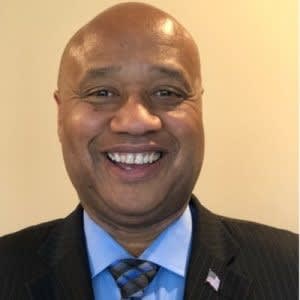
Portland, Oregon’s TriMet named Samuel (Sam) Desue Jr. as its new Chief Operating Officer, where he will lead the agency’s Transportation, Maintenance, IT, and Safety & Security divisions.
Desue brings more than 22 years of public and private transportation experience, including Kansas City where he moved up through the ranks at Kansas City Area Transportation Authority (KCATA), starting as director, transportation, in 2013, while also serving as COO, interim GM, and most recently, deputy CEO.
In his leadership roles at KCATA, Desue set priorities for the agency, developed a five-year strategic plan; improved on-time performance; promoted industry best practices and technologies to benefit the customer experience; implemented a safety/security task force; and forged strong partnerships with community and business groups, first responders, and city leaders.
Prior to Kansas City, Desue worked at both Pierce Transit and Community Transit in Washington, where he directed transportation services. He also oversaw ground transportation at SeaTac International Airport, as well as operations at Seattle Monorail.
In his five years at Pierce Transit, where he moved up from sr. transportation manager to VP, transportation services, Desue helped redesign a 30-year old transit route system to better address travel patterns. He also reduced operating costs, improved productivity, established employee training and support programs, implemented a new radio system and Computer Aided Dispatch/Automatic Vehicle Location system, and grew customer satisfaction.
Desue will begin his role as TriMet’s COO on March 18.
More Management

METRO Opens Submissions for 2026 Motorcoach Awards
Nominations are now being accepted for METRO Magazine’s Operator of the Year and Innovative Operator of the Year awards.
Read More →
New York MTA Advances Final Contract for Second Avenue Subway Expansion
Contract Four is the largest in the Second Avenue Subway Phase 2 project and includes construction of station infrastructure, tracks, and signals for the subway expansion, MTA officials said. Work on Contract Four will begin in 2027.
Read More →
Transit Agencies Highlight Safety Gains at National Summit
Leaders from 15 major transit systems shared crime-reduction results and safety initiatives while discussing the role of continued federal support.
Read More →

NITA Names New Leadership, Expands Reduced-Fare Program at First Board Meeting
The new regional transit authority appointed its first board chair and interim executive director while extending reduced fares across CTA, Metra, and Pace for eligible riders.
Read More →
Beyond the Checklist: A Structured Approach to Transit Maintenance
Reliability-Centered Maintenance helps transit agencies move beyond routine checklists to focus limited resources on the assets and failures that have the greatest impact on safety, reliability, and service.
Read More →
APTA 2026 Nominating Committee Selects Leadership Slate, Names Chair and Vice Chair Nominees
Leadership changes will help shape the association’s priorities and its representation of the transportation industry during the 2026–2027 term.
Read More →
DART Launches Major Security, Fare Enforcement Initiative
The 90-day demonstration will deploy coordinated security teams at five light rail stations while testing controlled access and gathering data to guide future investments.
Read More →
Advancing Fare Collection Through Technology and Innovation
Learn about delivering 1300 gates at 91 stations while managing fare evasion. Explore the large scale deployment, solution customization and real-world results that affect the region. Prepare for deployment in your region now.
Read More →
Game Day in Motion: Moving Millions During the 2026 World Cup
Between packed transit stations and team motorcoaches, see how agencies and operators across North America tackled the transportation demands of the 2026 FIFA World Cup.
Read More →
Surface Transportation Extension Averts Shutdown, Leaves Transit Funding Gap
The stopgap keeps federal transportation programs moving, but missing advance funding could complicate the transit and rail projects agencies are planning next.
Read More →