



TTC unveils funding info campaign
Includes five posters designed to inform customers of the importance of better transit funding, investments that are being made in transit, the positive economic and environmental impact of a healthy transit system, how the agency is improving customer service and the value the TTC has on one’s personal budget.

The Toronto Transit Commission (TTC) began an eight-week customer information campaign appearing in all buses, streetcars, subways and subway stations.
Called “Moving toward a better tomorrow,” the campaign includes five distinct posters designed to inform TTC customers of the importance of better transit funding, investments that are being made in transit, the positive economic and environmental impact of a healthy transit system, how the TTC is improving customer service and the value the TTC has on one’s personal budget.
The advertising space used for the campaign is at no cost to the TTC, as the space is already allocated for this purpose as part of its advertising contract.
The financial challenges of the City of Toronto have a direct impact on North America’s third largest transit system — the only system of its size that relies almost exclusively on property taxes to subsidize its operating costs.
Despite the challenges, the TTC is making significant improvements for customers; ridership of more than 500 million is projected this year. The Toronto Rocket subway train, new streetcars in 2013, a fully-accessible bus network, construction of the Toronto York Spadina subway extension, installation of a new signal system, a second platform at Union Station, the Presto farecard and the establishment of a permanent customer service committee (Customer Liaison Panel) are just a few of the TTC initiatives under way to make the transit experience a better one for Torontonians.
But funding challenges remain. The need for a long-term commitment from other orders of government has never been more important. When ridership grows, as it is, the cost of operating the system also rises. In 2010, the TTC received just 84 cents per rider in subsidy (80 cents in 2012). By comparison, in 2010 Montreal received a subsidy of $1.28 per rider, and in Chicago, the subsidy was $2.64.
This year, the TTC and City of Toronto will continue in their efforts to secure long-term, sustainable funding for both the TTC’s operating and capital budgets. Gridlock, as reported by the Toronto Board of Trade, costs the GTA an estimated $6 billion annually. One TTC bus removes 45 cars from city streets, while one subway train replaces more than 900 automobiles during rush hour. For the good of the environment and economy, a well-funded transit system is critical to a city the size of Toronto.
More Bus

More Than a Summer Job: Building the Next Generation of Transit Talent
The Delaware River Port Authority and PATCO have transformed their internship program into a hands-on professional development experience that introduces students to the breadth of transportation careers — and creates a pipeline for future employees.
Read More →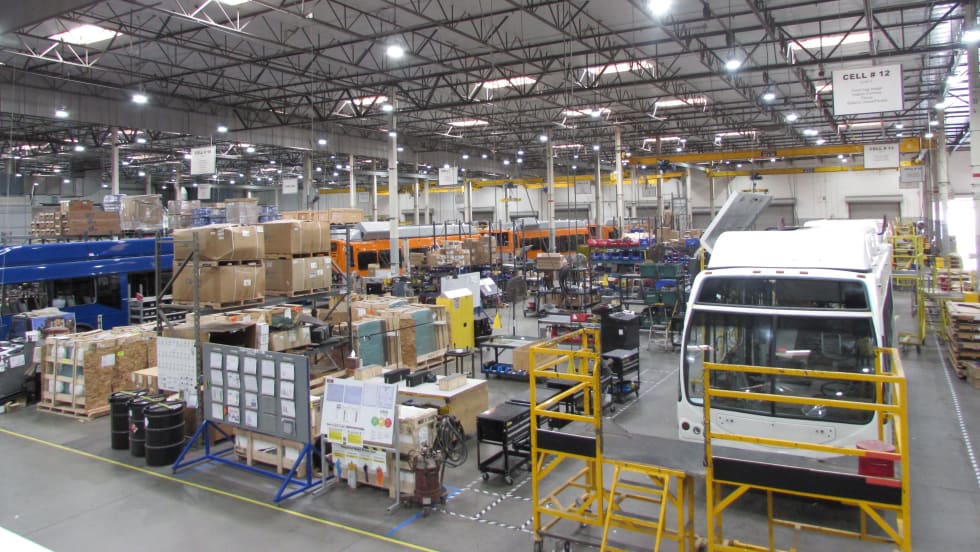
LA Metro Board Awards 220 Battery-Electric Bus Contract to ENC
The contract, which is the largest base award of battery-electric buses by a U.S. transit agency, will be built in Southern California, sustaining good jobs as LA prepares to welcome the world in 2028
Read More →
Public Transit Conference Returning to GFX in 2027, Call for Papers Now Open
The Call for Papers is now open, allowing transit agency professionals and industry experts to help shape the PTC educational program by submitting session ideas for consideration.
Read More →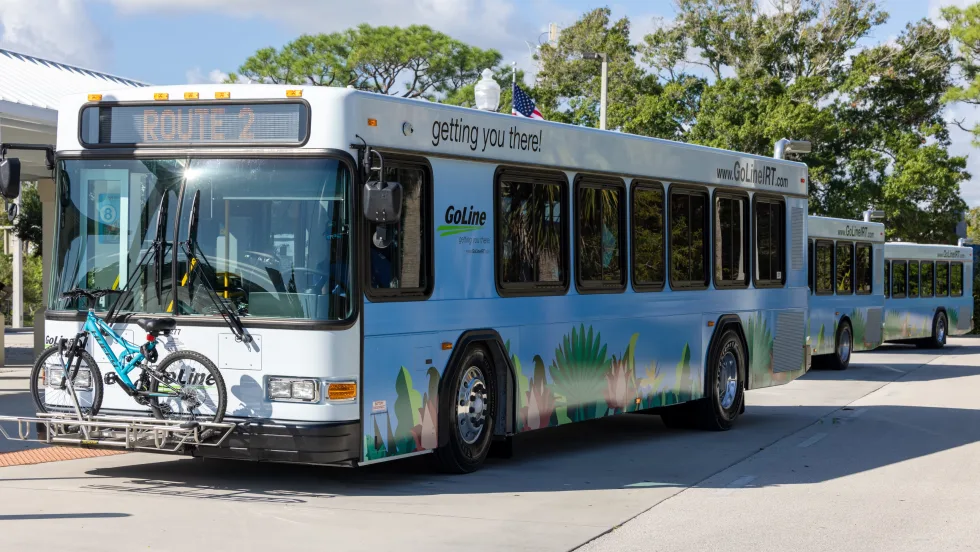
Indian River Transit’s Community-Focused Approach Earns National Recognition
Named APTA’s 2026 Outstanding Public Transportation System in its size category, Florida’s Indian River County transit system continues to grow ridership through fare-free service and a focus on evolving community needs.
Read More →
ENC Lands MATA Contract and More in Biz Briefs
In this edition of Biz Briefs, we spotlight the latest developments shaping the future of mobility.
Read More →
From Surviving to Thriving: Building Stronger Transportation Organizations
Bus Business Consultants founder Brian Dickson shares lessons on leadership, organizational health, and creating options for long-term success in a changing transportation industry.
Read More →
Everett Transit, Community Transit Outline Consolidation Agreement
The proposed agreement calls for a 50% increase in bus service in Everett, a new microtransit zone, continued paratransit service, and the transfer of Everett Transit operations to Community Transit.
Read More →
SEPTA Details Accelerate Vision for Transit System
The plan outlines investments in trolley modernization, new Metro and Regional Rail vehicles, accessible stations, and more frequent bus and rail service.
Read More →
Report: Transit Bus Manufacturing Supports 34,100 Jobs, $5.1B in GDP
The “Buses Mean Business” report examines the transit bus manufacturing industry’s economic footprint, supply chain, and rising demand for vehicle replacements.
Read More →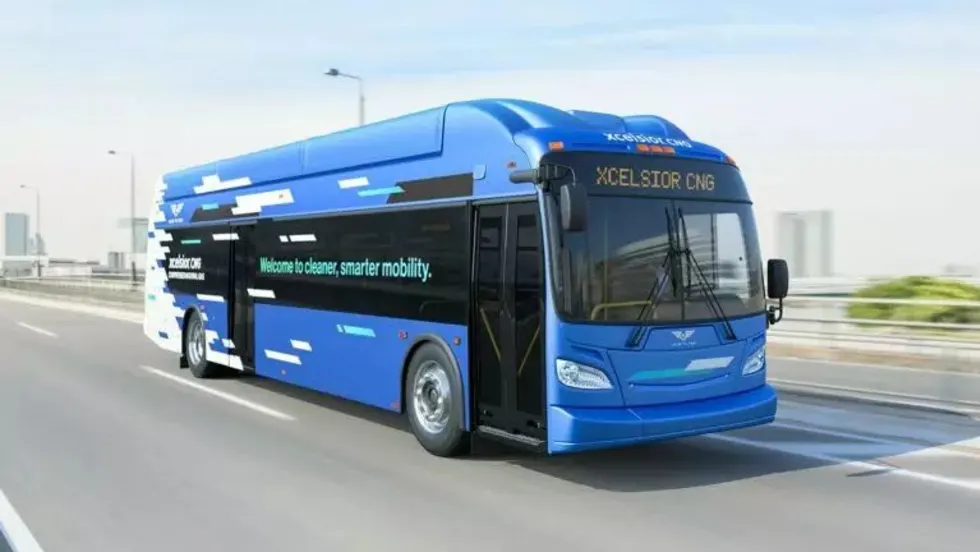
Biz Briefs: New Flyer Delivers in Columbus, Houston, Beep and Freebee Merge, and More
In this edition of Biz Briefs, we spotlight the latest developments shaping the future of mobility.
Read More →