




RELATED: Proterra's Catalyst breaks Altoona records for energy efficiency
Two Calif. Central Valley cities select Proterra Catalyst zero-emission buses
San Joaquin Regional Transit District Tulare County's Porterville Transit plans to procure two Catalyst buses each.
July 23, 2015
2 min to read

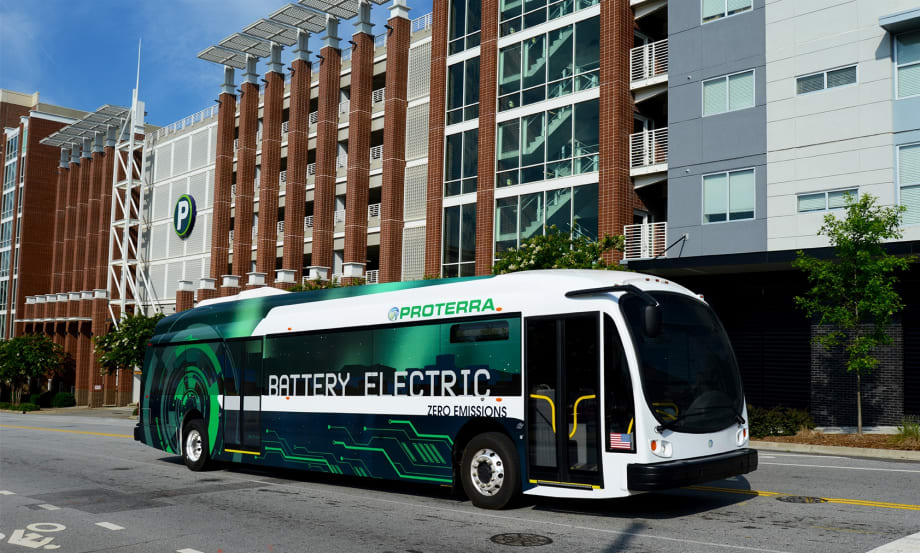
Proterra, provider of zero-emission battery-electric buses, announced that the California cities of Stockton and Porterville have each placed orders with Proterra for its new Catalyst bus with funding from the San Joaquin Valley Unified Air Pollution Control District.
Four new zero-emission, battery-electric Proterra® buses will replace diesel buses in a concerted effort from the Valley to enable the proliferation of clean-air fleets, significantly reduce emissions and improve ambient air quality and public health. Notably, the Proterra Catalyst is the most efficient 40-foot transit bus on the market, nearly six times more efficient than the diesel buses it will be replacing, at 22 MPGe, according to the company.
San Joaquin Regional Transit District (RTD), which serves more than 687,744 people in San Joaquin County, will be ordering an additional two Catalyst buses to provide clean, reliable, and efficient bus rapid transit for the region.
“As the first transit agency inNorthern California to have operated fully-electric buses, we’re grateful for the District’s funding and the opportunity to expand our electric bus fleet with Proterra,” said, Donna DeMartino, GM/CEO at RTD.
Tulare County’s Porterville Transit also has plans to procure two Proterra 40-foot Catalyst buses to inaugurate the Southern Valley’s first electric transit bus service for approximately 650,000 passengers per year.
“With perpetual air quality challenges in the Valley, we’re grateful for the funding provided by the San Joaquin Valley Air Pollution Control District and pleased to integrate Proterra’s zero-emission buses into our transit system. These 100% electric buses will provide a clean, quiet transit solution for our residents and business owners in Porterville,” said Richard Tree, PTS transit manager.

On the heels of announcing national expansion plans and breaking four records in efficiency, gradeability, weight and acceleration at the Altoona Bus Research and Testing Center, these additional customer orders from Stockton and Porterville will bring the company’s firm orders to 110 units, with 323 options contracted, for a total of 433.
“With California representing nearly half of the U.S. bus market and the Air Resource Board setting a goal of operating 100% zero-emission bus fleets by 2040, the state is inaugurating a quiet electric vehicle market transformation,” said Ryan Popple, CEO of Proterra. “We’re pleased to be in a position to scale production to meet growing demand for zero emission vehicles and ultimately enable transit agencies to go electric.”
More Technology
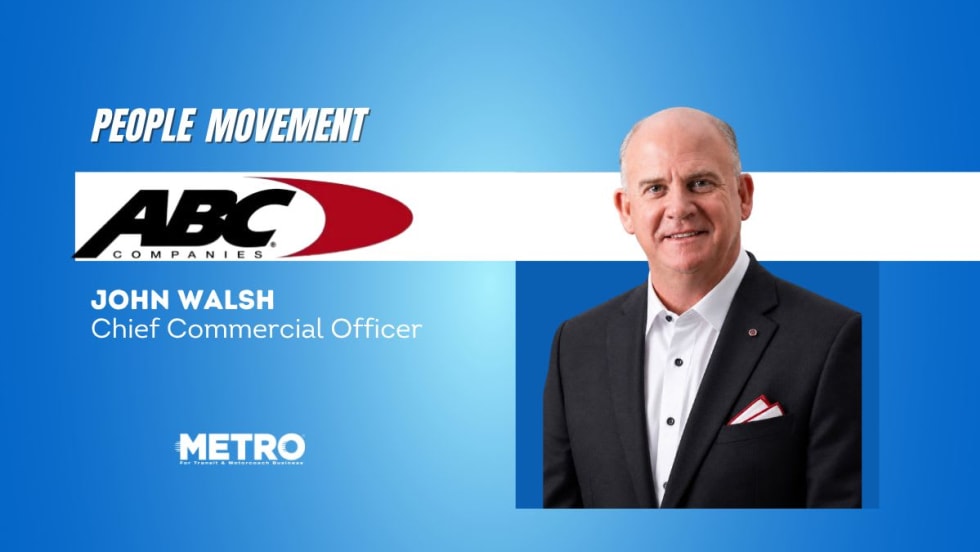
People Movement: ABC Names John Walsh as Chief Commercial Officer
In this edition, METRO also covers recent appointments and announcements at the DART, STV, and more, showcasing the individuals helping to shape the future of transportation.
Read More →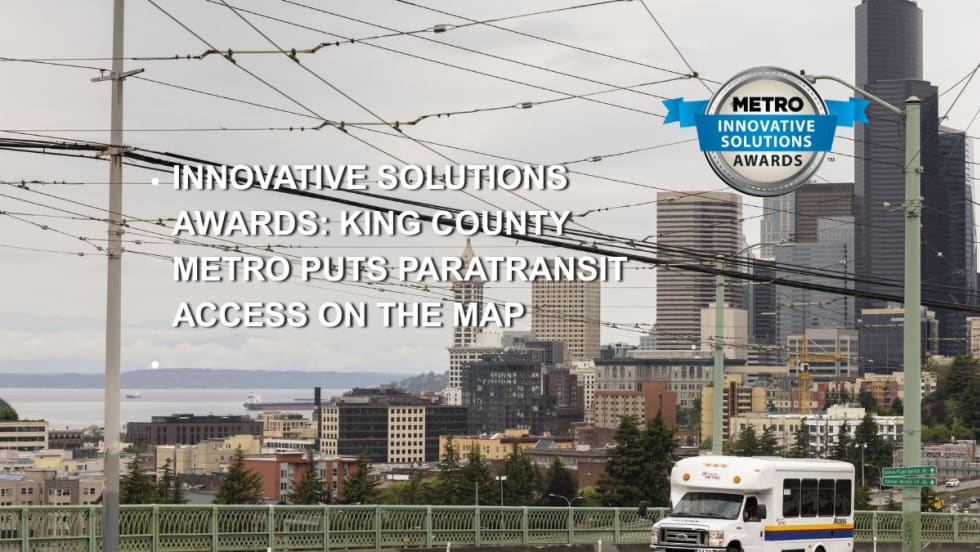
King County Metro Makes ADA Paratransit Easier to Navigate
METRO's Innovative Solutions Award winner replaces complex service-area descriptions with an accessible, interactive map that puts paratransit information directly in customers’ hands.
Read More →
TransDASH Summit Focuses on Measuring What Matters in Transit
Transit agencies unveil a national performance platform designed to benchmark customer experience, safety, community value, and other outcomes.
Read More →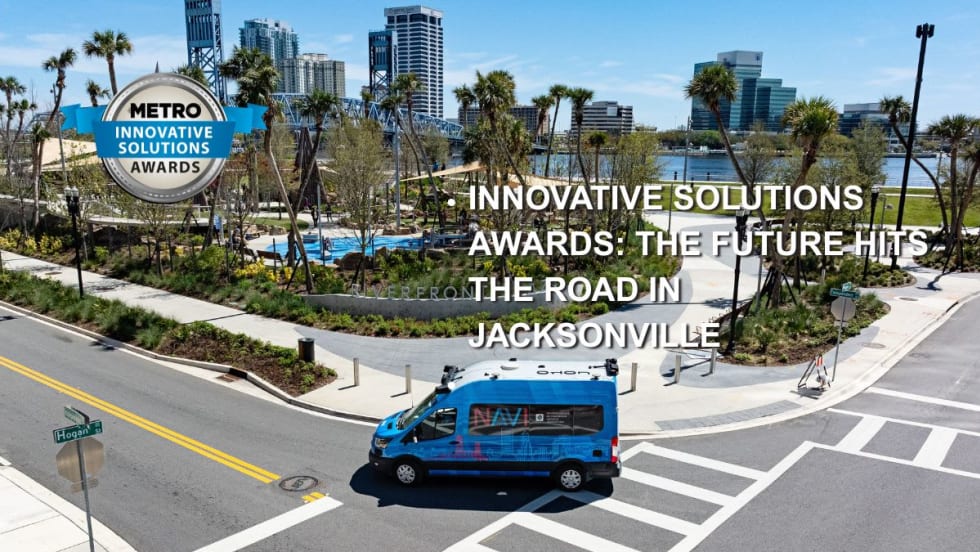
Jacksonville’s NAVI Project Charts a New Course for Autonomous Public Transportation
Through its NAVI program, JTA is showing how autonomous vehicles, intelligent infrastructure, and coordinated operations can work together to deliver everyday public transportation.
Read More →
Biz Briefs: Luminator Marks Milestone and More
From manufacturers and suppliers to transit agencies and motorcoach operators, these updates offer a snapshot of the projects, partnerships and business moves driving the industry forward.
Read More →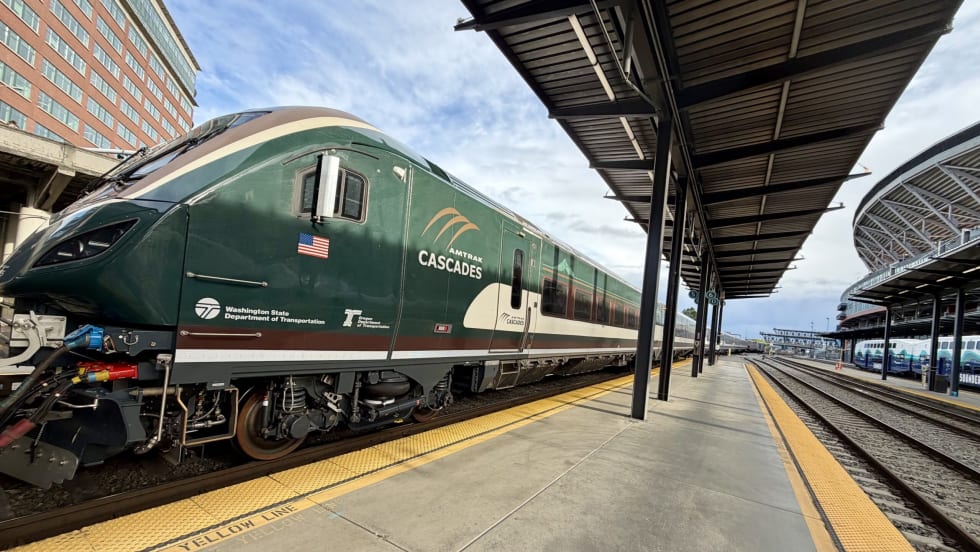
FRA Announces $5.3B in Rail Investments, Including $2B for Amtrak
Funding will support grade-crossing improvements, infrastructure upgrades, and new Amtrak equipment in 23 states.
Read More →
Finding the ‘Happy Medium’: Optimizing Maintenance Without Sacrificing Reliability
The key to maintenance optimization isn’t doing less work—it’s doing the right work at the right time on the right assets.
Read More →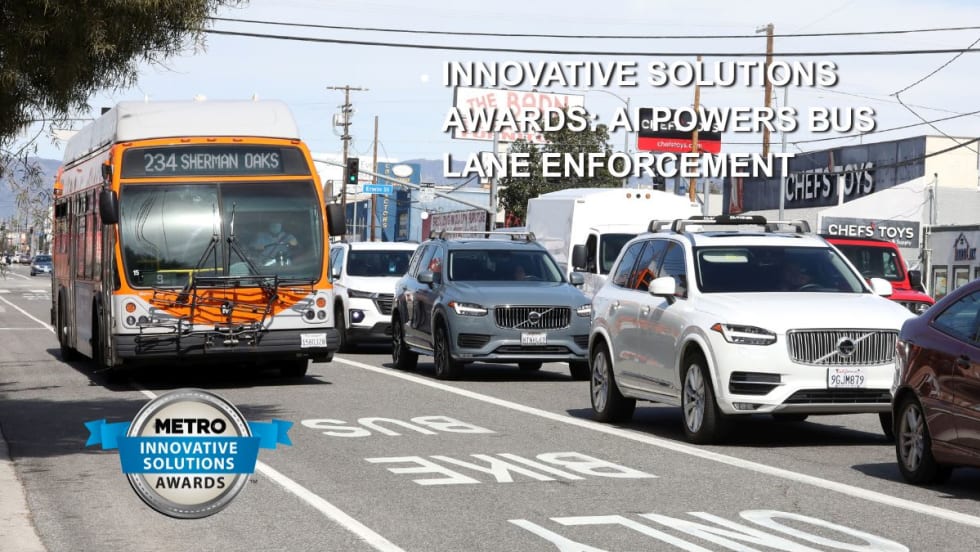
LA Metro, City of West Hollywood, and Partners Advance Smarter Bus Lane Enforcement
The award-winning partnership combines AI-powered detection with human oversight to improve bus reliability, accessibility, and enforcement efficiency.
Read More →
PSTA Modernizes Workforce Management with Digital Bidding System
The award-winning Workforce Transit Modernization project replaced paper bidding with a transparent digital platform, cutting administrative effort while improving access for operators.
Read More →
New Tricks for Old Bureaucracies: Joshua Schank on Making Transit Innovation Stick
Former LA Metro Chief Innovation Officer Joshua Schank discusses why good ideas aren't enough, how transit agencies can overcome resistance to change, and why today's challenges demand more innovation.
Read More →