



U. of Wis. Oshkosh celebrates 101K rides on transit
According to the Oshkosh Transit System’s (now GO Transit) monthly ridership reports, nearly 86,000 UW Oshkosh riders took the bus in 2011. In 2012, UW Oshkosh-based ridership surged like never before, resulting in an 18% annual increase.


Photo credit Jacob Browning, UW Oshkosh
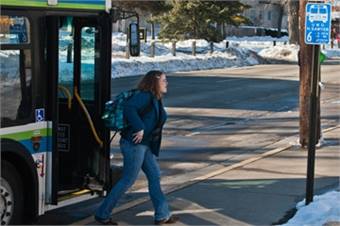
In 2012, University of Wisconsin Oshkosh community members took to the city bus like never before, collectively logging enough miles to circle the Earth more than 13 times.
UW Oshkosh community members chose to take GO Transit’s buses in 2012 for more than 101,000 rides, a record number for the public transit system. It’s all thanks to a ridership-boosting collaboration program that began in 2000.
“We’re glad to see so many in the university community taking advantage of the mobility that our bus service provides,” GO Transit Director of Transportation Chris Strong said. “This number is an all-time high for us, so we are excited to see this partnership continue to thrive.”
Monday, Feb. 4 also marks the beginning of Wisconsin Transit Week, the Wisconsin Department of Transportation’s (WisDOT) and the Transportation Development Association of Wisconsin’s (TDA) awareness week designed to “promote and celebrate the transit systems that contribute to the state’s economy, environment and quality of life.”
“The University of Wisconsin Oshkosh is a leader in putting sustainable practices into place,” said Oshkosh City Manager Mark Rohloff. “By using GO Transit, the university benefits by reducing traffic and lessening parking demand in and around the university. The university is to be commended for their commitment to sustainable practices, and for setting an example to the entire Oshkosh community that public transit is a viable alternative to moving in and around Oshkosh.”
Since 2000, UW Oshkosh students, faculty and staff, through the Titan Transit initiative, have been able to use the sustainable city bus system for free just by showing their “TitanCards.” Bus drivers track the number of rides by passengers with Titan ID cards, and the city then bills the university based on a contracted price for those rides, Strong said.
In its inaugural year, more than 12 years ago, the collaboration yielded more than 31,000 UW Oshkosh rides. Since then, the total has increased dramatically.
According to the Oshkosh Transit System’s (now GO Transit) monthly ridership reports, nearly 86,000 UW Oshkosh riders took the bus in 2011. In 2012, UW Oshkosh-based ridership surged like never before, resulting in an 18% annual increase.
“Here is one more example of a mutually-beneficial collaboration between our university and an outside partner, in this case, the city of Oshkosh,” said UW Oshkosh Chancellor Richard Wells. “It is a real success story for each partner involved, economically and environmentally. This collaboration saves the members of our campus community on transportation costs in challenging times. It curtails vehicle traffic and parking demand in the city, also lessening the wear and tear on city streets. And it lessens air pollution and our impact on the Earth. It’s the definition of sustainability, which our institution is recognized as a national leader in.”
By the numbers (in UW Oshkosh rides):
2000: 31,314
2001: 45,038
2002: 50,429
2003: 58,143
2004: 59,669
2005: 67,554
2006: 65,110
2007: 68,108
2008: 73,938
2009: 69,490
2010: 74,870
2011: 85,986
2012: 101,855
The impact of the record UW Oshkosh ridership year is staggering:
GO Transit’s average-passenger-miles-traveled-per-trip total is 3.21 miles (for trips within the city of Oshkosh). Conservatively, the 2012 UW Oshkosh ridership equates to nearly 327,000 miles traveled. That does not factor the UW Oshkosh ridership mileage for GO Transit trips between the city of Oshkosh and Neenah.
Figuring the average UW Oshkosh commuter’s vehicle gets 25 mpg, the 2012 UW Oshkosh bus ridership saved 13,078 gallons of gasoline in 2012. That is the equivalent of approximately one to two tanker trucks of gasoline.
The EPA estimates that about 19.6 pounds of CO2 (greenhouse gas emissions) are produced by burning one gallon of gas (Source). Factoring that, UW Oshkosh GO Transit riders prevented 256,329 pounds of CO2 from entering the environment in 2012 alone.
“Individual actions may seem small at times, but, taken collectively, they can add up to huge impacts,” UW Oshkosh Director of Sustainability Brian Kermath said. “At UW Oshkosh we get this and take it seriously. Our sustainability ethic is being infused into every part of our campus from operations to general education. We also get that collaborations are often essential for success on the path to sustainability. The City of Oshkosh has been a great partner on this amazing GO Transit program, and we look forward to more joint efforts in the future.”
UW Oshkosh Vice Chancellor of Student Affairs Petra Roter said the University and GO Transit program has also been instrumental in supporting students’ academic and career success.
“We know thousands of our students are managing job and family commitments while they continue on their educational journeys at UW Oshkosh,” Roter said. “Having free access to a municipal transit system that safely, efficiently and reliably takes them to and from home, college and work is critical. We cannot be more proud of students’ and faculty and staff members’ use of GO Transit and the partnership that has made a record-setting year possible.”
The GO Transit (Route 6) travels through campus every 30 minutes and links the UW Oshkosh campus bus stops on Algoma Boulevard and High Avenue to downtown Oshkosh and its bus transfer system. TitanCard users can also connect and travel to Neenah via GO Transit’s Route 10 bus line. A reconfigured route system will go into effect on April 1, providing more efficient connections for GO Transit customers.
In addition to access to the city bus system, TitanCards give the UW Oshkosh community access to 24-hour computer labs on campus and a free of charge sports pass to every Titan athletic event.
More Bus

Brian Dickson on Building Stronger, More Resilient Transportation Organizations
Bus Business Consultants Founder Brian Dickson discusses the leadership principles, operational discipline, and strategic planning that separate transportation companies positioned for long-term success from those stuck in survival mode.
Read More →
LA Metro Breaks Ground on Vermont BRT Project
The 12.4-mile corridor is projected to serve 66,200 daily riders, reduce travel times by up to 24%, and create the nation's busiest bus rapid transit corridor.
Read More →
Roman Cornell on ABC Companies’ Evolution and the Future of Passenger Transportation
The company’s CEO discusses carrying forward a third-generation family legacy, ABC’s continued evolution in passenger transportation, support for increasingly complex fleets, and how technology and continued investment could help operators improve uptime.
Read More →
VIA Bus Ridership Grows 10.1% Through August 2026
San Antonio's VIA Metropolitan Transit reported the highest bus ridership growth among major Texas transit systems. Federal Transit Administration data ranked it second among the nation's 50 largest transit systems.
Read More →
LA Metro September Ridership Climbs 3.9%, Led by Rail Growth
The agency recorded more than 27.2 million boardings, with rail ridership increasing 12.4% year over year and the D Line posting the largest gains.
Read More →
Frontrunner Bus Group Introduces XF Low-Floor Bus with Enhanced Accessibility
The new mid-sized bus features a full flat-floor design, eight-inch curbside step-in height, and zero-entry rear ramp to improve passenger access and operational flexibility.
Read More →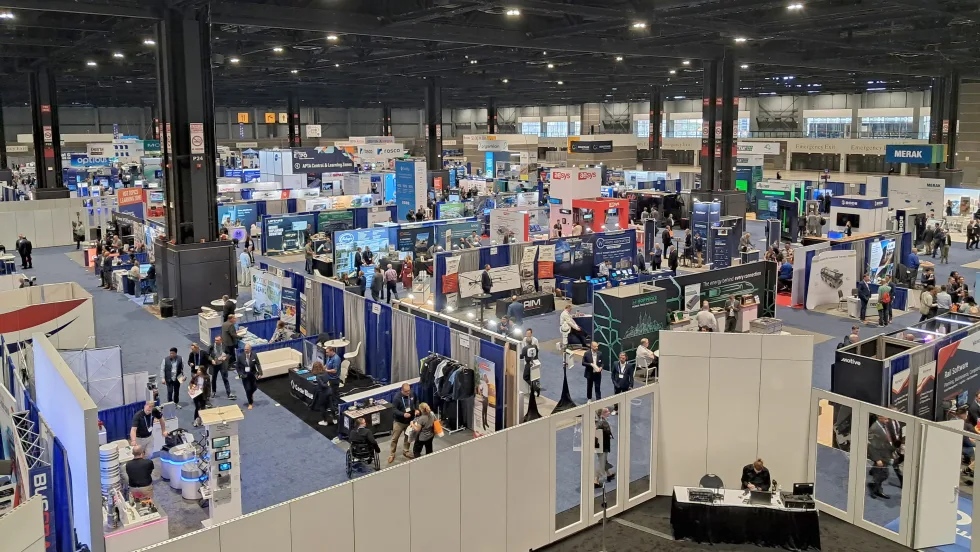
Scenes from APTA TRANSform & EXPO 2026
Transit leaders, manufacturers, and industry professionals gathered in Chicago to explore new technologies, share ideas, and discuss the future of public transportation.
Read More →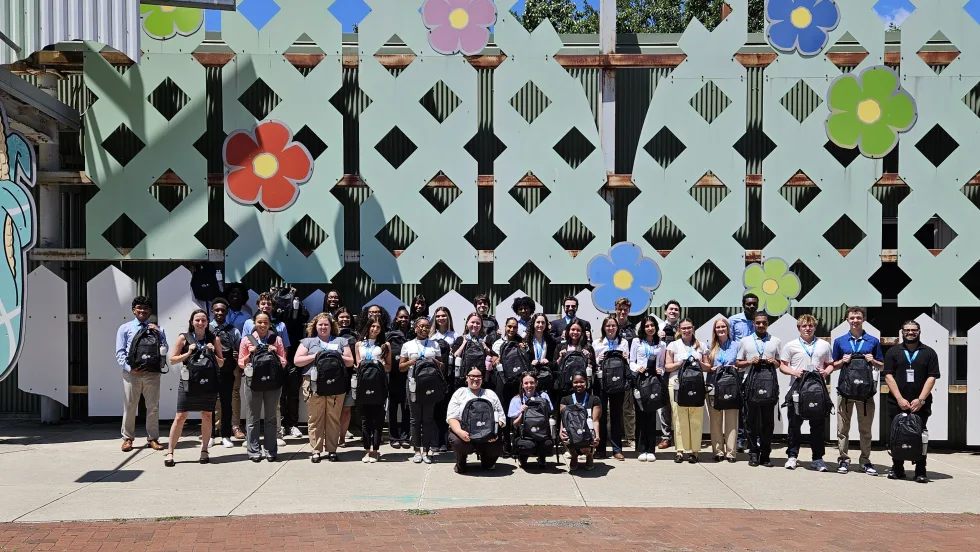
More Than a Summer Job: Building the Next Generation of Transit Talent
The Delaware River Port Authority and PATCO have transformed their internship program into a hands-on professional development experience that introduces students to the breadth of transportation careers — and creates a pipeline for future employees.
Read More →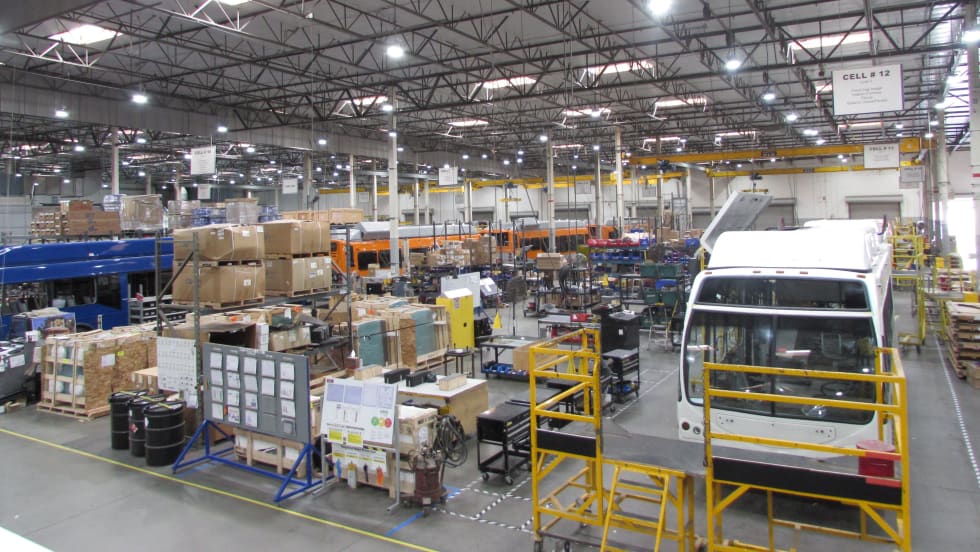
LA Metro Board Awards 220 Battery-Electric Bus Contract to ENC
The contract, which is the largest base award of battery-electric buses by a U.S. transit agency, will be built in Southern California, sustaining good jobs as LA prepares to welcome the world in 2028
Read More →
Public Transit Conference Returning to GFX in 2027, Call for Papers Now Open
The Call for Papers is now open, allowing transit agency professionals and industry experts to help shape the PTC educational program by submitting session ideas for consideration.
Read More →