



USDOT Expands TIFIA Program
The new initiative, “TIFIA 49,” authorizes borrowing up to 49% of eligible project costs for projects that meet certain eligibility requirements, helping more projects get off the ground.

The TIFIA program is designed to help project sponsors reduce costs and speed the delivery of infrastructure projects, which saves taxpayer dollars and improves transportation in communities.
USDOT
U.S. Transportation Secretary Pete Buttigieg announced the U.S. Department of Transportation’s (USDOT) Build America Bureau will offer low-cost and flexible financing for transit and Transit-oriented Development (TOD) projects at the maximum level authorized under law.
USDOT’s Transportation Infrastructure Finance and Innovation Act (TIFIA) program is designed to help project sponsors reduce costs and speed the delivery of infrastructure projects, which saves taxpayer dollars and improves transportation in communities. The new initiative, “TIFIA 49,” authorizes borrowing up to 49% of eligible project costs for projects that meet certain eligibility requirements, helping more projects get off the ground. With few exceptions, TIFIA loans have historically been capped at 33% of eligible project costs.
“There are countless promising transportation projects with the potential to better connect people to housing, jobs, schools, and more — but that never get off the ground because of a lack of financing,” said Secretary Buttigieg. “The Department of Transportation has long offered flexible, low-cost financing to help bring some of those ideas to life, and now, with TIFIA 49, we’ll be able to support more of them than ever, and lower costs for taxpayers.”
Sponsors of projects that include the activities listed below would be deemed eligible to apply for loans up to 49% of project costs under the TIFIA 49 initiative:
Transit:
Projects that are eligible for assistance under Chapter 53 of Title 49, U.S. Code.
Projects that construct or improve public transportation systems, including any capital project or associated improvement eligible for FTA funding, such as infrastructure and vehicles for bus, subway, light rail, commuter rail, trolley, or ferry systems.
Transit Oriented Development:
Projects that are eligible for assistance under 23 U.S.C. §601(a)(12)(E).
Joint development projects that involve coordinated improvement of transit infrastructure and non-transit facilities, including commercial and residential projects, which have mutual benefits and shared costs between transit agencies and developers.
Until now, the only projects eligible for financing of up to 49% included rural projects, as well as INFRA, Mega and Rural Grant “Extra” projects, which are highly-rated projects that were not granted discretionary funds due to limited resources.
The Bureau will conduct regular data-based assessments of the initiative’s effectiveness through Key Performance Indicators (KPIs) and will make changes as appropriate. In addition to financing, the Bureau also provides technical assistance for project sponsors and plans to expand outreach and technical assistance capabilities to assist project sponsors to take full advantage of this initiative.
More Management
CATS Launches West Charlotte Microtransit Zone, Expands Transit Services
The new microtransit zone connects residents to key destinations as Charlotte Area Transit System rolls out the first phase of its 2055 Transit System Plan.
Read More →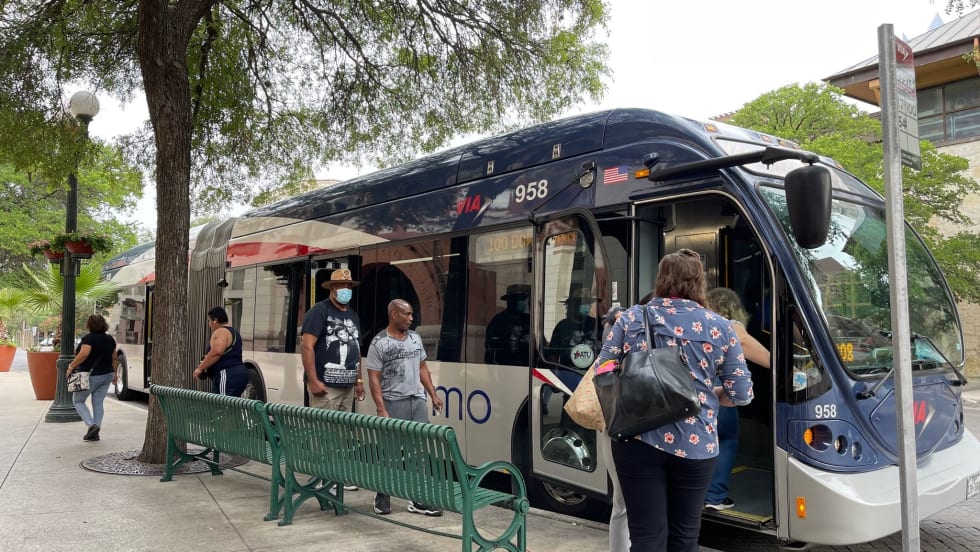
VIA Bus Ridership Grows 10.1% Through August 2026
San Antonio's VIA Metropolitan Transit reported the highest bus ridership growth among major Texas transit systems. Federal Transit Administration data ranked it second among the nation's 50 largest transit systems.
Read More →
CSA Group Releases Climate Resilience Standard for Transit, Passenger Rail
Developed with support from the Standards Council of Canada, CSA D700 guides assessing climate-related risks and planning adaptation measures for transit and passenger rail systems.
Read More →
ETA CEO John Maglio on Transit Technology, Innovation, and Building Agency Trust
ETA founder and CEO John Maglio explores the evolution of transit technology, the importance of reliable systems, and how stronger partnerships can help agencies improve operations and the passenger experience.
Read More →
COTA Launches First Customer Experience Action Plan to Improve Transit Service
The new plan outlines improvements to service reliability, accessibility, communication, and the overall rider experience across Central Ohio's transit system.
Read More →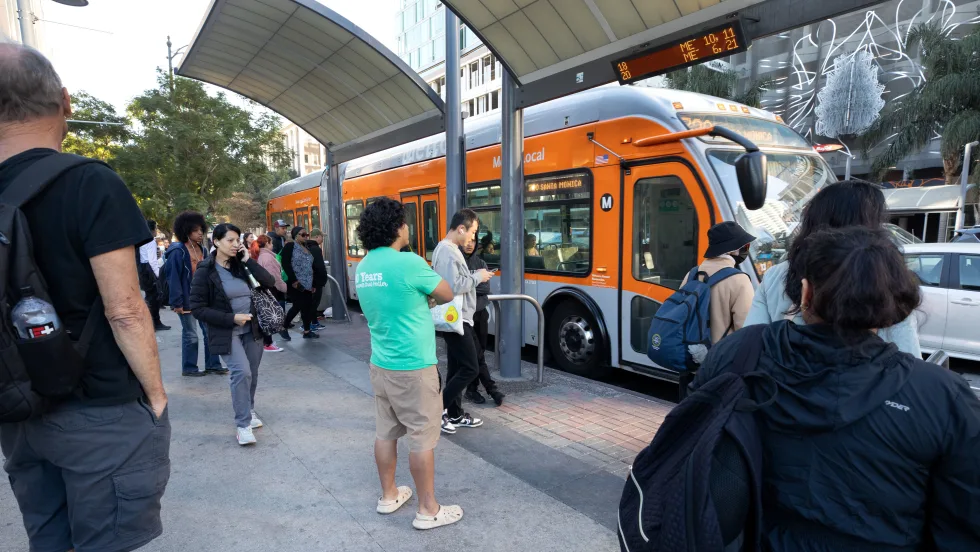
LA Metro September Ridership Climbs 3.9%, Led by Rail Growth
The agency recorded more than 27.2 million boardings, with rail ridership increasing 12.4% year over year and the D Line posting the largest gains.
Read More →
Utilimarc Launches SmartReplace to Optimize Fleet Replacement Decisions
AI-powered SmartReplace helps fleets prioritize vehicle replacements, model budget scenarios, and build more defensible long-term strategies.
Read More →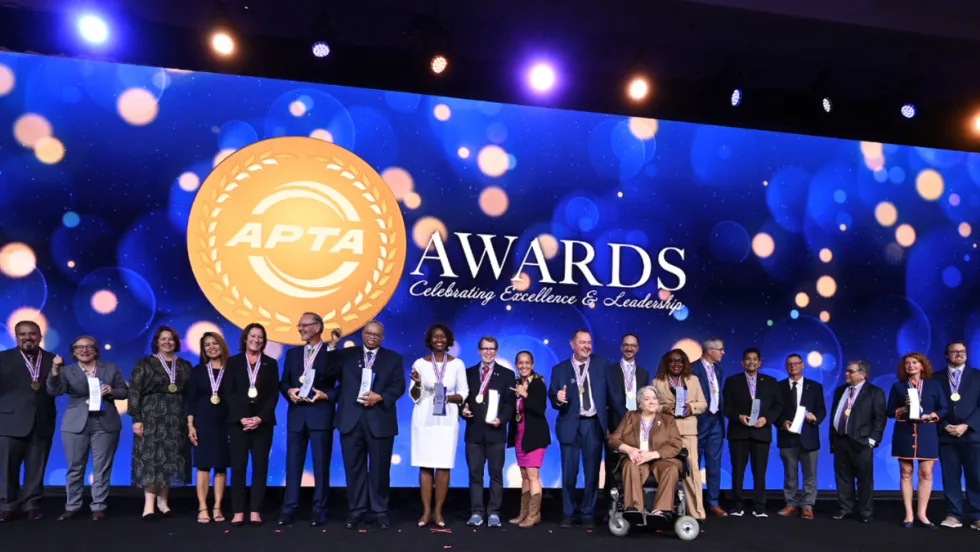
APTA Honors 2026 Award Winners, Hall of Fame Inductees at TRANSform & EXPO
Innovations in autonomous and zero-emission transportation, standout transit systems, and industry leadership took center stage among this year's honorees.
Read More →
7 Ways to Build a Better Transit Internship Program
Lessons from DRPA/PATCO’s approach to creating a meaningful internship experience—and developing the next generation of transportation professionals.
Read More →
Scenes from APTA TRANSform & EXPO 2026
Transit leaders, manufacturers, and industry professionals gathered in Chicago to explore new technologies, share ideas, and discuss the future of public transportation.
Read More →