



UWM campus installs 2 electric vehicle fast-charge stations
The two new DC stations, provided by ABB Inc., will charge electric vehicles in 30 to 90 minutes. These plug-in charge stations will work for the Nissan LEAF and Mitsubishi i-MiEV.

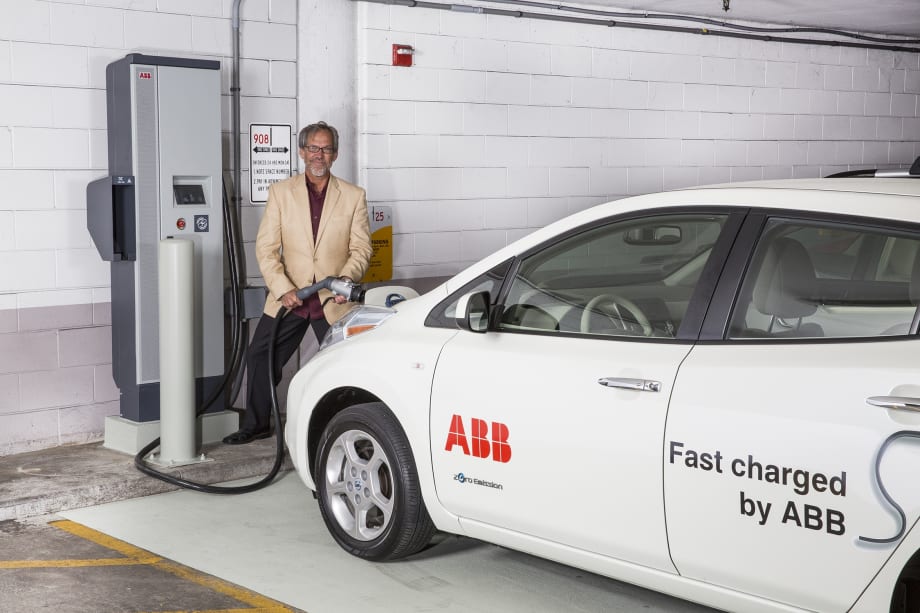

With the rise in the numbers of electric vehicles (EVs), the proliferation of local charge stations is becoming important in enhancing range confidence to maximize the benefits of all-electric driving.
With support from Nissan and ABB Inc., the University of Wisconsin-Milwaukee (UWM) has installed two EV fast chargers on their campus for public use.
The two new UWM stations are the first EV fast-charge stations in Milwaukee County. They bring the number of fast-charge stations in Wisconsin to four: ABB offers one to the general public at its New Berlin facility and another is available in Madison.
The two new DC stations, which will charge EVs in 30 to 90 minutes, are the latest addition to UWM’s other two AC charge stations. The AC stations take between four and eight hours to charge a vehicle, says Mike Priem, a senior facilities planning specialist in UWM’s Parking & Transportation division.
These plug-in charge stations will work for the Nissan LEAF and Mitsubishi i-MiEV. They will charge a Nissan LEAF to 80% in about 30 minutes.
“Nissan’s is the EV sales leader with more than 50,000 LEAFs on American roads today,” says Brendan Jones, director, EV Sales and Infrastructure Strategy. “Nissan is also making substantial investments in EV infrastructure such as these new fast chargers at the University of Wisconsin-Milwaukee to support EV drivers in markets across the United States.”
Wisconsin-based ABB produces automation products, such as the charging station equipment.
ABB also manufactures higher kilowatt chargers that can do the job in only 15 to 20 minutes, but the units installed at UWM are suitable for students, staff and faculty who are going into the Klotsche Center & Pavilion for a workout or running to a class, says Heather Flanagan, ABB’s marketing communications manager for electric vehicle charging infrastructure.
“It’s all about what makes most sense in each particular use case,” says Flanagan. “For example you wouldn’t require a high-voltage quick charge unit at home. But they become much more necessary around town to enable greater driving range.”
Located on the first levels of both the parking structure under the Engineering Math Sciences (EMS) building and the Klotsche Center & Pavilion structure, the fast-charge stations are available for use by anyone. There is no cost, except for the cost to park.
The existing longer-term charge stations on campus include one in the Northwest Quad lot and another in the EMS parking structure, which are also available to the general public.
More Technology
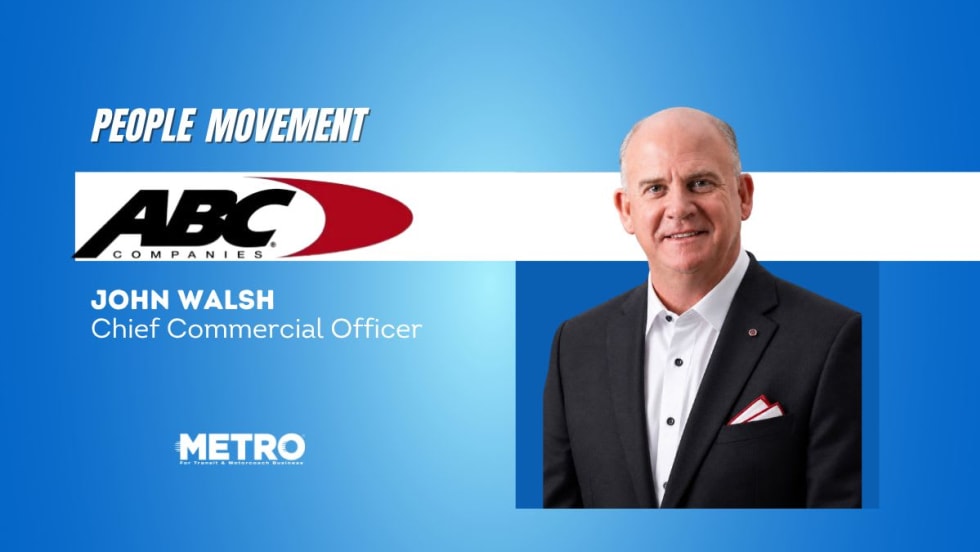
People Movement: ABC Names John Walsh as Chief Commercial Officer
In this edition, METRO also covers recent appointments and announcements at the DART, STV, and more, showcasing the individuals helping to shape the future of transportation.
Read More →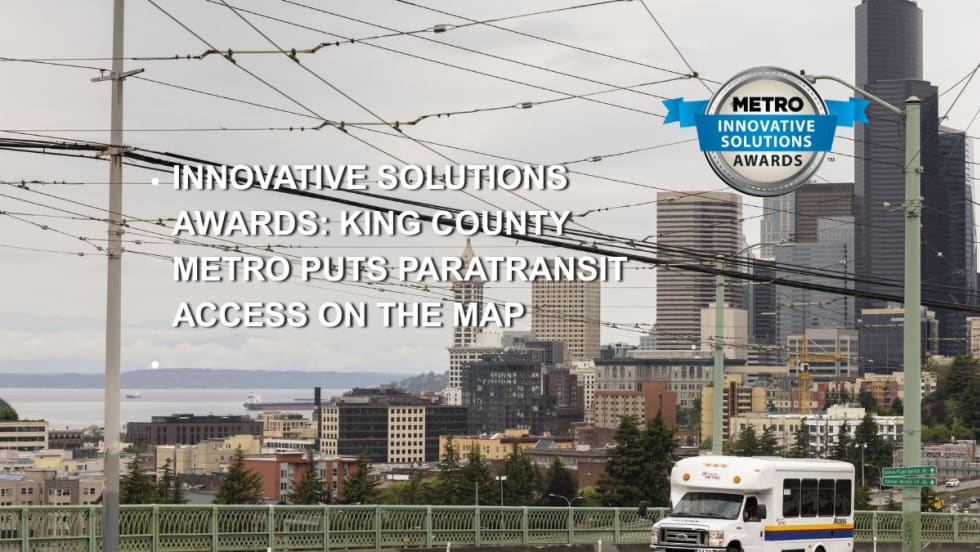
King County Metro Makes ADA Paratransit Easier to Navigate
METRO's Innovative Solutions Award winner replaces complex service-area descriptions with an accessible, interactive map that puts paratransit information directly in customers’ hands.
Read More →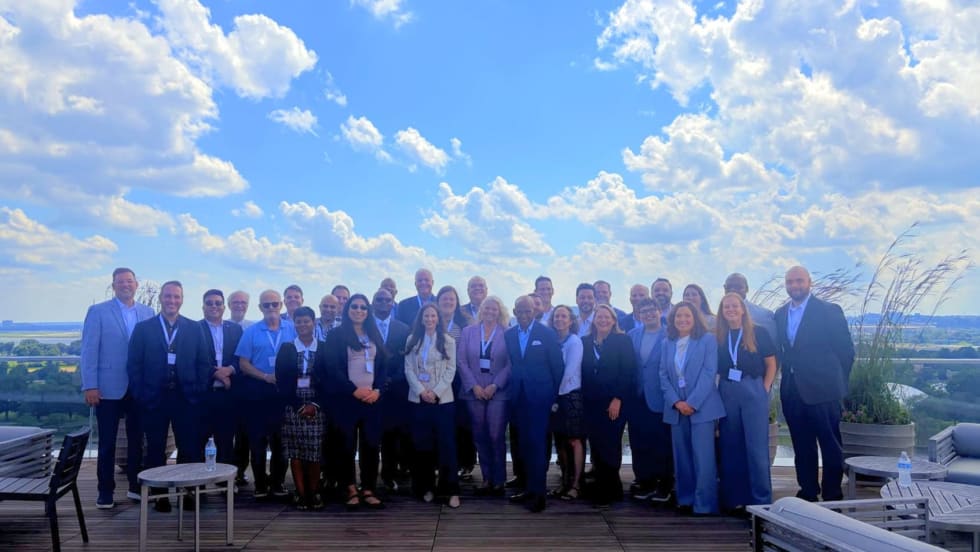
TransDASH Summit Focuses on Measuring What Matters in Transit
Transit agencies unveil a national performance platform designed to benchmark customer experience, safety, community value, and other outcomes.
Read More →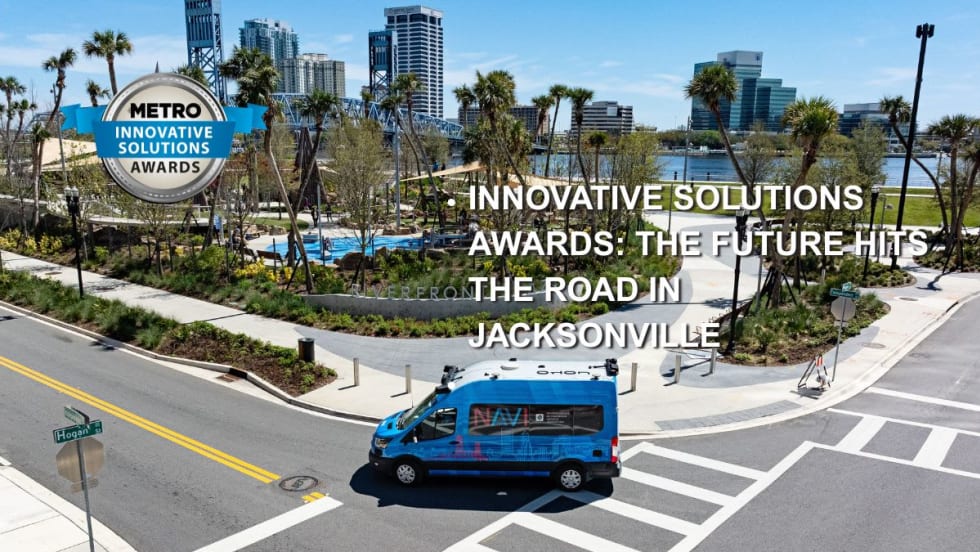
Jacksonville’s NAVI Project Charts a New Course for Autonomous Public Transportation
Through its NAVI program, JTA is showing how autonomous vehicles, intelligent infrastructure, and coordinated operations can work together to deliver everyday public transportation.
Read More →
Biz Briefs: Luminator Marks Milestone and More
From manufacturers and suppliers to transit agencies and motorcoach operators, these updates offer a snapshot of the projects, partnerships and business moves driving the industry forward.
Read More →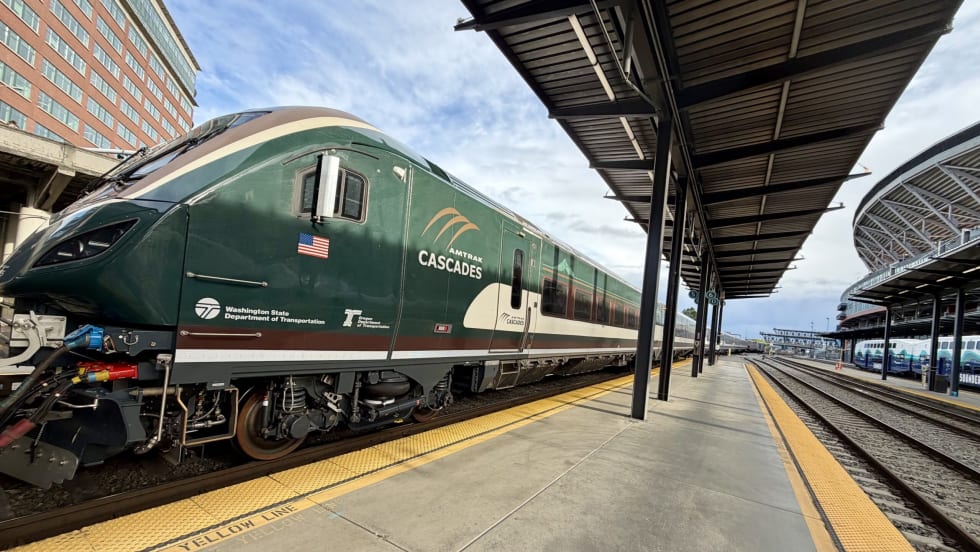
FRA Announces $5.3B in Rail Investments, Including $2B for Amtrak
Funding will support grade-crossing improvements, infrastructure upgrades, and new Amtrak equipment in 23 states.
Read More →
Finding the ‘Happy Medium’: Optimizing Maintenance Without Sacrificing Reliability
The key to maintenance optimization isn’t doing less work—it’s doing the right work at the right time on the right assets.
Read More →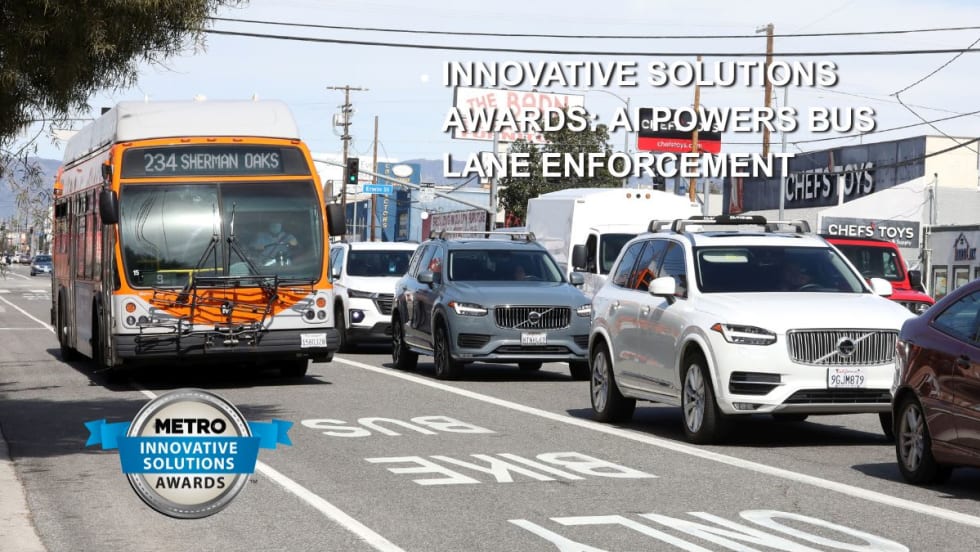
LA Metro, City of West Hollywood, and Partners Advance Smarter Bus Lane Enforcement
The award-winning partnership combines AI-powered detection with human oversight to improve bus reliability, accessibility, and enforcement efficiency.
Read More →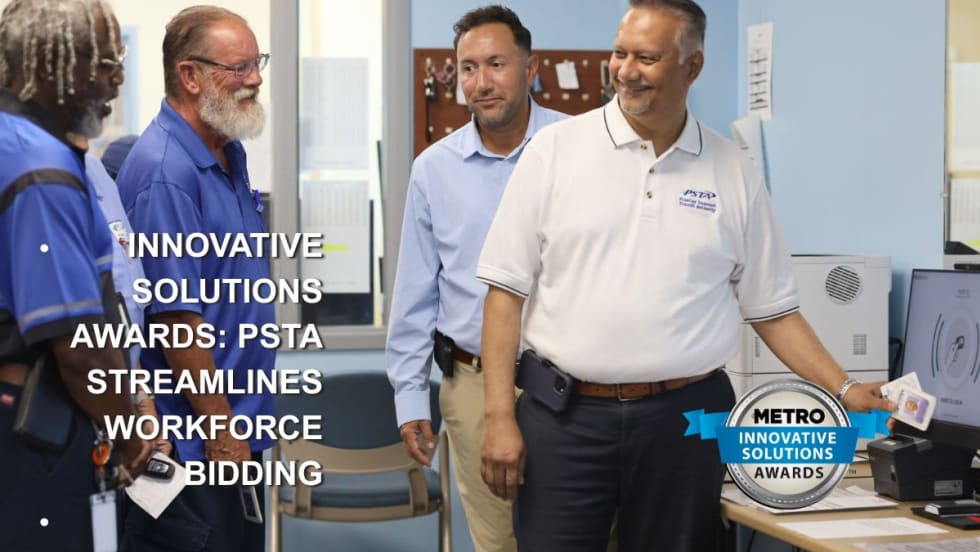
PSTA Modernizes Workforce Management with Digital Bidding System
The award-winning Workforce Transit Modernization project replaced paper bidding with a transparent digital platform, cutting administrative effort while improving access for operators.
Read More →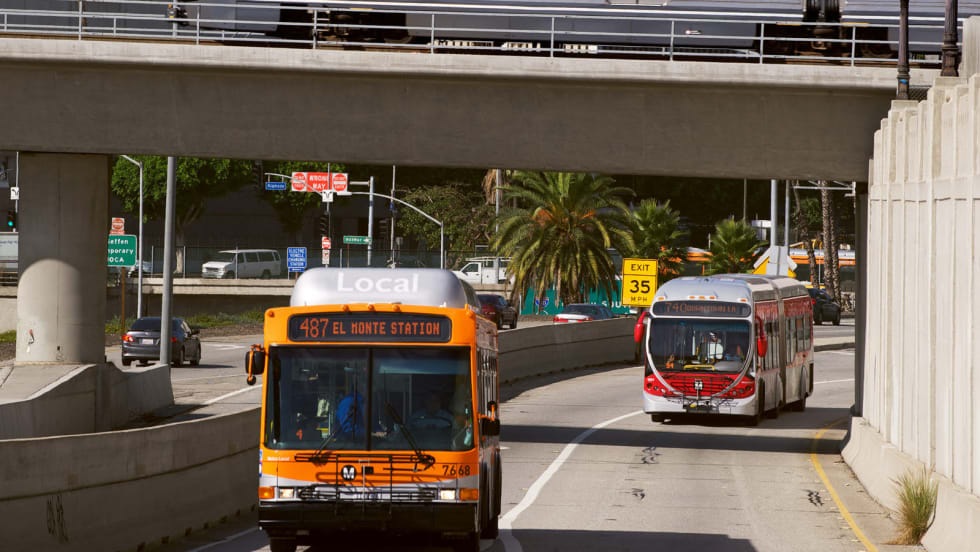
New Tricks for Old Bureaucracies: Joshua Schank on Making Transit Innovation Stick
Former LA Metro Chief Innovation Officer Joshua Schank discusses why good ideas aren't enough, how transit agencies can overcome resistance to change, and why today's challenges demand more innovation.
Read More →