




RELATED: VIA's new CNG fueling station largest in North America
VIA's plan for future calls for more frequent bus service, innovation
The agency is investing in frequency and reliability for key corridors throughout the service area.
March 29, 2019
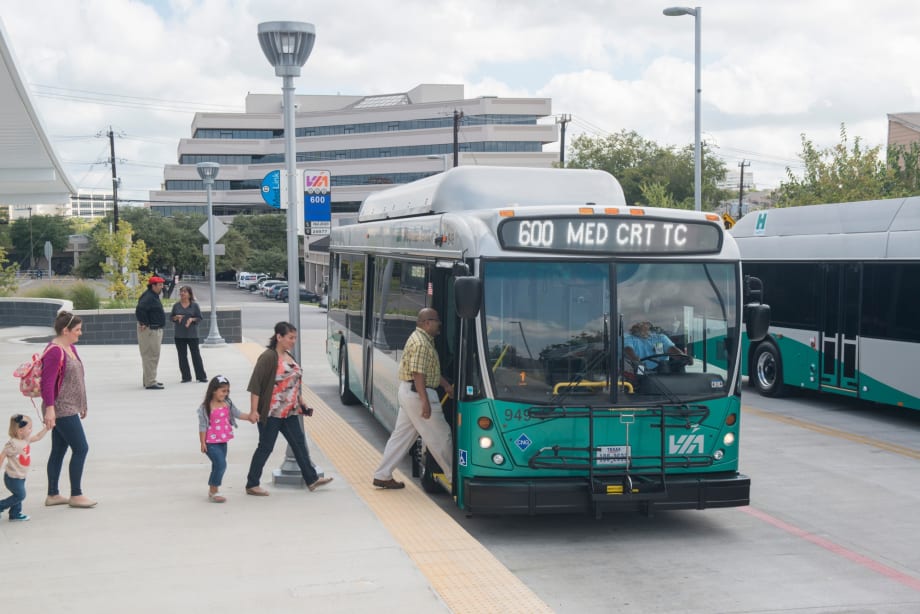
VIA Reimagined builds on VIA’s Vision 2040 Long-Range Plan and people-driven findings to see beyond the current system where the majority of its bus routes run at a 45- to 60-minute frequency.
VIA
3 min to read
VIA Reimagined builds on VIA’s Vision 2040 Long-Range Plan and people-driven findings to see beyond the current system where the majority of its bus routes run at a 45- to 60-minute frequency.
VIA
VIA Metropolitan Transit is signaling a new direction for public transit in San Antonio with a plan to address community-identified needs and deliver solutions to stay mobile on increasingly congested roadways.
During the annual “State of Transit” event, hosted by the San Antonio Mobility Coalition, VIA President/CEO Jeffrey C. Arndt introduced the “VIA Reimagined” Plan and challenged the audience of nearly 400 to envision a future with more frequent bus service, a rapid transit network that bypasses traffic, and innovative solutions that offer faster, easier options — a future that has already arrived.
VIA has already begun to deliver on the VIA Reimagined promise of a Better Bus System and is seeing more people ride today than even a year ago. The agency is investing in frequency and reliability for key corridors throughout the service area and has reported a significant increase in ridership — up to 30% — on improved routes.
VIA Reimagined builds on VIA’s Vision 2040 Long-Range Plan and people-driven findings to see beyond the current system where the majority of its bus routes run at a 45- to 60-minute frequency. It builds on improvements that have already been delivered, including more than 1,000 new or improved bus shelters and a new trip-planning and payment app. New high-frequency Prímo service and shorter waits on nearly 20 routes are also now a reality.
A Better Bus System will continue these improvements while increasing systemwide reliability. An Advanced Rapid Transit Network, or ART, will connect the region’s major community and employment centers along a network of dedicated lanes that allow modern, high-capacity vehicles to navigate around traffic. Advanced technology will speed boarding and trip times and provide flexibility for future innovation.
VIA Reimagined is the transformative plan needed to accommodate unprecedented growth in the region. It provides a blueprint that does not aim to eliminate traffic but envisions a transportation network with the freedom to move outside of traffic.
VIA says that implementing the plan will require a strong commitment to investing in the region’s future, including exploring a combination of new or increased funding sources, beyond existing levels. Delivering a Better Bus System, and Advanced Rapid Transit Network, and Smart Transit improvements, means additional capital and operating funds. The plan proposes a combination of traditional sources and strategic partnerships in the public and private sector that could bridge the gap between the growing need for better transit options and the resources to provide them.
For its first 40 years, VIA operations have been funded by a half-cent sales tax approved by voters in 1977. VIA is the least-funded major transit provider in Texas, lagging billions of dollars behind Austin, Houston, and Dallas, but covering the same or larger service area. The result is a less-effective system that is being outpaced by new growth — more than one million people in the next 20 years — and a more modern transit system just out of reach.
More New Mobility

ENC Unveils ZAVIR Medium-Duty Electric Shuttle at APTA EXPO
The new ZAVIR brand targets shuttle and paratransit operations with battery-electric and range-extended electric vehicle options.
Read More →
Public Transit Conference Returning to GFX in 2027, Call for Papers Now Open
The Call for Papers is now open, allowing transit agency professionals and industry experts to help shape the PTC educational program by submitting session ideas for consideration.
Read More →
Everett Transit, Community Transit Outline Consolidation Agreement
The proposed agreement calls for a 50% increase in bus service in Everett, a new microtransit zone, continued paratransit service, and the transfer of Everett Transit operations to Community Transit.
Read More →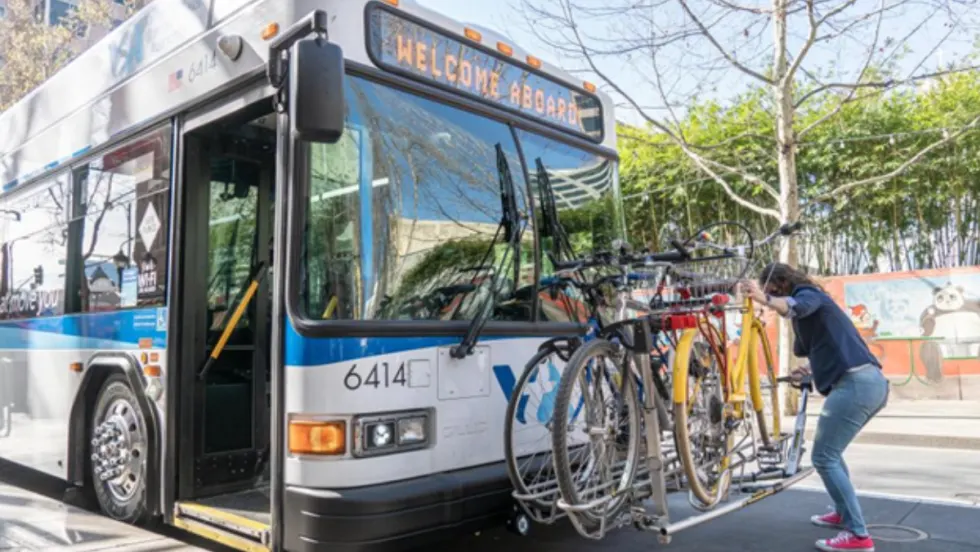
What Multimodal Data Can Tell Transit Agencies About Rider Demand
See how bike-on-bus data is giving transit agencies new insight into rider demand, capacity constraints, and gaps in first- and last-mile connections.
Read More →
From Hardware to Digital Partner: Luminator Charts Its Next Chapter
CEO Magnus Friberg discusses Luminator’s shift toward becoming a digital partner, the growing importance of software and interoperability, and how AI can help agencies improve operations and passenger experience.
Read More →
Biz Briefs: Alstom Lands Canadian Contract, LYT to Supply California TSP, and More
In METRO's latest installment, we take a look at recent news from Complete Coach Works, Beep, FlixBus, and more partnerships making headlines across the transportation sector.
Read More →
CharterUP’s Armir Harris on Technology, AI, and the Future of Group Mobility
In a recent episode of METROspectives, CharterUP Founder/CEO Armir Harris discussed the company’s evolution from an online charter bus marketplace into a technology platform supporting public- and private-sector mobility and much more.
Read More →
Jacksonville’s NAVI Project Charts a New Course for Autonomous Public Transportation
Through its NAVI program, JTA is showing how autonomous vehicles, intelligent infrastructure, and coordinated operations can work together to deliver everyday public transportation.
Read More →
Biz Briefs: Luminator Marks Milestone and More
From manufacturers and suppliers to transit agencies and motorcoach operators, these updates offer a snapshot of the projects, partnerships and business moves driving the industry forward.
Read More →
New Tricks for Old Bureaucracies: Joshua Schank on Making Transit Innovation Stick
Former LA Metro Chief Innovation Officer Joshua Schank discusses why good ideas aren't enough, how transit agencies can overcome resistance to change, and why today's challenges demand more innovation.
Read More →