



Voith to Supply Electric Drive System for Converted TriMet Bus
With the VEDS powering the bus, TriMet will be extensively evaluating system capabilities that can increase range up to 25% higher than other electric drive systems with similar sized battery packs in the North American market.
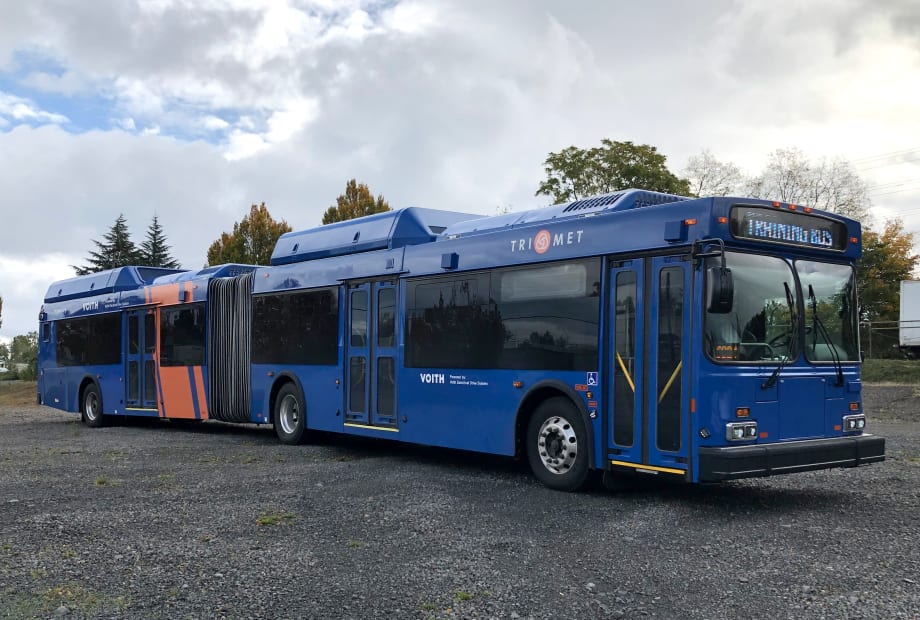
With the VEDS powering the bus, TriMet will be extensively evaluating system capabilities that can increase range up to 25% higher than other electric drive systems with similar sized battery packs in the North American market.
Voith
Portland, Ore.’s TriMet recently received its first refurbished city bus with a Voith Electrical Drive System (VEDS). The 60-foot articulated New Flyer bus was converted from a conventional bus with an internal combustion engine to a fully electric vehicle supplied by Complete Coach Works (CCW).
With the VEDS powering the bus, TriMet will be extensively evaluating system capabilities that can increase range up to 25% higher than other electric drive systems with similar sized battery packs in the North American market. This way, they hope to operate an articulated electric bus on longer routes throughout the entire service day. TriMet will be the first operator to deploy the system in the U.S. The prototype of a converted articulated bus was delivered to TriMet end of September. The agency has begun extensive testing and evaluation of the technology on Portland metro area’s terrain.
“Transit already helps reduce emissions every time a person chooses a shared ride rather than driving alone, but TriMet is committed to reducing our own carbon footprint,” says Sam Desue Jr., GM at TriMet. “As we work to transition to a clean energy bus fleet by 2040, we are pulling out all the stops in finding and testing zero emissions technology that will allow us to continue providing reliable transit service for our community.”
In this case, the Voith E-Drive was fully imported. Voith already has plans to have the VEDS “Buy America” compliant for further projects soon. The concept supports battery systems from a wide range of manufacturers and is also enabled for use in fuel cell electric vehicle drivetrains. Thanks to its compact design, the VEDS requires no additional installation space in chassis designed for combustion engines. It is therefore very easy to convert existing vehicle fleets with conventional diesel, hybrid, or gas drives. The system is based on a powerful, water-cooled, permanent magnet motor with a high-efficiency inverter. There is no need for a separate transmission, resulting in a positive effect on power availability, energy consumption, range, and noise emissions. The basis for these benefits is the integrated approach of the VEDS. All system components have been perfectly matched to one another from the beginning and work together optimally. This facilitates integration into the vehicle and ensures a high level of reliability. The VEDS can also be used flexibly in various platforms.
From Nov. 8 to 10, Voith will be showcasing the VEDS at APTA Expo in Orlando, Fla.
More Zero Emissions
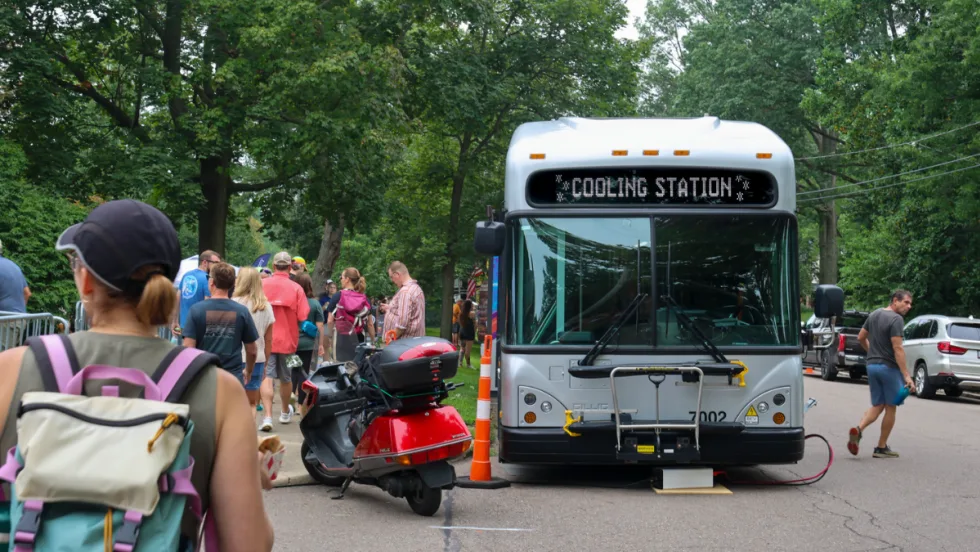
Ohio’s METRO RTA Turns Electric Buses into Mobile Power Sources at PorchROKR
See how three Gillig battery-electric buses powered festival stages while the agency’s new Park & Ride service carried approximately 1,000 attendees, demonstrating another potential use for transit agencies’ electric fleets.
Read More →
CALSTART and Forth Combine to Form Catalyst Mobility
The new name represents a renewed vision for the nonprofit focused on advancing clean, equitable, and affordable transportation solutions that move people and goods.
Read More →
Building a Flexible Path to Transit Electrification
John Hroncich discusses BAE Systems’ modular and scalable approach, lessons learned from decades of real-world operations, and how agencies can identify electrification strategies that fit their fleets.
Read More →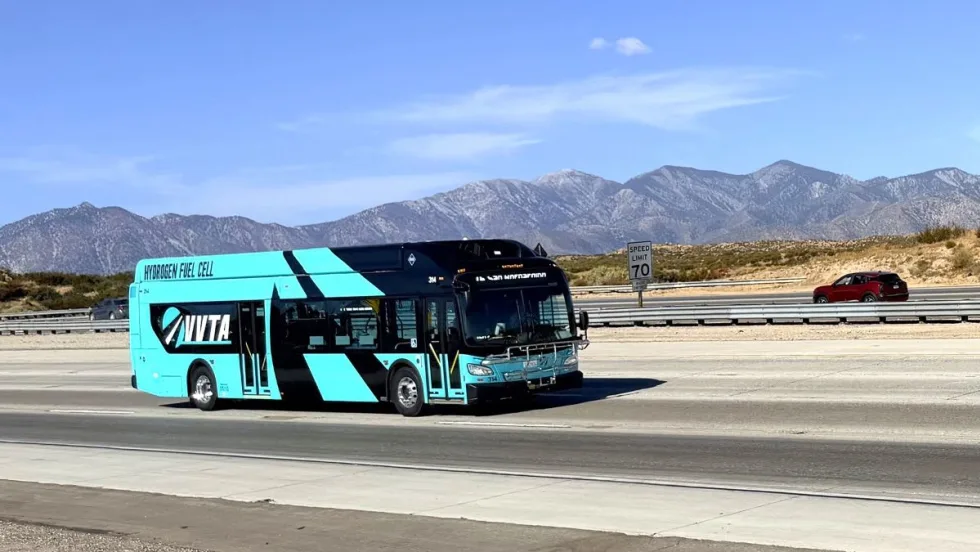
California's VVTA Begins Phased Rollout of Hydrogen Fuel Cell Buses
The agency is introducing 13 zero-emission buses into revenue service while evaluating performance across its urban, rural, and long-distance routes.
Read More →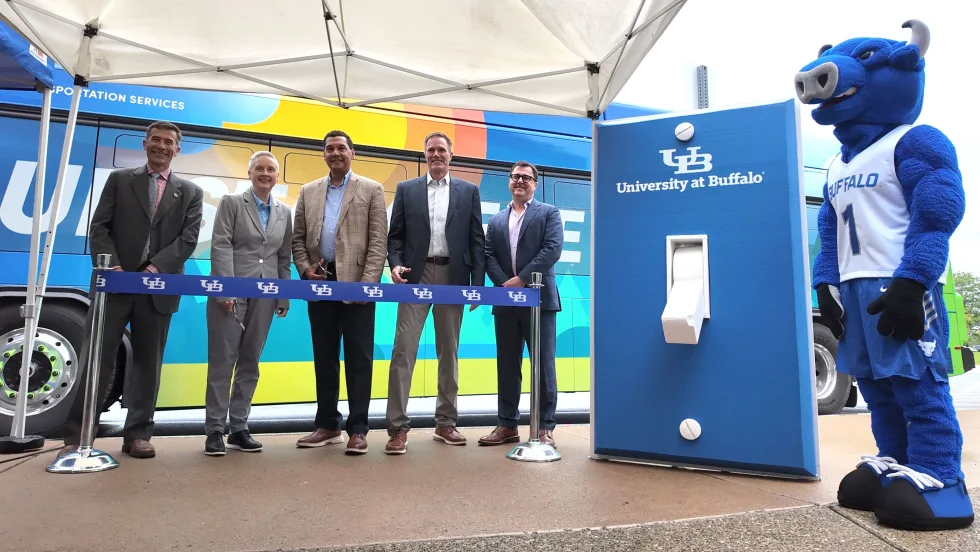
Inside Look: University at Buffalo Puts First 8 Electric Buses Into Stampede Service
UB, transportation solutions provider WeDriveU, and fleet electrification specialist Zenobē marked the deployment in the presence of students, university administrators, and local officials.
Read More →
Biz Briefs: OCTA Taps Clean Energy for Hydrogen Station, Stadler to Supply Via Rail Vehicles, and More
From manufacturers and suppliers to transit agencies and motorcoach operators, these updates offer a snapshot of the projects, partnerships and business moves driving the industry forward.
Read More →
AC Transit’s Cecil Blandon on Building the Next Generation of Transit Maintenance Leaders
The agency’s maintenance chief discusses leadership, workforce development, zero-emission technology, and preparing technicians for the future of public transportation.
Read More →
CTDOT Taps STV for Electric Bus Facility Design
The firm will work with CTDOT and RVT to define the facility layout, operational requirements, and long-term flexibility for RVT’s growing electric fleet.
Read More →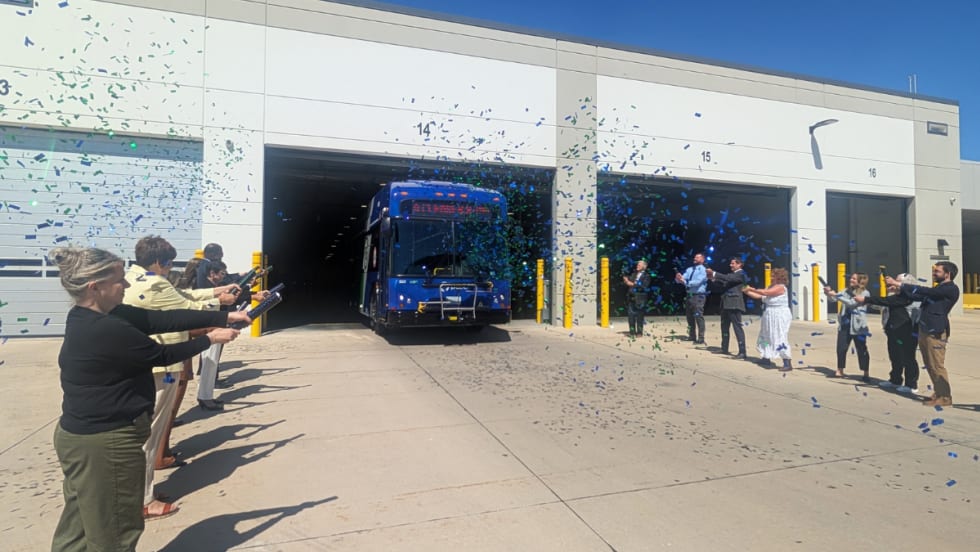
Chicago’s Pace Deploys 24 Hybrid-Electric Buses in Will County
The new buses reduce emissions and fuel consumption while advancing the agency's long-term goal of transitioning to a fully zero-emission fleet.
Read More →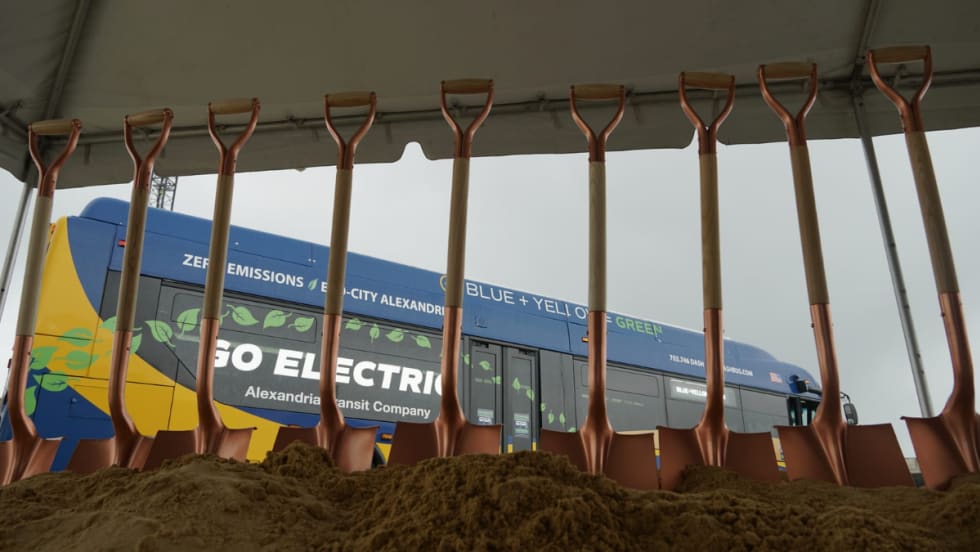
DASH Breaks Ground on First On-Route Electric Bus Chargers in D.C. Region
The fast-charging infrastructure will help extend electric bus range, improve fleet utilization, and support DASH's goal of transitioning to a fully zero-emission fleet.
Read More →