



VTA Partners with Proterra, Scale Microgrid Solutions to Charge 34 Electric Buses
Expected to come online in late 2023, the project showcases how clean energy paired with fleet-scale EV charging can enable the adoption of fully-electric vehicle fleets.
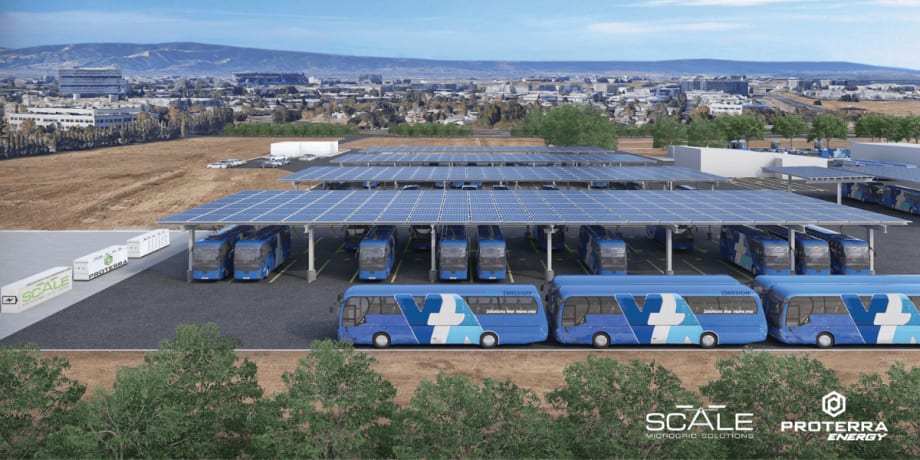
VTA will install a clean energy microgrid and charging system with Proterra and Scale Microgrid Solutions.
Photo: VTA
The Santa Clara Valley Transportation Authority (VTA) announced it will install a clean energy microgrid and EV fleet charging system with Proterra and Scale Microgrid Solutions to help power the agency’s transition to a 100% zero-emission bus fleet.
This news follows a grant that was awarded for the project by the California Energy Commission.
In the event of an extended power outage, such as a public safety power shutoff, electricity stored in the microgrid’s battery storage system can provide back-up power at VTA’s Cerone bus yard to allow the agency to continue operating battery-electric buses, serving riders, and providing emergency transport if needed.
“If the lights go out, transit agencies and fleet operators need to know that their electric vehicles will be there for the communities they serve,” said Chris Bailey, president of Proterra Powered & Energy. “We’re excited to bring local clean energy and EV fleet charging to help VTA power through outages to deliver essential transportation services as they transition to a zero-emission bus fleet.”
The solar PV and battery energy storage system will give VTA operational flexibility on when to purchase the utility power needed to charge its vehicle fleet. This will save the agency on its electricity costs and further reducing its total operating costs compared to continued diesel bus operations.
“California’s electric grid needs distributed energy resources in order to support fully electrifying its transportation sector,” said Tim Victor of Scale Microgrid Solutions. “The system we are deploying for VTA will set the example of how distributed energy will alleviate many of the risks associated with the energy transition and provide cleaner, cheaper and more reliable charging power.”
Expected to come online in late 2023, the project showcases how clean energy paired with fleet-scale EV charging can enable the adoption of fully-electric vehicle fleets and further reduce greenhouse gas emissions.
“This project combines several VTA goals. It shifts us toward greener sources of energy, saves VTA money that can be reallocated to other operating needs and provides the infrastructure to charge our next batch of zero-emission buses," said Adam Burger, senior transportation planner with VTA. "Our riders will benefit from a newer, quieter fleet and we will decrease our contribution toward climate change and poor air quality."
More Zero Emissions

Report: Transit Bus Manufacturing Supports 34,100 Jobs, $5.1B in GDP
The “Buses Mean Business” report examines the transit bus manufacturing industry’s economic footprint, supply chain, and rising demand for vehicle replacements.
Read More →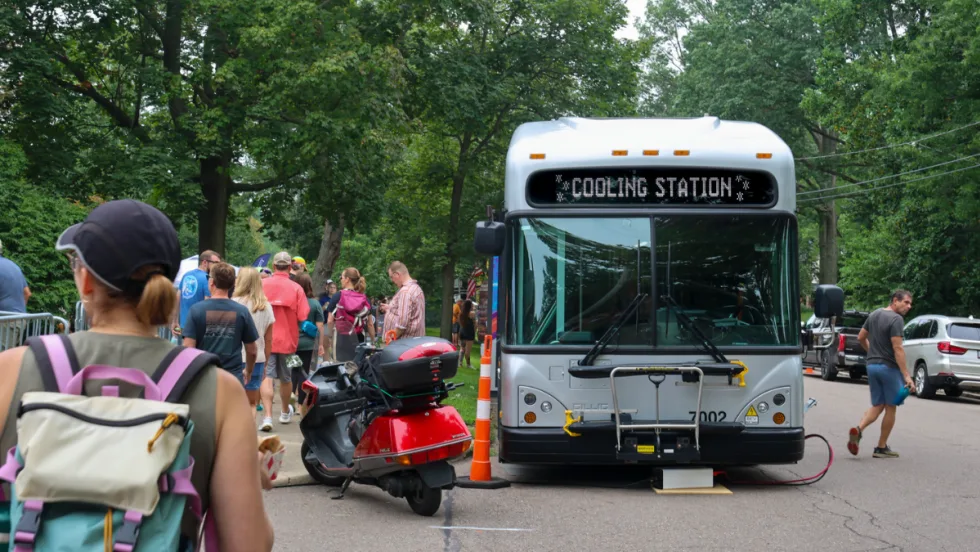
Ohio’s METRO RTA Turns Electric Buses into Mobile Power Sources at PorchROKR
See how three Gillig battery-electric buses powered festival stages while the agency’s new Park & Ride service carried approximately 1,000 attendees, demonstrating another potential use for transit agencies’ electric fleets.
Read More →
CALSTART and Forth Combine to Form Catalyst Mobility
The new name represents a renewed vision for the nonprofit focused on advancing clean, equitable, and affordable transportation solutions that move people and goods.
Read More →
Building a Flexible Path to Transit Electrification
John Hroncich discusses BAE Systems’ modular and scalable approach, lessons learned from decades of real-world operations, and how agencies can identify electrification strategies that fit their fleets.
Read More →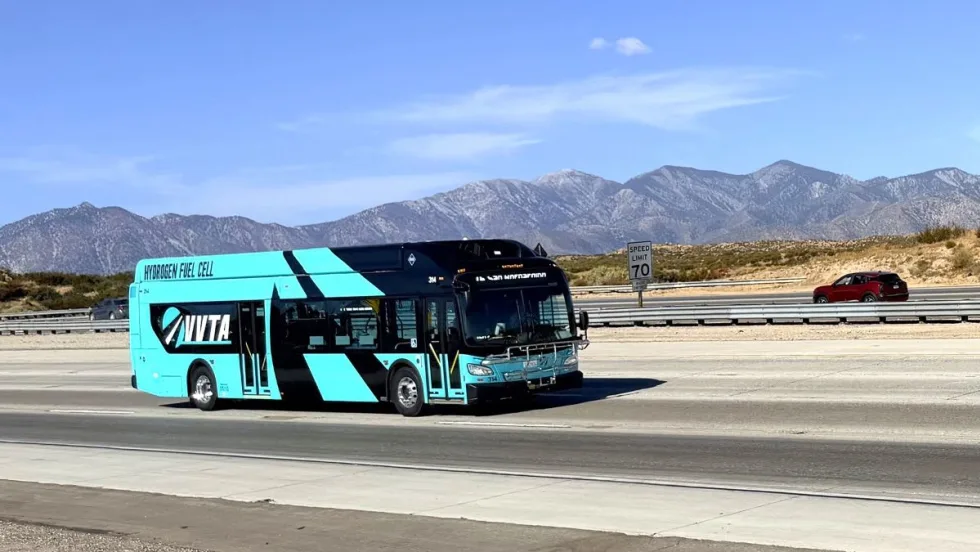
California's VVTA Begins Phased Rollout of Hydrogen Fuel Cell Buses
The agency is introducing 13 zero-emission buses into revenue service while evaluating performance across its urban, rural, and long-distance routes.
Read More →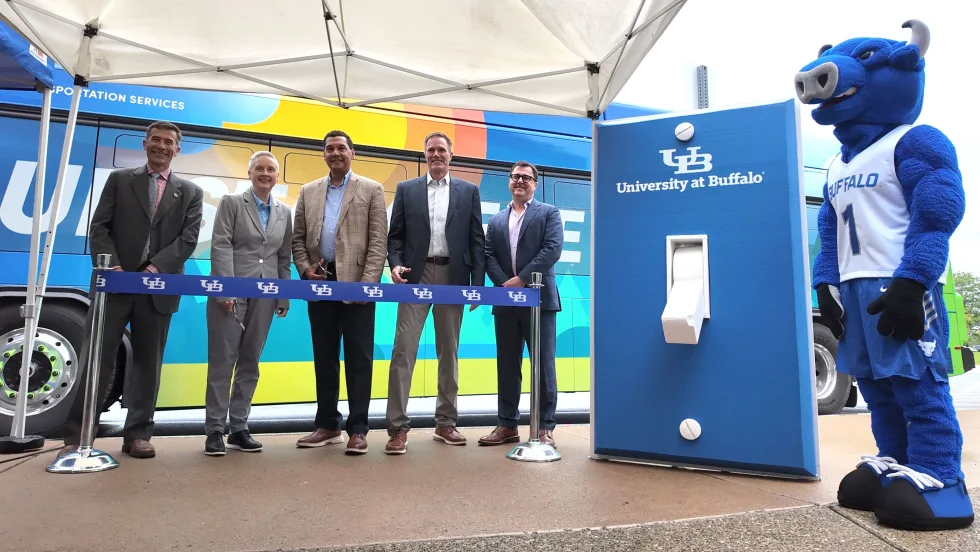
Inside Look: University at Buffalo Puts First 8 Electric Buses Into Stampede Service
UB, transportation solutions provider WeDriveU, and fleet electrification specialist Zenobē marked the deployment in the presence of students, university administrators, and local officials.
Read More →
Biz Briefs: OCTA Taps Clean Energy for Hydrogen Station, Stadler to Supply Via Rail Vehicles, and More
From manufacturers and suppliers to transit agencies and motorcoach operators, these updates offer a snapshot of the projects, partnerships and business moves driving the industry forward.
Read More →
AC Transit’s Cecil Blandon on Building the Next Generation of Transit Maintenance Leaders
The agency’s maintenance chief discusses leadership, workforce development, zero-emission technology, and preparing technicians for the future of public transportation.
Read More →
CTDOT Taps STV for Electric Bus Facility Design
The firm will work with CTDOT and RVT to define the facility layout, operational requirements, and long-term flexibility for RVT’s growing electric fleet.
Read More →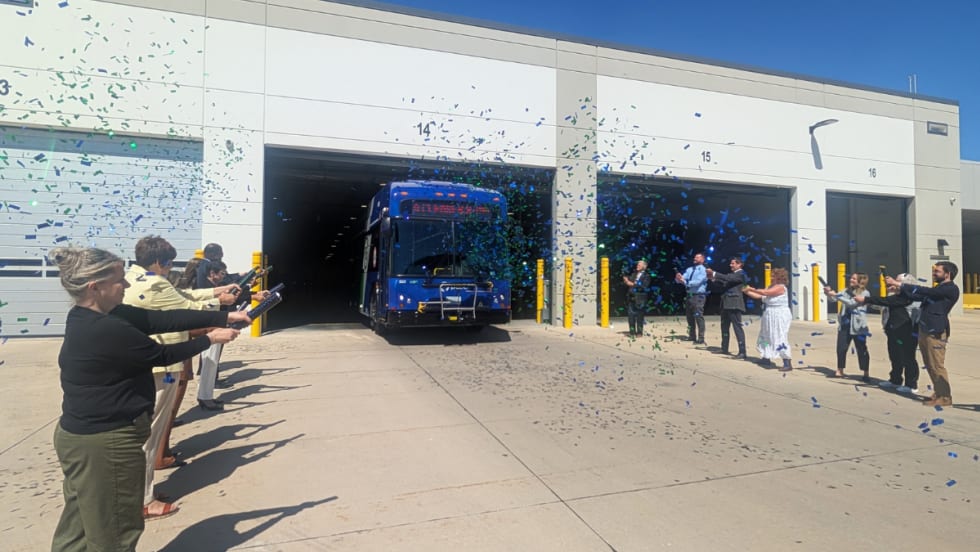
Chicago’s Pace Deploys 24 Hybrid-Electric Buses in Will County
The new buses reduce emissions and fuel consumption while advancing the agency's long-term goal of transitioning to a fully zero-emission fleet.
Read More →