



Washington's C-TRAN Ridership Grows for 3rd Year in a Row
Overall, ridership remains below pre-pandemic levels for C-TRAN and other transit agencies.

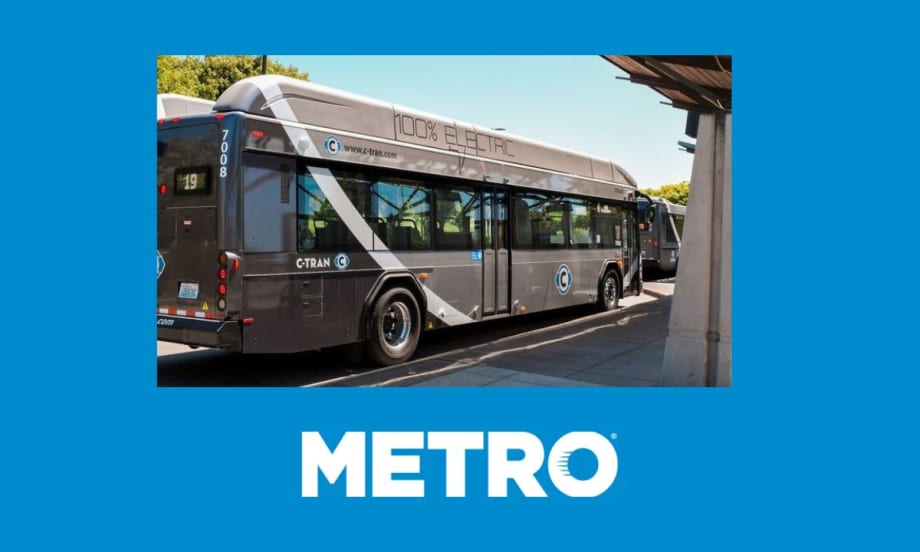
As ridership grows, C-TRAN will continue to look for ways to make service investments to reflect that demand while providing new opportunities and connections in the region.
Photo: C-TRAN
Vancouver, Wash.’s C-TRAN reported its total ridership reached nearly five million in 2024, trending upward for the third consecutive year.
The preliminary total of 4,965,677 trips was a 10% increase over 2023.
C-TRAN’s Ridership Growth
Overall, ridership remains below pre-pandemic levels for C-TRAN and other transit agencies. But as new and returning riders step on board, and travel patterns shift, some individual C-TRAN routes have already surpassed pre-pandemic levels.
“It’s encouraging to see ridership grow at such a strong pace, and that’s a testament to the importance of public transit in our community,” said Leann Caver, C-TRAN’s CEO. “We know that travel patterns today don’t look like they did five years ago. That’s why we’re constantly evolving to meet the needs of our riders.”
Additional Ridership Trends
Total ridership includes all fixed-route bus service, C-VAN paratransit service, The Current, Vanpool and special event service. Most individual routes saw year-over-year increases from 2023 to 2024.
Other notable trends in 2024:
The Vine on Fourth Plain remains C-TRAN’s busiest route, carrying more than one million trips last year.
The Vine on Mill Plain, in its first full year of service, carried more than 740,000 trips, and remains C-TRAN’s second-busiest route.
Route 48, serving Ridgefield, saw an 86% increase in ridership compared to 2023. The route was also recently expanded to serve La Center.
Across Local routes within Clark County, average weekday ridership is near the 2019 average of roughly 15,000 trips per day.
Systemwide, weekend ridership has surpassed 2019 levels and is continuing to grow.
The Current, C-TRAN’s on-demand service, carried 34,320 trips across five service zones in 2024 — an 18% increase from 2023.
C-TRAN Looking at Additional Changes
As ridership grows, C-TRAN will continue to look for ways to make service investments to reflect that demand while providing new opportunities and connections in the region.
Two future Vine corridors are already in planning: The Vine on Highway 99 will begin construction in 2025 with a projected opening in 2027, and The Vine on Fourth Plain Extension will follow soon after.
C-TRAN also continuously evaluates all routes using a variety of metrics, including ridership, along with public feedback and surveys. An update to the agency's long-range plan, known as C-TRAN 2045, is also underway with the input of all jurisdictions in the service area.
More Management

APTA 2026 TRANSform & EXPO Kicks Off in Chicago
After 45 years, APTA returns to Chicago with a focus on next-generation fleets, AI, connected transit networks, and the funding strategies shaping public transportation’s future.
Read More →
New York MTA Warns Federal Tariffs Could Add $1 Billion to Rolling Stock Costs
The agency said tariffs on specialized imported components could reduce the purchasing power of its $23 billion investment in new subway cars, railcars, and buses.
Read More →
From the Show Floor: What’s Happening at APTA TRANSform & EXPO 2026
Follow the latest product launches, partnerships, technology updates, and transit industry announcements coming out of APTA TRANSform & EXPO in Chicago.
Read More →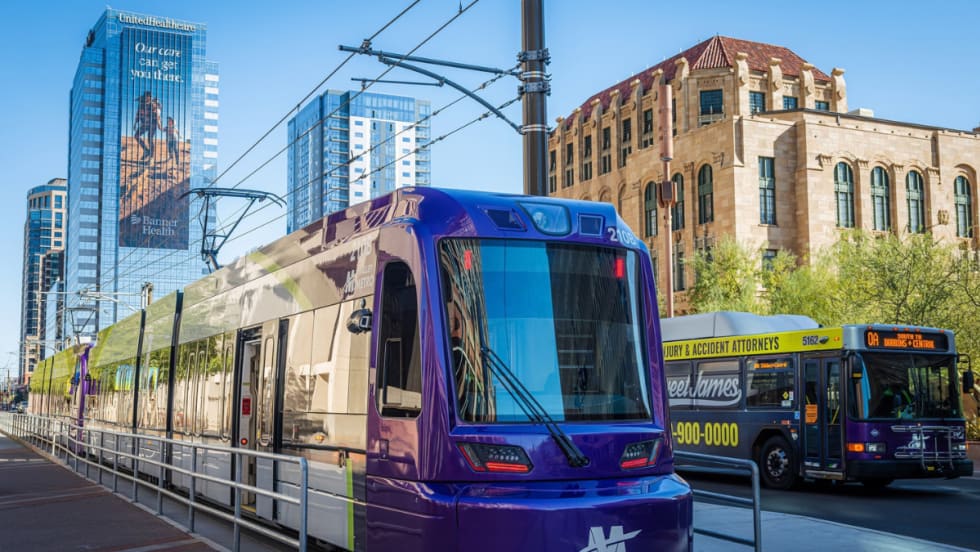
How Valley Metro Is Balancing Transit Growth With the Rider Experience
The APTA award-winning agency is pairing rapid system expansion with investments in workforce, safety, technology, and the fundamentals of transit service.
Read More →
Bus Tech Talk: Keeping Transit Technicians Ahead of the Technology Curve
In this episode of Bus Tech Talk, Complete Coach Works’ Business Development Manager Mark Hollenbeck and METRO’s Executive Editor Alex Roman sit down with Obed Mejia, Senior Technical Trainer for Bus Maintenance, at LA Metro to discuss how rapidly evolving bus technology is changing the maintenance shop — and the skills technicians need to keep pace.
Read More →
Michael Schneider Joins Paslay Group to Expand Transportation Practice
The longtime transportation executive will help Paslay Group grow its advisory and program management work across transit, highway, and other infrastructure sectors.
Read More →
People Movement: Connectpoint Expands Leadership Team, Stadler Names New Group CEO, and More
In this edition, we also spotlight recent personnel moves at Burns, UZURV, and more, highlighting the people taking on new roles across the transportation industry.
Read More →
More Than a Summer Job: Building the Next Generation of Transit Talent
The Delaware River Port Authority and PATCO have transformed their internship program into a hands-on professional development experience that introduces students to the breadth of transportation careers — and creates a pipeline for future employees.
Read More →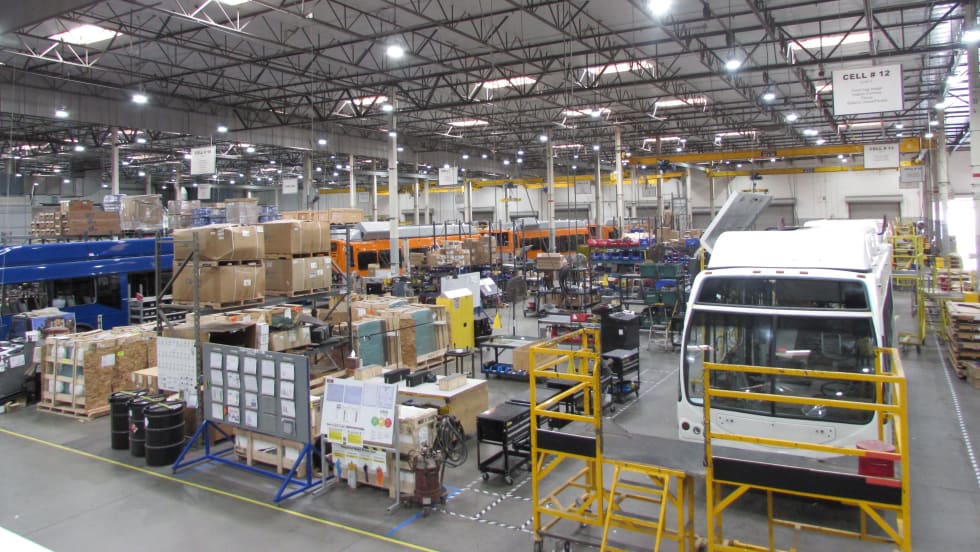
LA Metro Board Awards 220 Battery-Electric Bus Contract to ENC
The contract, which is the largest base award of battery-electric buses by a U.S. transit agency, will be built in Southern California, sustaining good jobs as LA prepares to welcome the world in 2028
Read More →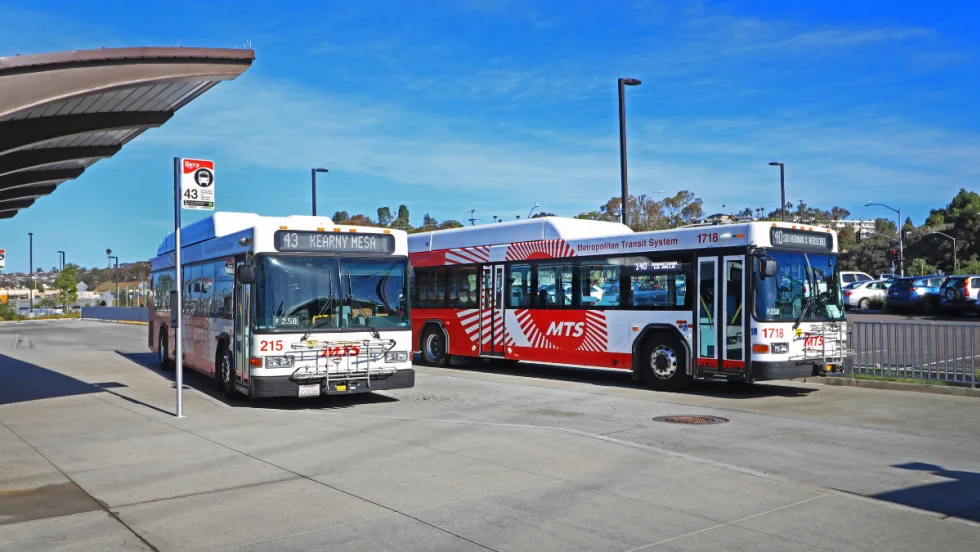
What’s Behind San Diego MTS’s Award-Winning Transit Strategy
Named one of APTA’s 2026 Outstanding Public Transportation Systems with 50 million or more annual passenger trips, California’s San Diego Metropolitan Transit System points to gains in ridership, safety, technology, and reliability as foundations of its success.
Read More →