
Metro Magazine

 MENU
MENU SEARCHMENUSEARCH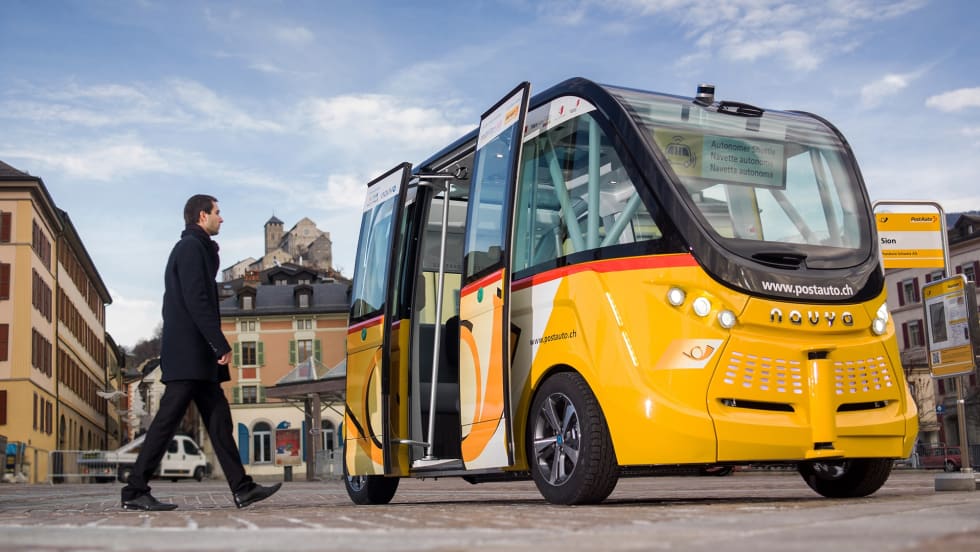
One of the largest trends over the past couple years in public transit has been implementing new strategies to increase ridership.
Read More →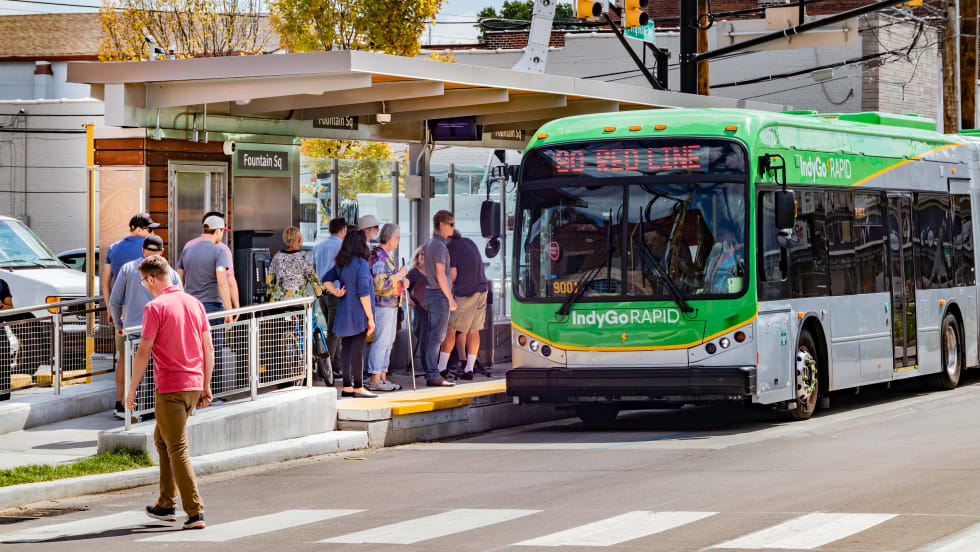
Additionally, Red Line BRT ridership was 6% higher in January than in December.
Read More →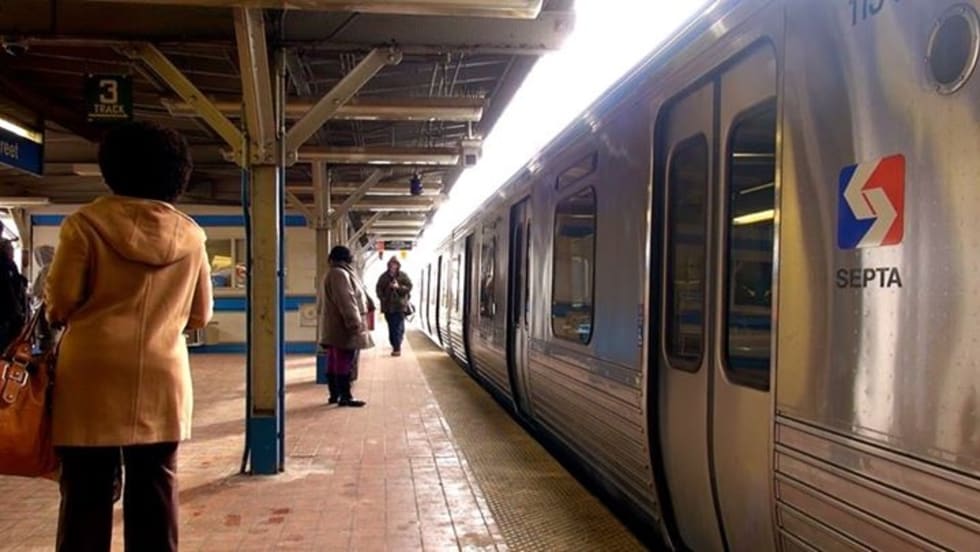
The decision to eliminate skip-stop service was made based on a successful pilot program in 2018 and helps address ridership growth.
Read More →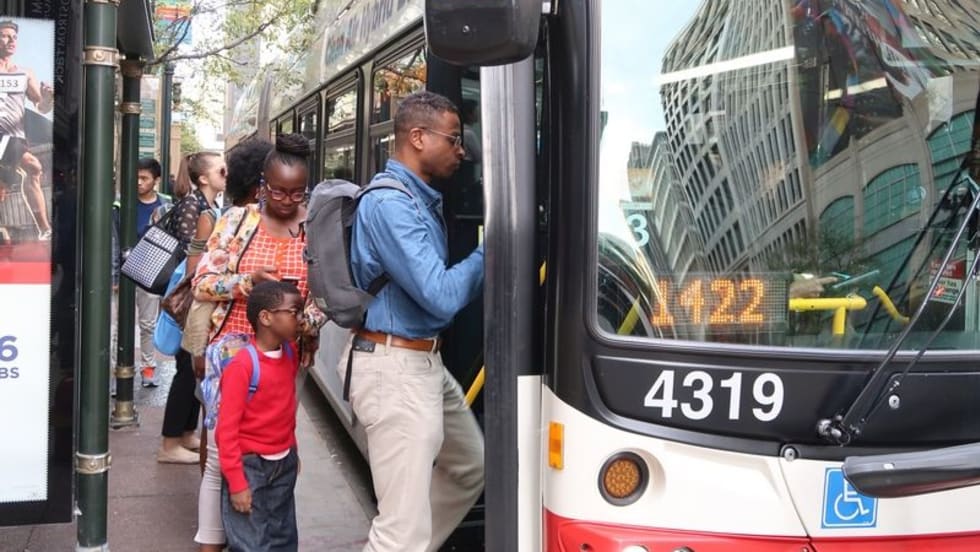
Has the potential to reduce boarding times by as much as 50% and improve the overall customer experience.
Read More →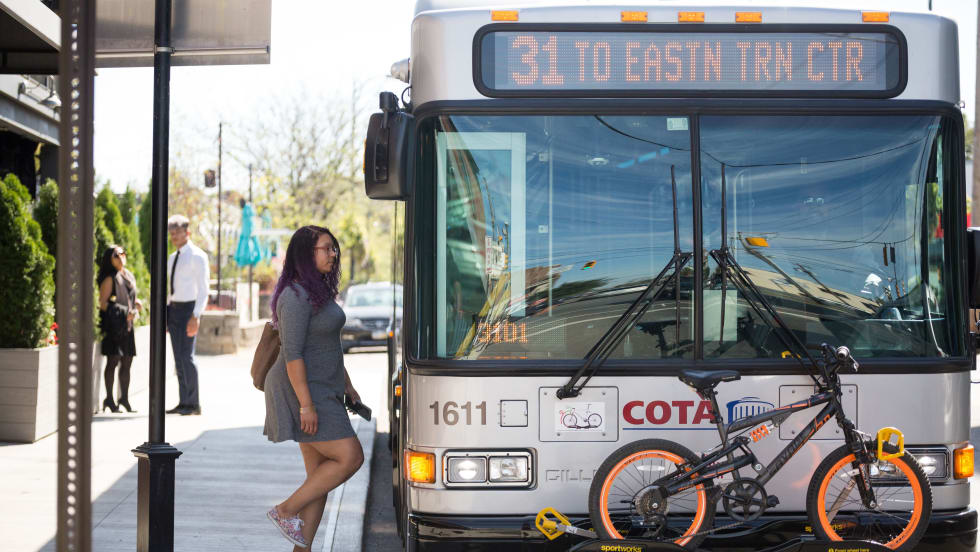
The agency continues to see increases in ridership as the national trend shows declines in public transportation.
Read More →
Operators must ask themselves if they have the capacity to absorb the revenue loss as well as support an increase in ridership and service.
Read More →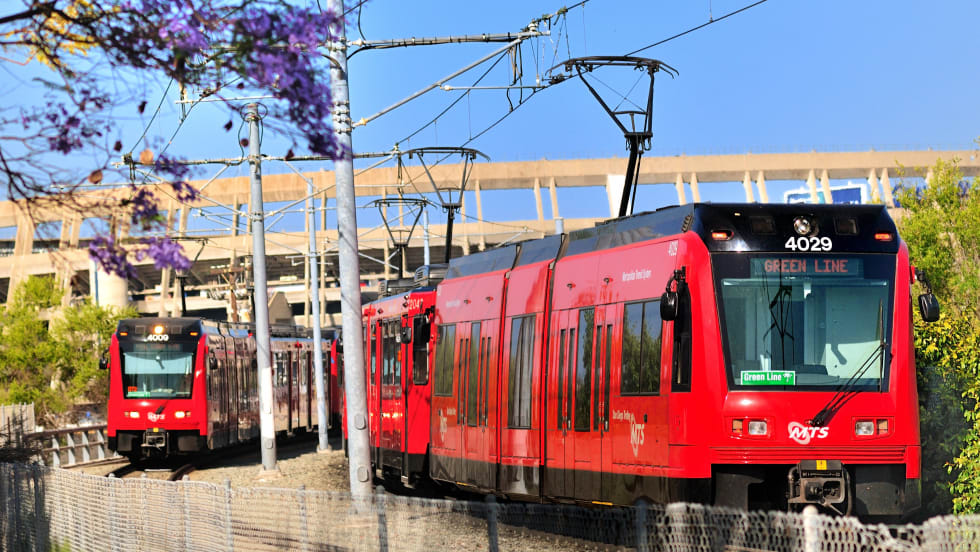
The last time MTS saw this level of ridership gains was in FY 2015, when the agency recorded back-to-back years of record ridership.
Read More →
While it can certainly reduce barriers to access, we can’t overlook the reality that many cities are currently operating transit systems that don’t meet the needs of their citizens.
Read More →
To help solve connectivity gaps, potentially win back transit riders/ expand to a broader market, and propel a culture shift toward multi-modalism.
Read More →
The agency reports that customer-focused improvements implemented last year contributed to the increase in rail ridership.
Read More →