




"...Many people today have “app fatigue” and would prefer that transit options appear on existing apps that they use to procure products and services."
What Does the Future of Public Transportation Look Like?
One of the largest trends over the past couple years in public transit has been implementing new strategies to increase ridership.
February 26, 2020

Many transit systems, colleges, and cities are dipping their toe into the cool new arena of AVs.
Photo: Navya
4 min to read
One of the largest trends over the past couple years in public transit has been implementing new strategies to increase ridership. Of the dozen or so systems that have begun to see an uptick in passengers, all of them are basically implementing versions of what I call the “Silver Bullet” to increase ridership.
I go into depth on what these are and how they are being implemented in my new book, The Future of Public Transportation.
Digging into the Future of Public Transportation
I believe three other big trends from the past couple years will continue to be influential on our transit executives as they grow their systems:
1. Zero-Emission Buses.
This is a big trend as agencies move to transform their fleets away from diesel fuel to ZEB options, either through political pressure or operational considerations.
The largest market share is moving toward electric buses with others adopting compressed natural gas (CNG) or even hydrogen fuels. We explore all three options in chapters of the book and see where they are headed.
2. Autonomous Vehicles.
Many transit systems, colleges, and cities are dipping their toe into this cool new arena. U.S. DOT has issued new guidelines and funding to help agencies try it. Some are using these small, slow-moving shuttle buses for last-mile solutions to rail stations, others to boost tourism, and still more as campus shuttles. Look for this trend to continue to expand as driver shortages and safety considerations boost interest.
3. Mobility-as-a-Service (MaaS).
This new trend has taken our industry by storm. Basically, it involves using a smartphone app to combine trip-planning and payment functions for mobility options in a given region. This may include traditional bus and rail options but also include our newer additions to the mobility landscape like TNCs (Uber/Lyft), E-bikes and E-scooters, traditional taxi, private microtransit and even rental cars, and more. The App can provide trip-planning options to make the trip faster or less costly and the customer can pay for them all with one click on the phone. Fare-capping can be added as well.

Electric buses are large in transit as agencies look to transform their fleets from diesel.
Photo: Foothill Transit
Three basic models have emerged from this technology that got its big start in Helsinki, Finland:
Transit agency led app development: Cities like Dallas, Portland, and Berlin have moved toward a Mobility Aggregator model and taken these other new mobility options “under their wing” so to speak and included their services as options for passengers.
Private company led app development: Many cities have determined that they don’t want to have to develop the apps themselves so they have outsourced its development to private companies who “white label” the app for the agency and handle all the upgrades and behind the scenes payment and mapping.
Private provider-led app development:Denver RTD is the leading agency that has allowed Uber to take the lead in their approach to MaaS so that passengers can see transit options pop up on the Uber app when they plug in their intended destination.
Some folks think that whole approach may be wrong-headed. Transport for London’s Head of Technology and Data for Surface Transport, Simon Reed, told me that he believes many people today have “app fatigue” and would prefer that transit options appear on existing apps that they use to procure products and services.
Under this approach, if a patron went online to a movie theater’s app to purchase movie tickets, after they selected their theater and show time, transit/mobility times and locations would show up on that app to give options to get to and from the showing they chose.
Several of our industry leaders address MaaS as a whole and describe where they believe it is going and how it should develop in my book. One question that many are asking now is will these developments lead to the end of smart fareboxes as we know them and will we see a shift to validators on board and cash only boxes, or even a move away from cash altogether, as they have done in London. This seems to be the trend although some in the U.S. see our Title VI requirements leaving cash fares as an option.
Others like Robbie Makinen, CEO of Kansas City Area Transit Authority, see a fare-free future for their main transit systems, where other subsidies make up the difference in operating budgets and passengers can ride for free.
About the Author: Paul Comfort is VP business development with Trapeze Group.
The Future of Public Transportation includes chapters and input from over 40 leading futurists, CEOs, and associations on these and other trends for this new decade of the 2020s. For more information on the book and upcoming events, click here.
Subscribe to Our Newsletter
More Blog Posts
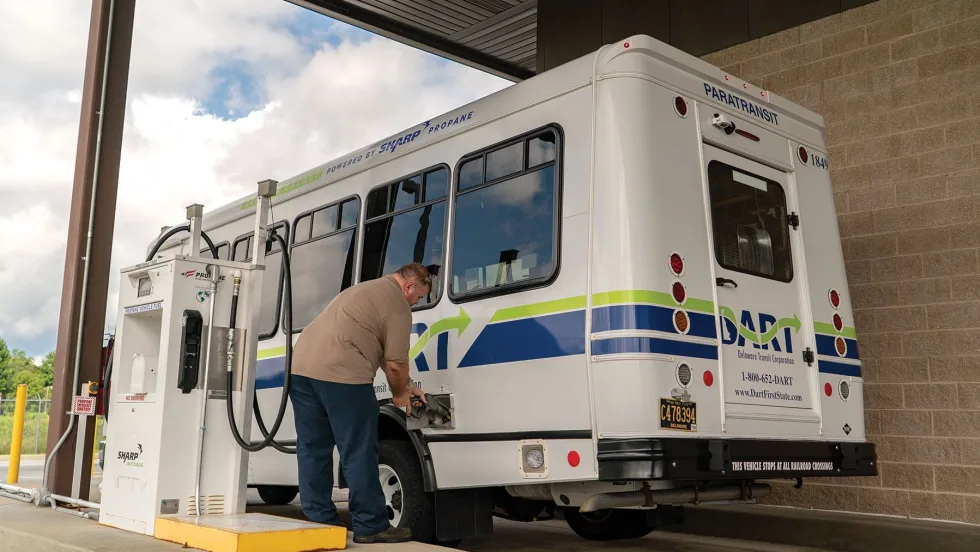
Building a Winning FTA Grant Proposal: Why Propane Autogas is the Pragmatic Choice for Fleet Resilience
With $610 million available through the FY 2026 Buses and Bus Facilities Competitive Program and the Low or No Emission Grant Program, agencies must build a compelling case before the September 21 deadline that balances environmental compliance with operational feasibility.
Read More →
Velo-city Conference 2026: Latest Trends in Cycling as Part of Urban Mobility
The global cycling conference highlighted how cities are integrating bicycles into multimodal transportation networks, expanding cycle tourism and reshaping urban mobility.
Read More →
Kindness Isn’t Soft...It’s Strategic.
Mike Bismeyer — often known as “The Kindness Guy” — has spent more than 17 years in public transit and mobility, serving in industry leadership roles, speaking across North America, and advocating for stronger workplace cultures. But his message doesn’t come from theory. It comes from lived experience.
Read More →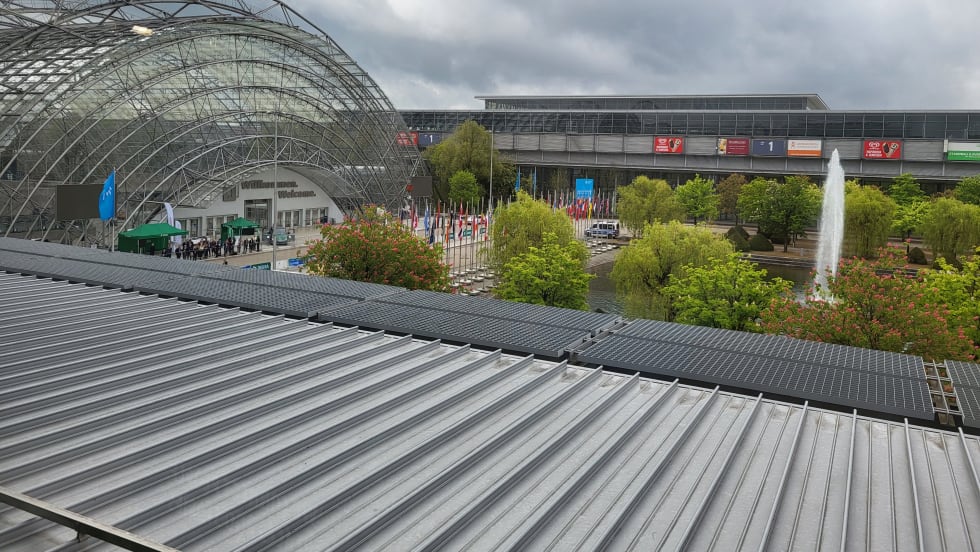
Inside ITF 2026: Transport Reacts to A Challenging World
Transport leaders from around the world gathered in Leipzig, Germany, for the 2026 International Transport Forum to discuss resilience, climate impacts, supply chains and the future of sustainable mobility.
Read More →
Every Ride Tells a Story — But You’re Not Just Selling the Ride
You’re selling the moment, the meaning, and the emotion behind it.
Read More →
How Digital Signage is Reshaping the Traveler Experience at Transportation Hubs
What was once a landscape of static signs has evolved into a responsive, immersive environment powered by real-time visual communication.
Read More →
Latest Trends in Urban Mobility from Polis Conference 2025
Polis comprises cities and regions, as well as corporate partners, from across Europe, promoting the development and implementation of sustainable mobility. This year’s event had over a thousand attendees across various policy forums and an exhibition.
Read More →
Why Transit Leaders Require Better Tools for Operational Clarity In Today’s Tech-Fragmented Environment
Across North America and beyond, transit agency officials are contending with a perfect storm of operational headaches and strategic challenges that hamper daily service and long-term progress.
Read More →
The Powerless Brokers: Why California Can’t Build Transit
It is no secret that transit in the U.S. is slow and expensive to build.
Read More →
Why Transport Sustainability Should Focus on People Instead of Cars
Simply incentivizing electrification is not enough to make a meaningful impact; we must shift our focus toward prioritizing public transportation and infrastructure.
Read More →