




Research suggests that the success of fare-free transit is dependent on the size of both the city and transit agency.
Will Making Transit Free Make People Want to Ride More?
While it can certainly reduce barriers to access, we can’t overlook the reality that many cities are currently operating transit systems that don’t meet the needs of their citizens.
January 28, 2020
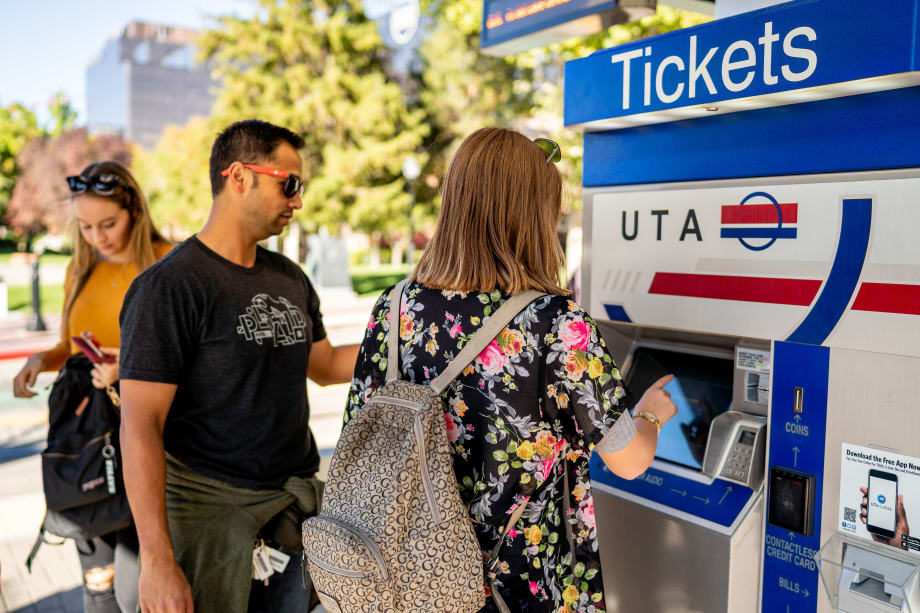
Several cities in the U.S. including Los Angeles, Salt Lake City, and Denver have considered implementing free-transit systems.
Photo: UTA
5 min to read
At the end of last year, Kansas City, Missouri’s City Council voted unanimously to make the city’s bus system fare-free. The plan was meant to increase transportation equity in the region and was a priority of the city’s recently elected Mayor, Quinton Lucas and newly elected council member, Eric Bunch.
Several cities in the U.S., including Los Angeles, Salt Lake City, and Denver have considered implementing free-transit systems, but each area has had its own internal debate about how to best offer a free service, limiting their ability to put forth formalized proposals.
The initiative in Kansas City has since sparked discussion among city officials and transit leaders across the nation around whether free transit is the solution they’ve been seeking to make public transportation a more accessible — and preferred — mode of transit.
At a time when competition from ride-hailing services, bikes and scooters, and, of course, personal vehicles is increasingly threatening public transportation ridership, Kansas City's willingness to experiment with new ideas to revamp transit service is intriguing — but will it work?
Fare-Free Transit Certainly Has its Benefits
There’s no denying the potential benefits of fare-free transit, especially when considering how it could help marginalized communities move around more freely. This is certainly the hope among Kansas City lawmakers and transportation officials.
In making its bus system free, the city hopes that it will be able to increase mobility overall, and thus, support equal access to jobs while also boosting economic activity in the city’s center. This is particularly important, as that anticipated increase in activity and revenue would help the city recoup the loss of ticket sales.
Research suggests that the success of fare-free transit is dependent on the size of both the city and transit agency. Several smaller cities in the U.S., including ski centers such as Vail, Colorado, currently offer fare-free transit and have experienced strong ridership growth as a result. In Europe, many cities currently operate fare-free transit systems with even greater success.
For example, when the French city of Dunkirk introduced the concept of fare-free transit in 2017, it saw bus ridership increase by more than 60 percent on weekdays and more than double on weekends, with 48 percent of riders saying they now leave their cars at home. Especially as city leaders continue to face heightened pressure to reduce carbon emissions and get people out of their cars, incentives like this are promising.
But for most cities, the fix isn’t as simple as making service free.
Free fares also enable another major shift in fare collection and policing fare-evasion. There are obvious operational benefits in reducing the administrative burden of farebox maintenance, cost of revenue collection, and reduced dwell time. A moral benefit exists as well. Free-fares can replace discrimination in fare-evasion enforcement; a civil rights challenge plaguing many major transit systems.
Studies across various U.S. cities have shown that fare enforcement disproportionately targets minorities, and these minorities face steep penalties when they are stopped. Providing free-fares alleviates the need for fare enforcement which in turn reduces inequality in access to public transportation.
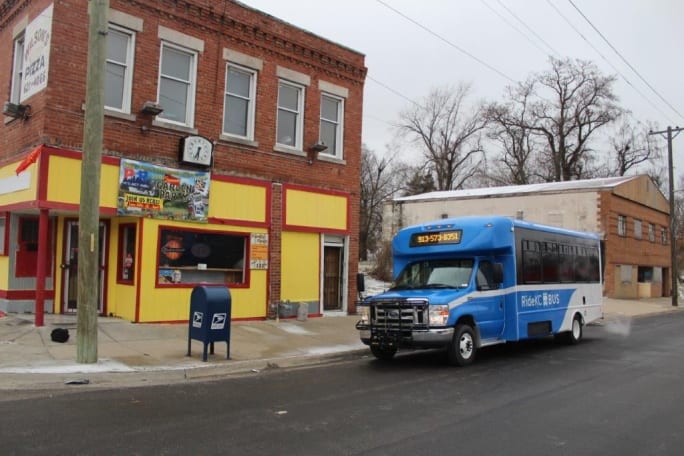
At the end of last year, Kansas City, Missouri’s City Council voted unanimously to make the city’s bus system fare-free.
Photo: KCATA
Making Public Transit Free Doesn’t Necessarily Make it Better
Although there are case studies to support how fare-free transit can work successfully, it’s not the ultimate solution to improving ridership or service gaps. While free transit can certainly reduce barriers to access, we can’t overlook the reality that many cities are currently operating transit systems that don’t meet the needs of their citizens.
Whether it’s an issue of routes not running frequently enough, or current systems not being capable of servicing people based on real-time demand, simply reducing barriers to access isn’t enough. In fact, a recent study by TransitCenter suggests most low-income bus riders see lowering fares as less important than improving the quality of the service.
Making the bus free is a great incentive to encourage people to ride more in theory. However, for many cities the desired impact of fare-free transit — increased ridership — often fails in achieving the goals of reduced congestion and greenhouse-gas emissions because ridership increases only marginally overall.
Mostly people already willing to walk or ride transit take advantage; free fares do not entice those who otherwise would drive.
Free transit doesn’t fix the lagging transit infrastructure required to make transit services more desirable. This in turn actually drives a larger gap between those that depend on public transit and those that do not; again, reinforcing a stigma about public transit’s viability and effectiveness.
Either Way, the Decision is Still Significant
Regardless of whether you support fare-free transit models or not, Kansas City’s initiative is impactful. The city’s decision comes at a time when a willingness to experiment with new transit ideas is necessary. The rise of more predictable and convenient services like Uber and Lyft is not a trend that will go away any time soon.
Cities and transit agencies need to be willing to challenge the status quo and experiment with new, outcome-based models if they want to improve ridership, expand access, and ultimately enhance the vibrancy of their city. More than anything, it’s Kansas City’s entrepreneurial spirit that other cities should be embracing.
Implementing a fare-free bus system isn’t the only innovative approach the city has taken to revamp transportation in the region. Take a look at RideKC microtransit. The service has been incredibly successful since launching in Johnson County. In its first three months alone, the service moved 24X the number of rides that Bridj completed in the region before it folded.
In a survey of RideKC users, 31 percent of respondents said that if the service weren’t available, they would have taken an Uber/Lyft, while 12 percent wouldn’t have made the trip at all.
Delivering transit alternatives like this is a viable solution to closing gaps in service and ensuring all citizens have equal access to navigate their city. While free transit can certainly be an element within a holistic transit ecosystem, it cannot be delivered at the expense of good service overall. Cities have to maintain a focus on continually bettering transportation, and part of that requires them to think creatively about how to align service with the needs of modern riders.
At the end of the day, there needs to be an emphasis on outcome-based transit planning among transit officials nationwide. If that means creating fare-free services, it also means ensuring fast, reliable, and frequent transit. Kansas City has proven to be a positive example of this type of innovative thinking.
About the Author: Lenae Storey is a Director of Mobility Strategy at TransLoc, a Ford Mobility Co.
Subscribe to Our Newsletter
More Blog Posts
Building a Winning FTA Grant Proposal: Why Propane Autogas is the Pragmatic Choice for Fleet Resilience
With $610 million available through the FY 2026 Buses and Bus Facilities Competitive Program and the Low or No Emission Grant Program, agencies must build a compelling case before the September 21 deadline that balances environmental compliance with operational feasibility.
Read More →
Velo-city Conference 2026: Latest Trends in Cycling as Part of Urban Mobility
The global cycling conference highlighted how cities are integrating bicycles into multimodal transportation networks, expanding cycle tourism and reshaping urban mobility.
Read More →
Kindness Isn’t Soft...It’s Strategic.
Mike Bismeyer — often known as “The Kindness Guy” — has spent more than 17 years in public transit and mobility, serving in industry leadership roles, speaking across North America, and advocating for stronger workplace cultures. But his message doesn’t come from theory. It comes from lived experience.
Read More →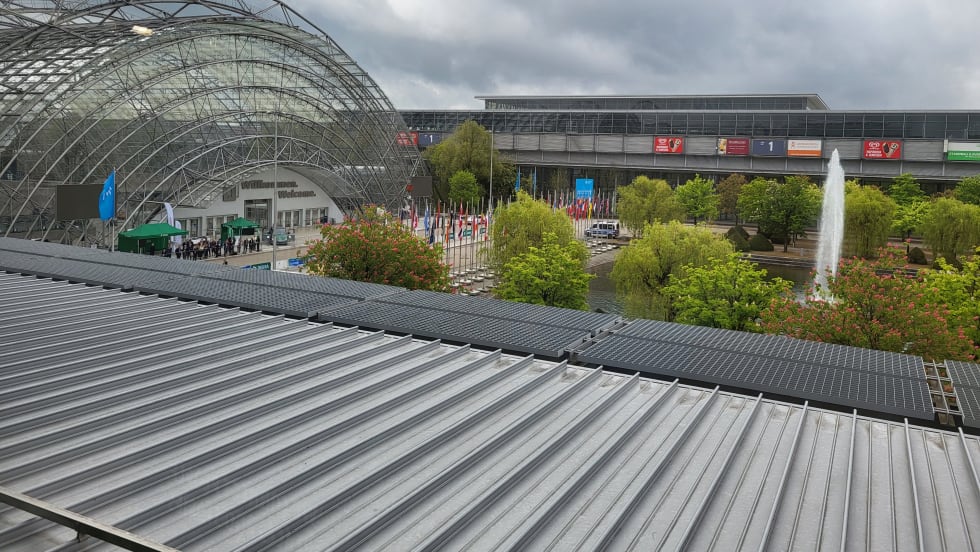
Inside ITF 2026: Transport Reacts to A Challenging World
Transport leaders from around the world gathered in Leipzig, Germany, for the 2026 International Transport Forum to discuss resilience, climate impacts, supply chains and the future of sustainable mobility.
Read More →
Every Ride Tells a Story — But You’re Not Just Selling the Ride
You’re selling the moment, the meaning, and the emotion behind it.
Read More →
How Digital Signage is Reshaping the Traveler Experience at Transportation Hubs
What was once a landscape of static signs has evolved into a responsive, immersive environment powered by real-time visual communication.
Read More →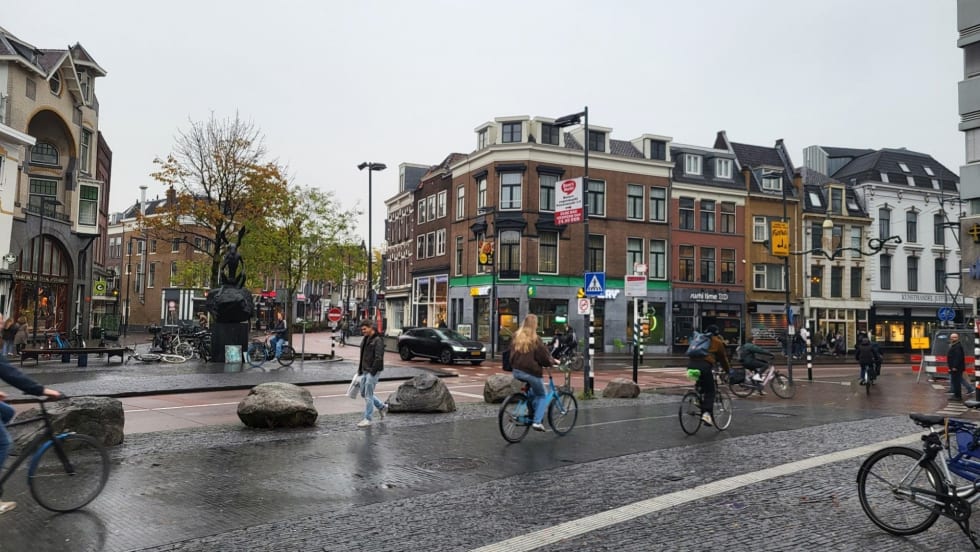
Latest Trends in Urban Mobility from Polis Conference 2025
Polis comprises cities and regions, as well as corporate partners, from across Europe, promoting the development and implementation of sustainable mobility. This year’s event had over a thousand attendees across various policy forums and an exhibition.
Read More →
Why Transit Leaders Require Better Tools for Operational Clarity In Today’s Tech-Fragmented Environment
Across North America and beyond, transit agency officials are contending with a perfect storm of operational headaches and strategic challenges that hamper daily service and long-term progress.
Read More →
The Powerless Brokers: Why California Can’t Build Transit
It is no secret that transit in the U.S. is slow and expensive to build.
Read More →
Why Transport Sustainability Should Focus on People Instead of Cars
Simply incentivizing electrification is not enough to make a meaningful impact; we must shift our focus toward prioritizing public transportation and infrastructure.
Read More →