
Metro Magazine

 MENU
 SEARCHMENUSEARCH
Loading data...

The contract to provide Contracted Urban Bus (CUB) service will run from 2024 to 2029 and restricts expenses during those five years to $151.2 million.
Read More →

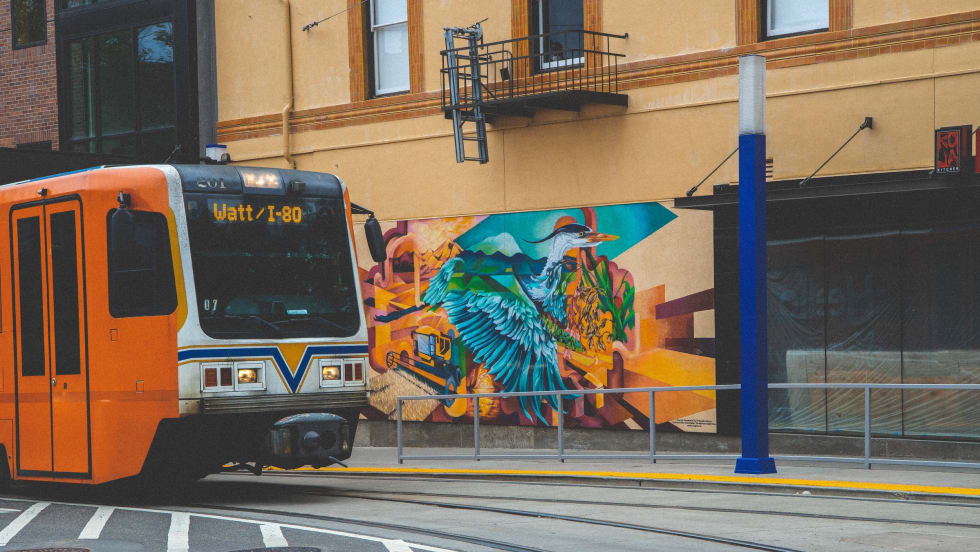


Embracing public-private partnerships can help cities and transit agencies lower operational cost while connecting underserved communities.
Read More →Two out of three support government investment to expand and improve public transportation and twice as many people favor new transit — buses, trains, and light rail — rather than new highways as the best way to solve America’s traffic woes.
Read More →In METRO's latest installment, we take a look at recent news from Transdev, Hitachi, and more partnerships making headlines across the transportation sector.
Read More →The Mineta Transportation Institute releases a guide to local transportation revenue sources in California.
Read More →With more money from the federal level, transit agencies will be able to make crucial infrastructure fixes, replace vehicles and possibly dust off “wish list” improvements projects long-shelved due to lack of capital. The Southeastern Pennsylvania Transportation Authority knows what a difference government support of public transportation can make.
Read More →Major transportation projects in three cities — Austin, Texas; San Jose, Calif.; and Washington, D.C. — could possibly hinge on the outcome of November's election.
Read More →The new contract, which took effect April 1, 2009, has a base of 51 months with options available for an additional four years.
Read More →The new plan for Indianapolis Public Schools includes options for a walk zone policy, using the district’s yellow school buses, and partnering with IndyGo, the local transit agency.
Read More →