
Metro Magazine

 MENU
MENU SEARCHMENUSEARCH
Loading data...

To ensure the safe navigation of American roadways, it is essential to consider a comprehensive range of solutions that prioritize road safety.
Read More →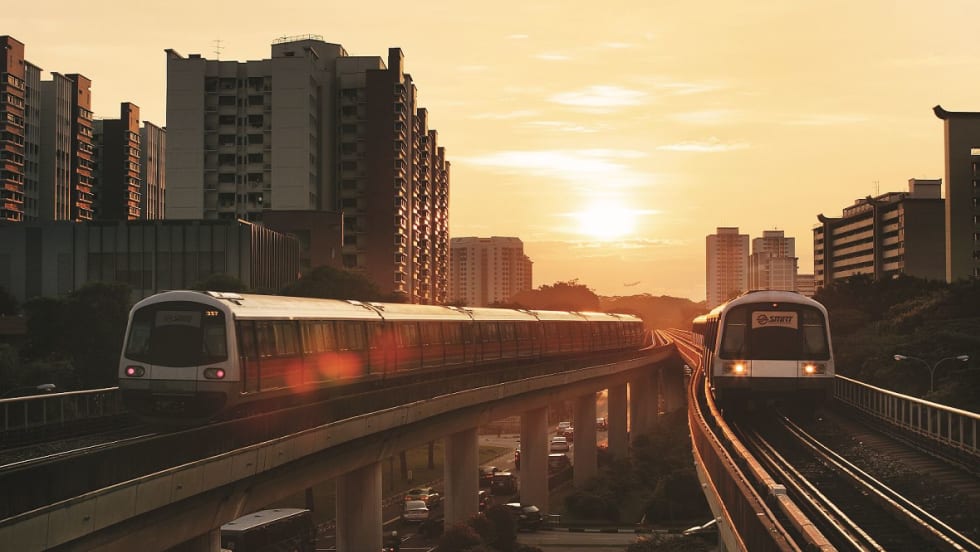
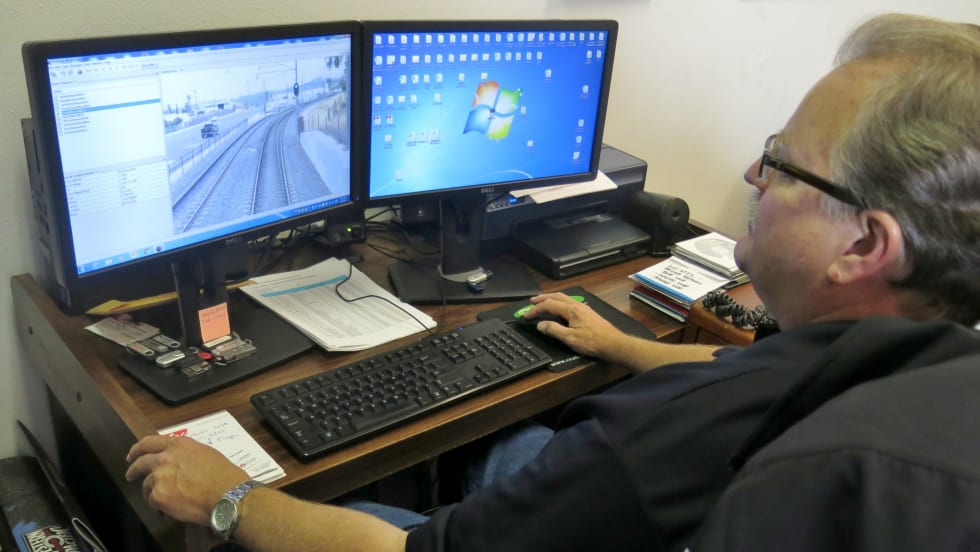
An international effort to reduce traffic accidents, called “Vision Zero,” has been underway for several years to make our streets safer, and now rail needs its own Vision Zero.
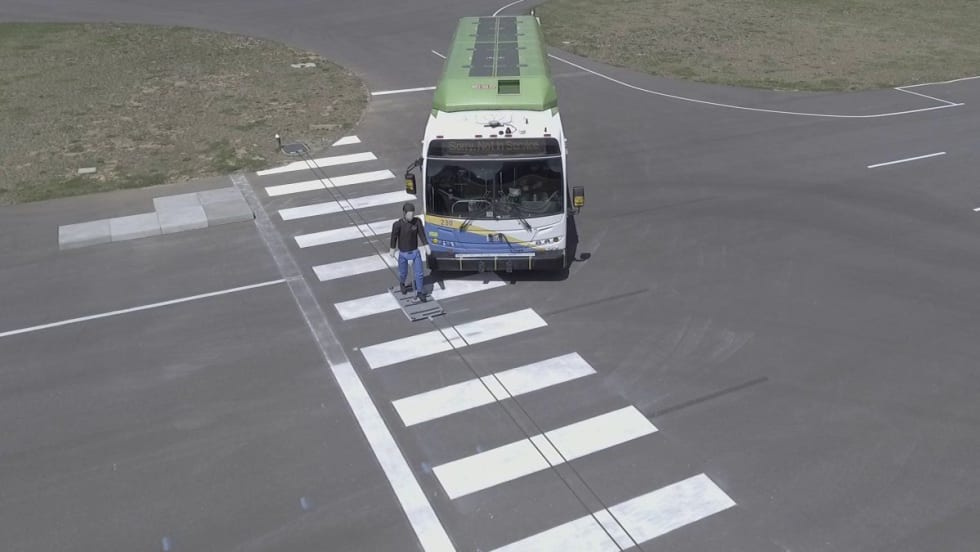
Read More →Using Lidar technology, PASS is designed to help professionally-trained operators avoid or reduce the severity of a collision.
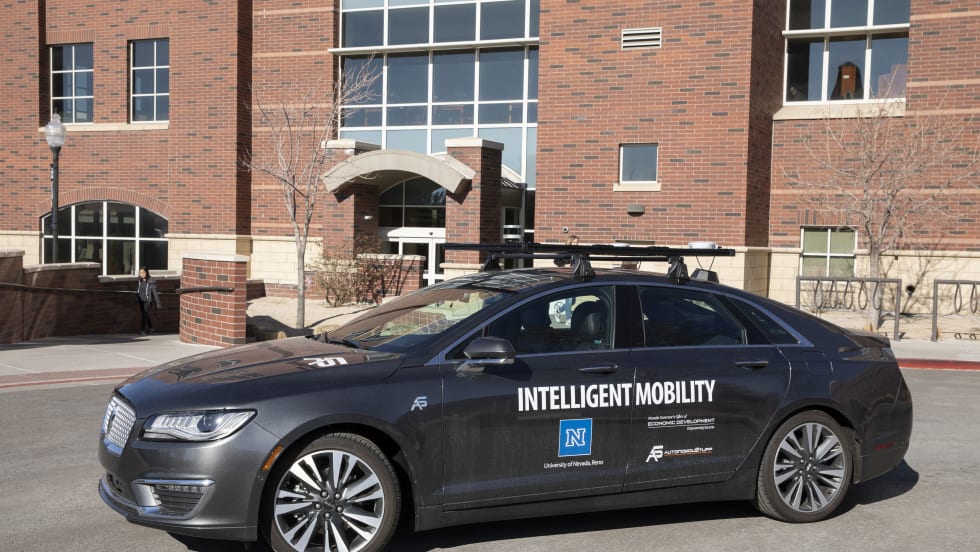
Read More →The smart city project is designed to improve safety and communication between vehicles and surrounding infrastructure.
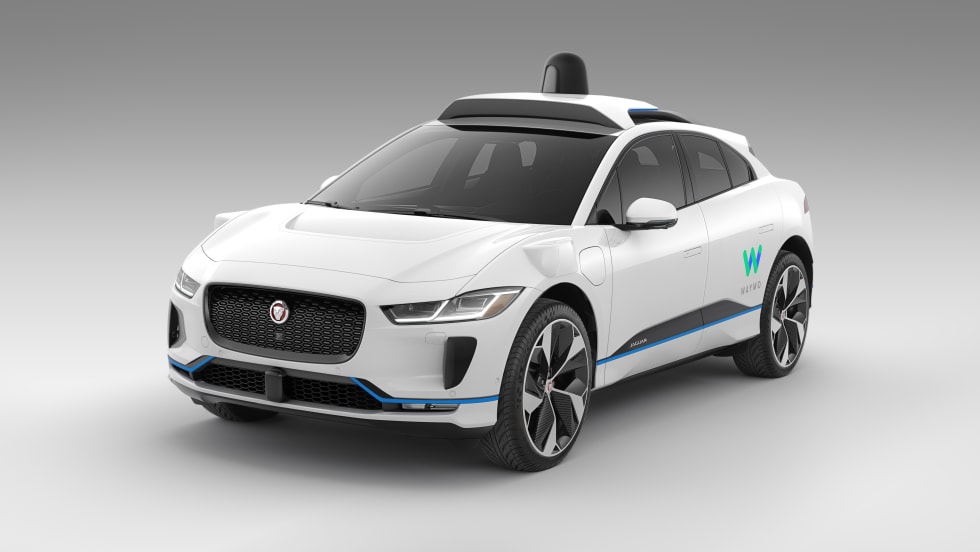
Read More →The Laser Bear Honeycomb is a perimeter sensor, which Waymo says is the same sensor around the bumper of self-driving vehicles.
Read More →This technology will forever change transportation on a local level and national scale; the time is ripe for public transit agencies and OEMs to be more visible in shaping the outcome of these discussions, regulations, and laws.
Read More →The statewide program funds translational research applications in advanced transportation materials, robotics and autonomy, sensors, electric vehicle drivetrain/propulsion, software/controls/data, and advanced manufacturing processes.
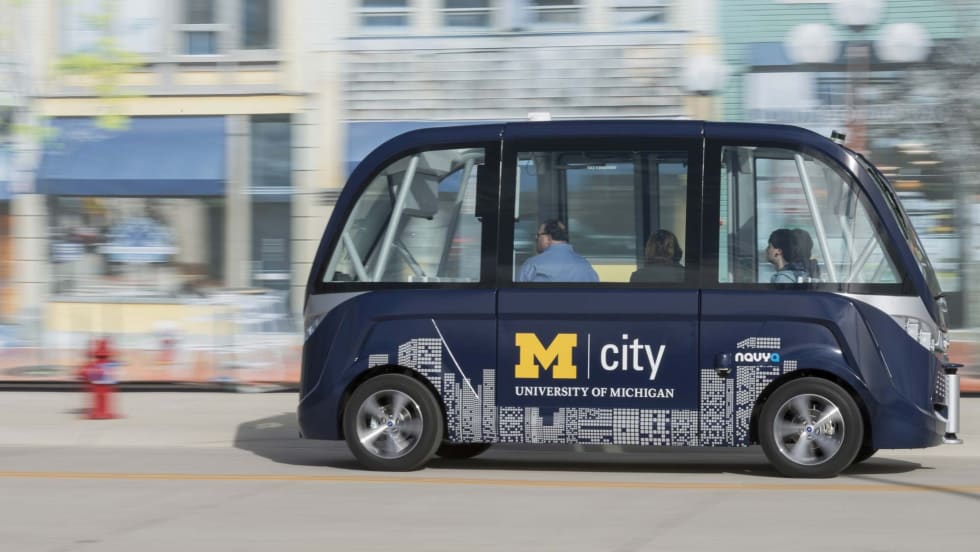
Read More →Will use two fully automated, 15-passenger, all-electric shuttles manufactured by French firm NAVYA to transport students, faculty and staff on a nonstop two-mile route.
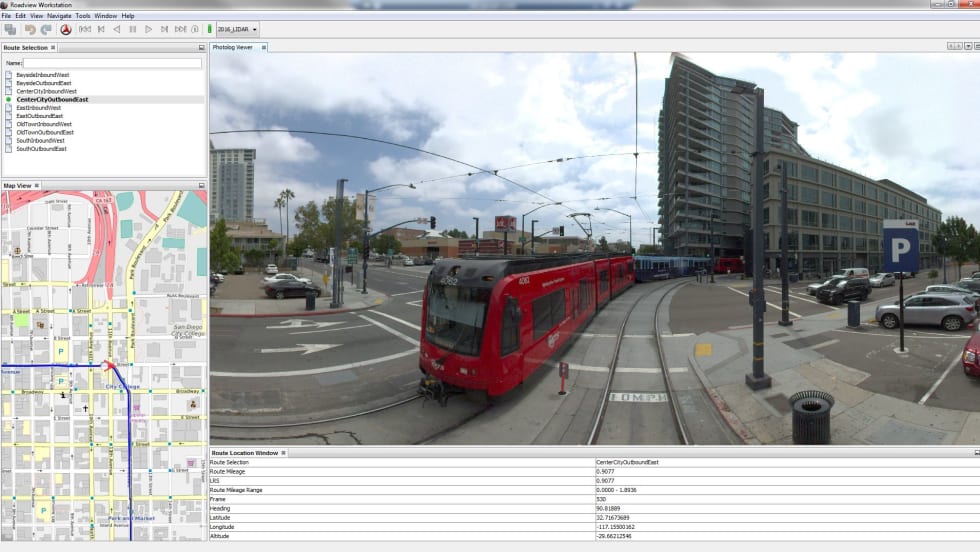
Read More →It’s similar to Google’s Street View system, which offers users panoramic views from on-the-ground positions along many streets and neighborhoods in the world.
Read More →The new image-enhancing technology provides pinpoint accuracy of the agency’s 106 miles of track.
Read More →