



NJ TRANSIT introduces access to COVID-19 testing to employees
The ability to facilitate access to testing for employees will lead to quicker identification of cases, quicker treatment for those testing positive, and immediate isolation to prevent spread.

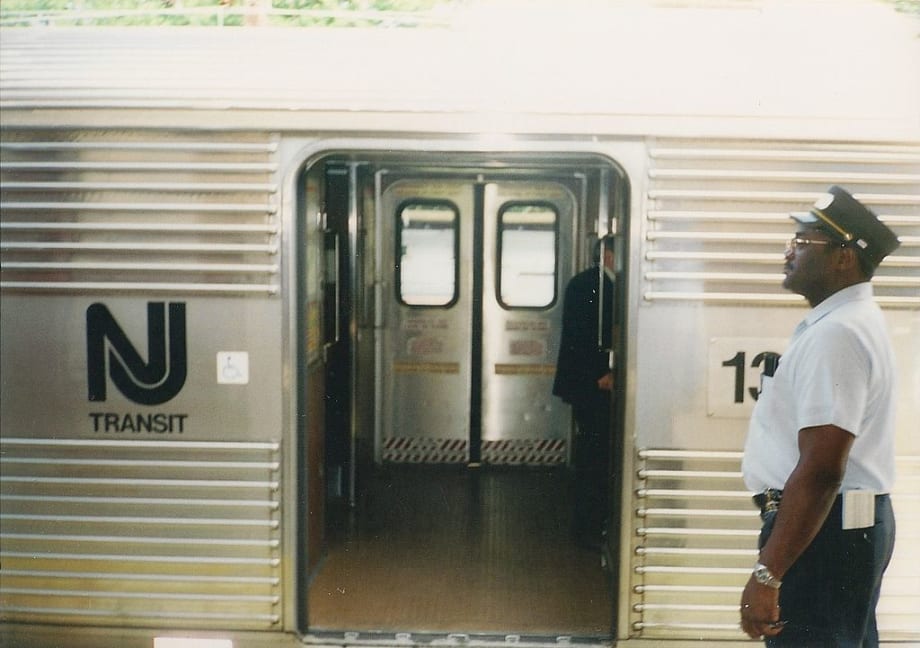
Michael Barera
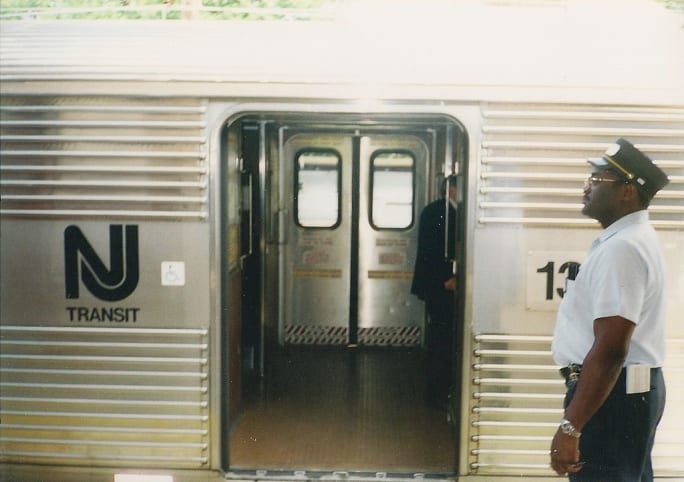
The expansion of testing advances Principle 2 of Gov. Murphy’s “The Road Back: Restoring Economic Health Through Public Health.” Michael Barera
Beginning Monday, COVID-19 testing will be available daily in East Rutherford to all NJ TRANSIT employees. Through an agreement with Agile Urgent Care and Accurate Diagnostics Lab, NJ TRANSIT employees will be accepted for appointment-only testing at the site, which opened on April 13 and is currently geared toward first responders and frontline healthcare workers. NJ TRANSIT is also working to expand access to similar testing sites in central and south Jersey.
The expansion of testing advances Principle 2 of Gov. Murphy’s “The Road Back: Restoring Economic Health Through Public Health.” The ability to facilitate access to testing for employees will lead to quicker identification of cases, quicker treatment for those testing positive, and immediate isolation to prevent spread.
“The men and women of NJ TRANSIT have been an essential part of our frontline COVID-19 response efforts,” said Gov. Murphy. “With increased access to testing, we can ensure the health and safety of NJ TRANSIT’s workforce and build public confidence in our mass-transit system, as our economy begins to reopen in the weeks ahead.”
As an added precautionary measure to protect bus operators and customers, NJ TRANSIT has implemented rear-door boarding on all bus routes where rear-boarding is available. Seats near the bus operator have been taken out of service to allow for proper social distancing for the operator. Customers are encouraged to use the NJ TRANSIT mobile ticketing app or purchase paper tickets prior to boarding to limit cash transactions with the bus operator. Travel should be limited to essential personnel only.
More Security and Safety

What Transit Maintenance Facilities Should Know About Gas-Detection Placement
Proper gas-detector placement is critical to maintaining safety in transit maintenance facilities, requiring agencies to consider fleet fuel types, ventilation, shop operations, and ongoing equipment maintenance.

RTC Reports Nearly 29% Drop in Transit Operator Assaults
The Las Vegas agency credits expanded security measures, training, and technology for improved safety in FY 2026, while security officers have helped save 19 lives through overdose-response efforts.

Improving Transit Safety and Reliability Through AI
Hayden AI’s Chief Growth Officer, Charley Territo, discusses how AI-powered camera enforcement is helping transit agencies keep bus lanes and stops clear, improve accessibility, and move from pilot programs to full-scale deployments.

Study: Denver RTD Generates $2.1 Billion in Annual Economic Activity
An economic impact study finds the agency supports approximately 17,500 jobs, delivers $1.6 billion in annual community and mobility benefits, and generates $2.42 in economic value for every dollar invested.

SEPTA Launches 'Reach' Program to Connect Vulnerable Individuals with Support
The initiative deploys specialists throughout Philadelphia’s transit system to connect individuals with housing, healthcare, and social services while addressing safety and quality-of-life concerns.

LADOT to Launch Bus-Mounted Camera Enforcement on DASH Buses
The program will begin with a 60-day warning period before citations are issued in January 2027, joining similar efforts across Southern California to improve bus reliability, safety, and accessibility.
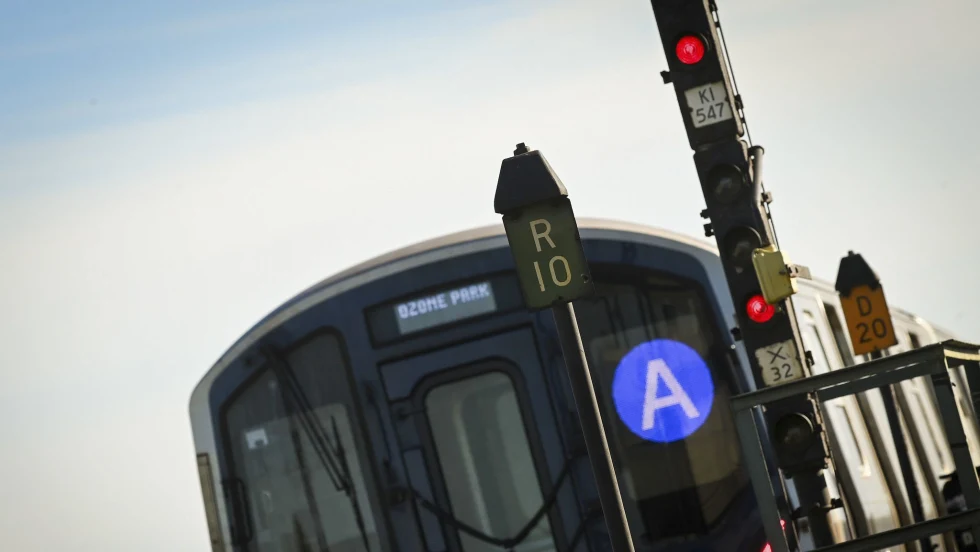
New York MTA Launches Historic $1.9B Signal, Track Modernization Project
Funded in part by congestion pricing revenue, the project will replace nearly century-old signals along the A and C lines in Brooklyn and Queens.

CSA Group Releases Climate Resilience Standard for Transit, Passenger Rail
Developed with support from the Standards Council of Canada, CSA D700 guides assessing climate-related risks and planning adaptation measures for transit and passenger rail systems.
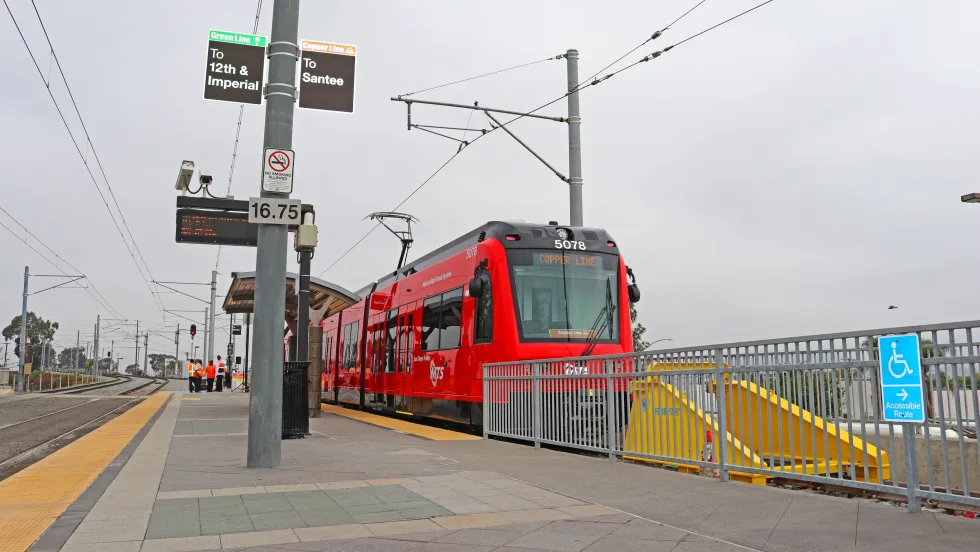
San Diego MTS Approves New Fare Evasion Penalty Program
The new administrative process will move eligible violations out of the criminal court system, cap penalties at $125, and provide flexible payment options for riders.

RTC of Southern Nevada Reports 29% Drop in Transit Operator Assaults
The agency credits expanded security measures, employee training, and technology investments for improvements in transit safety, while security officers have responded to 19 suspected overdoses since July.