



Transit Infrastructure Must Be Made Resilient to the Effects of Climate Change
The transportation system of metropolitan New York was significantly impacted by Superstorm Sandy — including New York City subway and Amtrak rail tunnels damaged by flooding — and the after effects are still being addressed.

Photo: MTA/J.P. Chan

In 2012, a hurricane churned its way up the Atlantic, merged with another storm, turned toward the shoreline and made landfall in the New York region — an event with devastating effects on property and infrastructure, including transit systems. The transportation system of metropolitan New York was significantly impacted, and the after effects of Superstorm Sandy — including New York City subway and Amtrak rail tunnels damaged by flooding — are still being addressed.
Consider impacts, reconsider design
Sandy is just one of a number of extreme weather events across the U.S. in the past decade that has resulted in significant damage to transportation infrastructure. These events have become a part of the history of transit and transportation disruptions in the U.S. They provide an opportunity to consider the conditions that led to such damage and left communities damaged for extended periods, and without the transit service so critical to a functioning and effective community. Transportation design professionals need to reflect on and consider the cause of these impacts not only from the perspective of the weather events that caused them, but also from the perspective of how these storms have such a disruptive effect on transportation systems, and whether the design of such systems needs to be reconsidered to ensure future system resiliency. Now is the time to reconsider how system and project decisions are made and how we can assure they will withstand future climatic conditions.

This dialogue on risk and design becomes more complex when considering the expected effects of climate change — with warming global temperatures expected to increase the number and volatility of weather systems, bringing more rain and flooding, and increasing the risk of more damaging coastal storms. The growing political acceptance of a changing future climate, based partly on a large volume of research on the science of climate change, is increasing the interest in designs that consider not just current environmental conditions, but also the potential increasing risks associated with changing climate conditions.
Climate Change, Decision-Making
The science of predicting future climatic conditions continues to refine understanding of how the earth’s systems may respond to a warmer climate. The reality, however, is that the future cannot be defined to a specific level of detail consistent with what engineers typically apply today at the project level, where flows and forces are defined, refined and used to make design decisions. Thus, there is a level of uncertainty in looking to the future, which includes both the timing and extent of change in weather conditions.

For managers and designers of transit systems this means that the focus of design should better define the future parameters of what infrastructure will likely face over the lifetime of an asset. A primary benefit of the developing dialogue on climate change and design is that the considerable uncertainty associated with the future means that professionals can no longer rely only on established design guidance to define important phenomena such as sea level rise, storm surge, temperatures or rainfall. These design input data are no longer static, defined by past events. However, models predicting future values vary widely — and transit professionals must broaden their perspective in order to design effectively.

In response to this high level of uncertainty, the resulting approaches to design have become more risk-based, where the implications of damage and loss to transit system elements have become more a part of best practices design. A closer look at the levels at which high temperatures become an operational concern, where flooding may cause service disruptions, or how storm surge might require extensive repair and rebuilding has increased the understanding of risks and damage — a perspective not traditionally part of criteria-based design. Defining these points and identifying how often they might be exceeded, and at what predicted levels, provides the designer a better understanding of the long-term costs of these events over time.
The basis on which to make design decisions becomes clearer when combined with quantified social/economic losses associated with service disruptions — information that has become more evident from recent extreme weather events. Quantifying damage and loss over a project’s lifetime helps guide appropriate design response strategies that can limit future damage from climate change.
Quantifying damage and loss over a project’s lifetime helps guide appropriate design response strategies that can limit future damage from climate change.
One of the beneficial outcomes of this type of risk-based design for transit systems is that it helps quantify how valuable these systems are to communities. As an essential community resource, transit systems need to be protected with actions focused on eliminating risks using adaptable engineering strategies.
Michael Flood is the National Resiliency Lead for WSP | Parsons Brinckerhoff
(www.wsp-pb.com).
More Technology
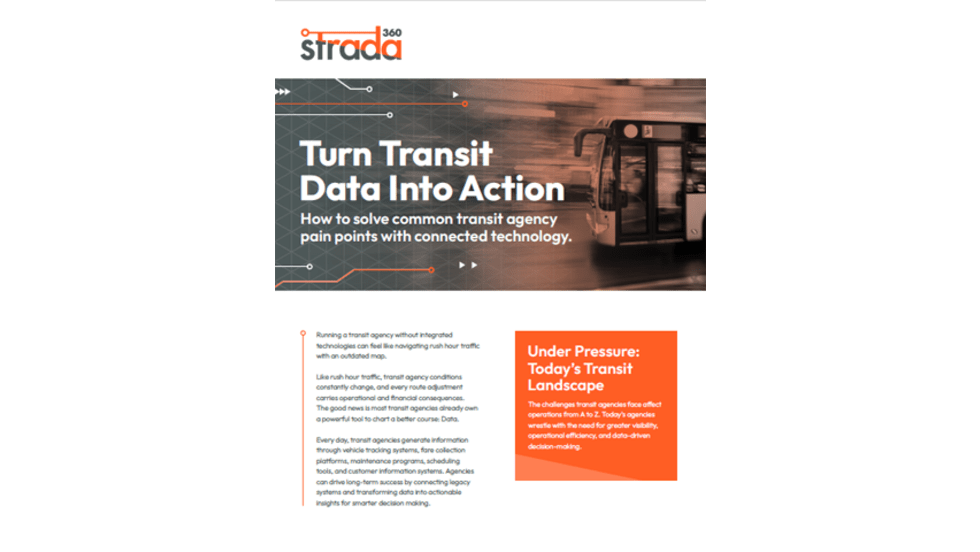
Turn Transit Data Into Action
Discover how leading agencies are using connected technology to gain real-time visibility across operations, improve service reliability, and reduce disruptions.
Read More →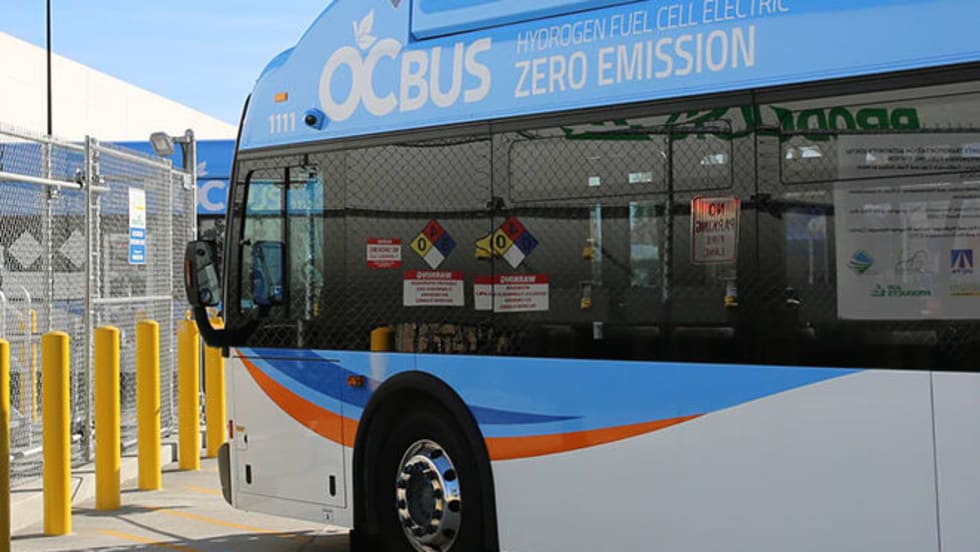
Biz Briefs: OCTA Taps Clean Energy for Hydrogen Station, Stadler to Supply Via Rail Vehicles, and More
From manufacturers and suppliers to transit agencies and motorcoach operators, these updates offer a snapshot of the projects, partnerships and business moves driving the industry forward.
Read More →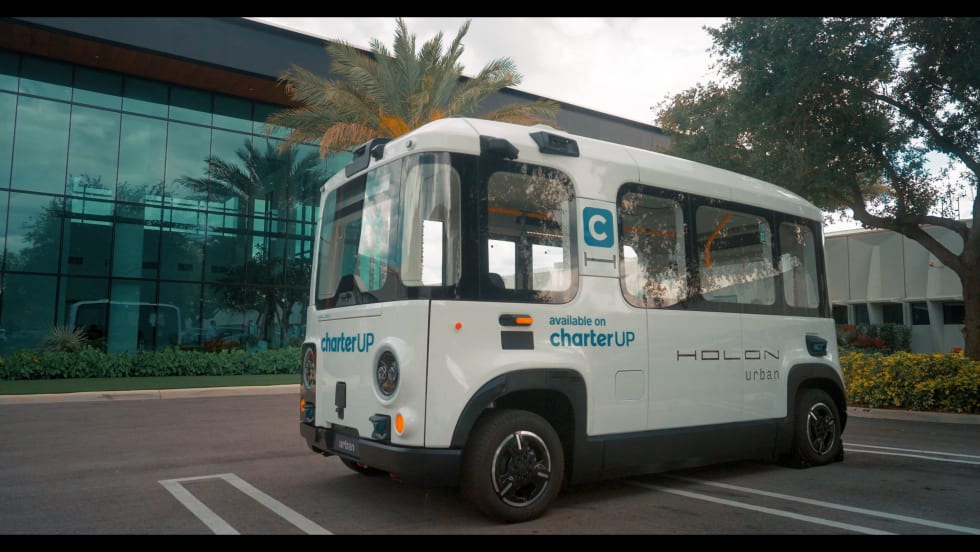
CharterUP Expands Into New Mobility and Autonomous Transportation
Vice President of New Mobility Stephen Joos discusses how CharterUP is leveraging its nationwide transportation network, technology platform, and autonomous vehicle partnerships to expand into workforce mobility, campus shuttles, and transit solutions.
Read More →
METRO Magazine Announces 2026 Innovative Solutions Awards Winners
Projects Recognized for Advancing Mobility Through Technology, Accessibility, Workforce Innovation, and Operational Excellence
Read More →
Cummins Introduces Phased Model Year 2027 Launch Strategy
According to officials, the approach is designed to maintain regulatory compliance, support customer production schedules, and provide additional time to ramp production in a disciplined manner that helps ensure a successful transition for the industry.
Read More →
Biz Briefs: STV teams with Amtrak, Motorcoach Operators Boost Fleet and Land Contracts, and More
From manufacturers and suppliers to transit agencies and motorcoach operators, these updates offer a snapshot of the projects, partnerships and business moves driving the industry forward.
Read More →
DART Taps Nathaniel P. Ford Sr. as Next President/CEO
Since 2012, Ford has served as the CEO of the Jacksonville Transportation Authority
Read More →
AC Transit’s Cecil Blandon on Building the Next Generation of Transit Maintenance Leaders
The agency’s maintenance chief discusses leadership, workforce development, zero-emission technology, and preparing technicians for the future of public transportation.
Read More →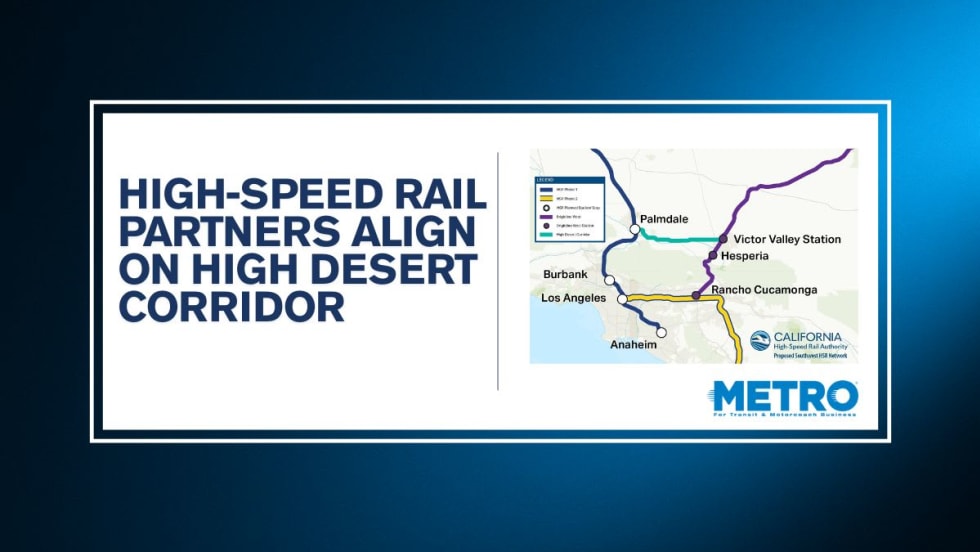
California High-Speed Rail Authority Signs MOU to Advance High Desert Corridor
The agreement deepens collaboration between the California High-Speed Rail Authority and the High Desert Corridor Joint Powers Agency, supporting design integration, cost savings, and faster delivery of a key Southern California rail link.
Read More →
Building the Next Generation of Transit Technology
In this edition of METROspectives, Luminator CEO Magnus Friberg discusses the company's transformation, the growing role of AI and software, and what's next for transit technology.
Read More →