




RELATED: How LA Metro is inspiring tomorrow's transit workforce
Cubic to add integrated mobile app for LA Metro TAP fare payment system
TAP links 24 transit agencies across the Los Angeles region and the mobile app will provide travelers with a range of convenience tools to enhance their daily commute.
January 3, 2018
3 min to read

Cubic Transportation Systems (CTS) was awarded a contract with the Los Angeles County Metropolitan Transportation Authority (Metro) to deliver an integrated mobile app in support of the TAP regional contactless fare system. TAP links 24 transit agencies across the Los Angeles region and the mobile app will provide travelers with a range of convenience tools to enhance their daily commute.
The app will be supported by Cubic’s application programming interface (API) portal provided on the company’s Software-as-a-Service (SaaS) cloud platform enabled via Cubic’s collaboration with Microsoft for the company’s Azure cloud environment. This will connect to both the existing back office and TAP’s new account management platform. Cubic’s open APIs will allow third-party devices to securely interact with TAP cards for authentication, top-up, or debiting card and account balances. This will include the ability to use TAP account balances for third-party services, such as ride- or bike-sharing, parking, and fare subsidy programs.
“This is an exciting time for the TAP program, because with the addition of new apps and connecting features, customers will be able to get the latest commute information, make a fare purchase, use their mobile device as a TAP card and complete their journey using transit, bikeshare, or other multimodal programs,” said David Sutton, executive officer, Metro.
Cubic’s traveler app will support smartphone users by providing a variety of TAP card and account management features including:
TAP account management integrated with Metro’s www.taptogo.net website, allowing users to fund TAP card loads and other services from a single regional account, including bike-, ride-, or car-share and parking, which can be booked as part of an integrated journey plan straight from the app.
Order a virtual TAP card for the ability to tap and pay with a smartphone.
Receive account balance, pass expiration and related service alerts via push notifications and in-app alerts, including real-time arrivals for buses and trains.
Registration and management of TAP card, TAP account balances and loading value/passes to TAP cards.
Participation in travel-driven promotion and incentive programs.
Integration with fare subsidy programs and ability for the unbanked to load cash at participating retailers and TAP vending machines.
Additionally, Cubic will provide a merchant app for retailers who sell and load fare products on TAP cards. The app will have access to the full TAP product catalog and allow retailers to select from available pass types and stored value amounts. Once a payment is made, retailers are able to load the product to a traveler’s TAP card via the near field communication reader/writer interface native to an Android tablet, phone, or accessible point-of-sale terminal. As an added benefit, the connection to the new TAP account system may facilitate members of eligible enrollment categories to receive discounts and/or rewards.
More Technology
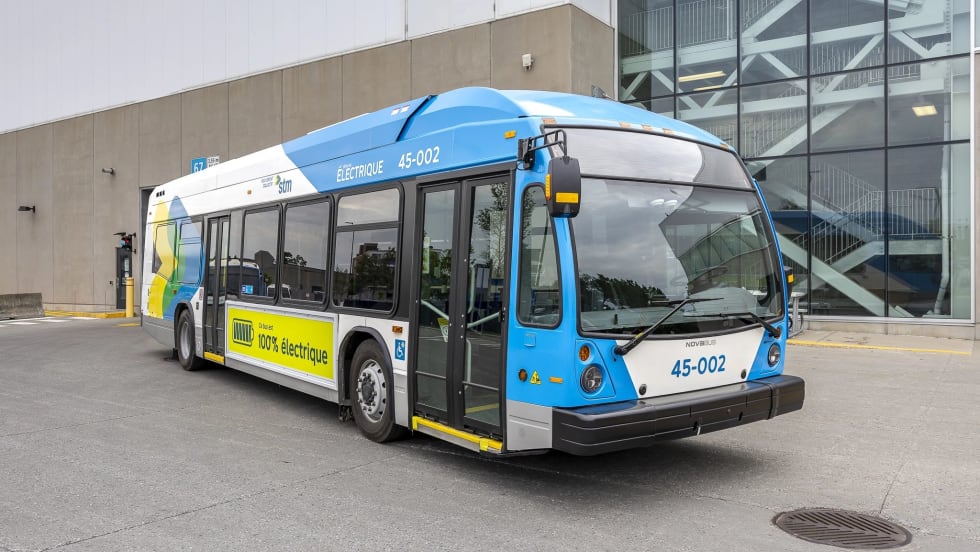
Biz Briefs: Montréal Debuts Nova Electric Buses and More
In this edition of Biz Briefs, we spotlight the latest developments shaping the future of mobility.
Read More →
The Hidden Cost of Fuel Data Inaccuracy in Public Transit Fleets
In today's transit environment, accurate fuel and mileage data are critical to reducing costs, minimizing downtime, and improving fleet performance.
Read More →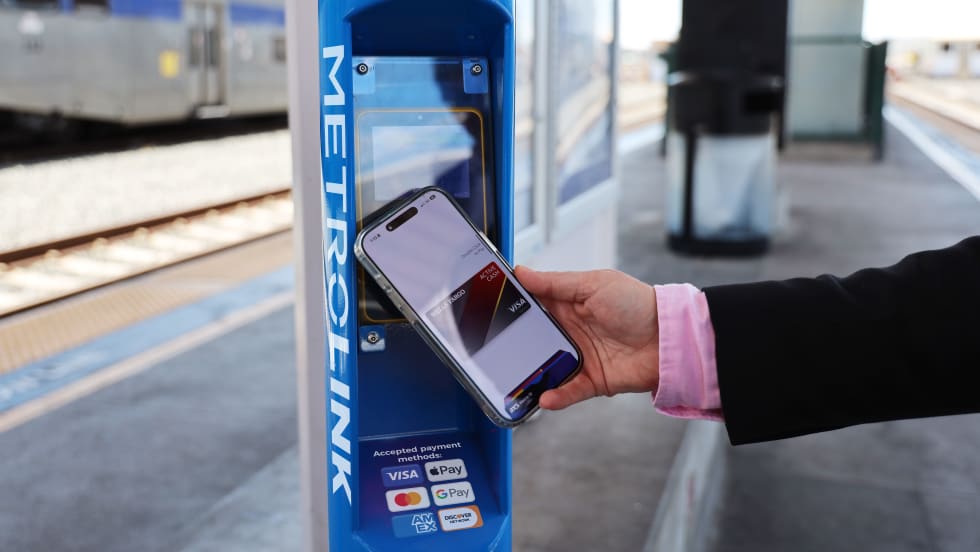
Southern California's Metrolink Debuts Contactless Fare Payment Pilot
Customers traveling between Redlands and Los Angeles can now tap their preferred payment method, including a credit or debit card, mobile wallet, or wearable device, at station validators before boarding and again while exiting.
Read More →
METROspectives: CharterUP CEO Armir Harris on Modernizing Mobility
From digital transformation to evolving customer demands, CharterUP's CEO Armir Harris offers his perspective on the transportation industry's next chapter.
Read More →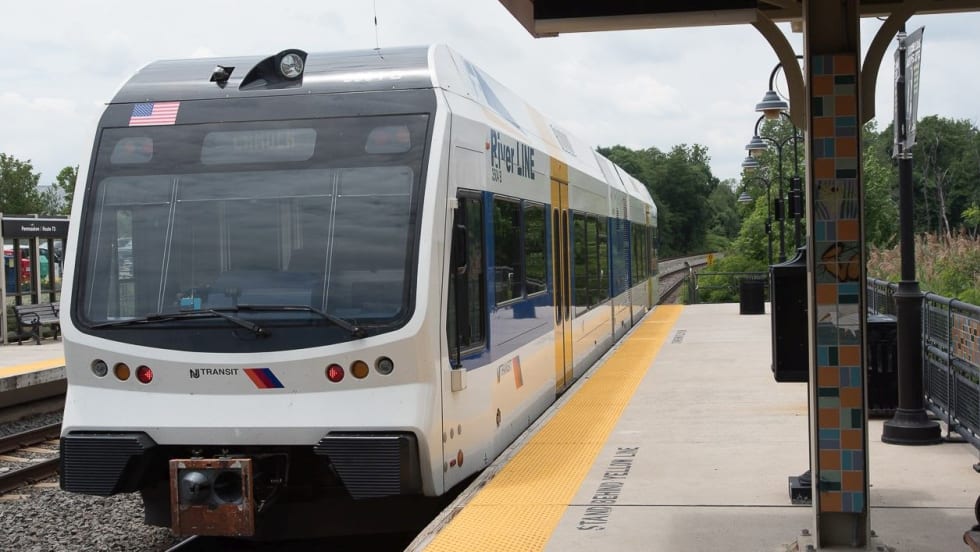
NJ TRANSIT Issues RFI for Unified Real-Time Customer Information Platform
The agency is seeking input from companies that provide real-time transit communications systems as part of an effort to enhance the customer experience and modernize how riders receive service alerts, travel information, and system status updates.
Read More →
Mobile Apps and Passenger Information Top METRO's Business Briefs
In our latest installment, we take a look at recent news from Masabi, Axentia, Moovit, and more partnerships making headlines across the transportation sector.
Read More →
Biz Briefs: Masabi Partners with LANTA and More
In this edition, we spotlight the latest developments shaping the future of mobility.
Read More →
Joshua Schank on Transportation Innovation, Risk, and the Future of Mobility
In this edition of METROspectives, Joshua Schank discusses lessons from launching LA Metro’s Office of Extraordinary Innovation, the challenges of advancing new mobility technologies, and much more.
Read More →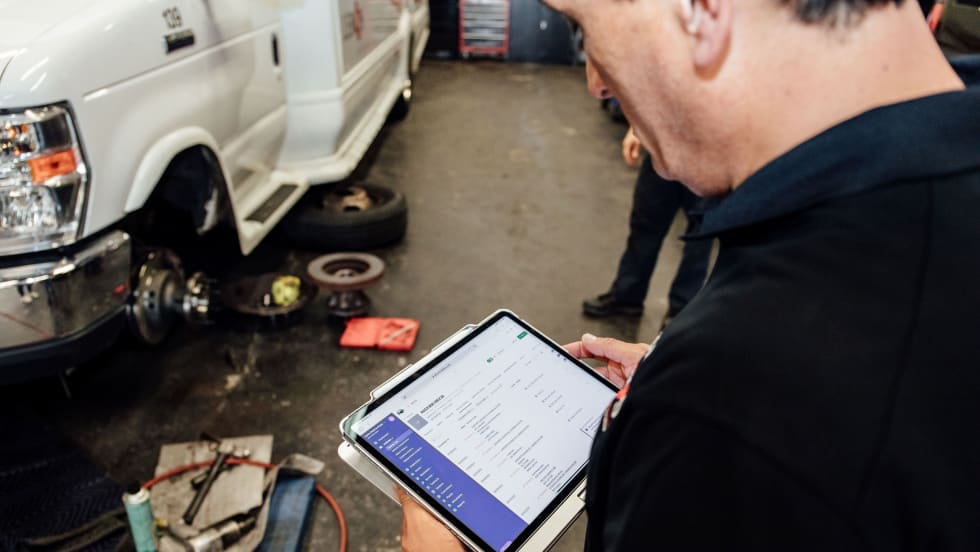
Reinventing Fleet Maintenance with Real-time Visibility and AI
Transit leaders need to know what needs fixing, where to look, who is responsible, when work is completed, and what it costs without having to chase information across disconnected systems.
Read More →
Alstom Acquires Delaware Site to Support Amtrak NextGen Acela Fleet
The company is investing more than $55 million to acquire and improve the property and will employ approximately 100 people at this site once it is operational.
Read More →