



Masabi secures $20M during growth funding round
The capital will accelerate Masabi’s global expansion of its award-winning mobility platform, Justride.

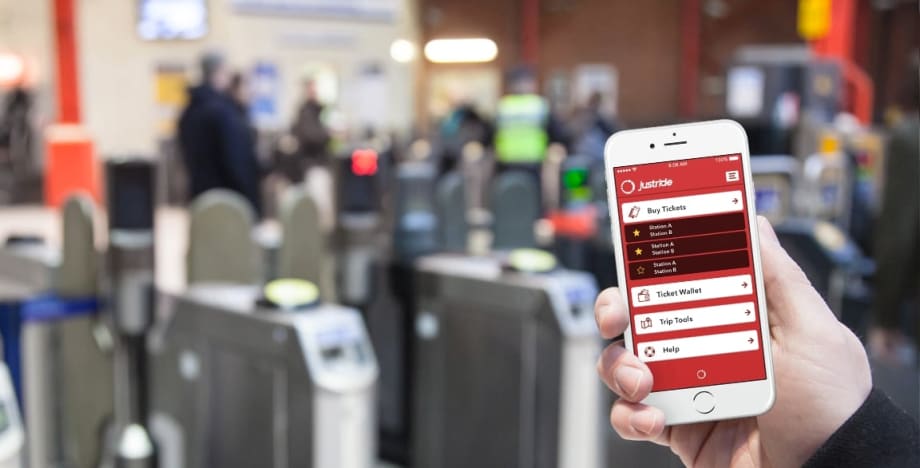

Masabi, the company bringing Software-as-a-Service (SaaS) ticketing and payments to public transport, announced a $20 million growth funding round with investment led by Smedvig Capital with MMC Ventures and other existing investors.
The capital will accelerate Masabi’s global expansion of its award-winning mobility platform, Justride, and fast-track the company’s role in bringing digital transformation to transit agencies and operators of all sizes, enabling the foundations for integrated multimodal journeys.
On target to exceed $1 Billion in annual transit ticketing sales over the coming year, Masabi will continue building on its recent additions to Justride, which removes the need for passengers to buy a ticket. Instead, they simply tap a contactless bank card, mobile phone, or smart card to travel. These innovations, together with world-first integrations with transport leaders including Uber, Transit, Jorudan, and Keolis, are making it easier for people to discover and access public transit services in an efficient and scalable way, helping place public transit at the center of the global Mobility-as-a-Service (MaaS) movement.
Masabi, which developed the first and only ticketing Justride Software Development Kit (SDK) for public transport, enables urban mobility providers such as journey planners and bike-, scooter- and ride-sharing services to integrate public transit into their applications, connecting services for a seamless passenger experience:
In April, Masabi and Transit launched an integrated service for riders in St. Catharines, Canada, enabling them to use Transit to access and ride on public transit services.
Early in 2019, Masabi announced a new combined solution with Uber and Regional Transportation District (RTD) in Denver - the first US-based transit agency to benefit from an integrated public transit experience within the Uber app.
Globally, Masabi’s Justride SDK is now live in France and Spain with SDK partners Kisio Digital and Gertek, and is licensed in Japan through a partnership with Jorudan, Japan’s leading trip planning service.
More Technology
Video Surveillance in Public Transit: What Riders Really Think
As video surveillance gains public acceptance, new research from Axis Communications reveals what transit riders expect from agencies when it comes to safety, privacy, and AI.
Read More →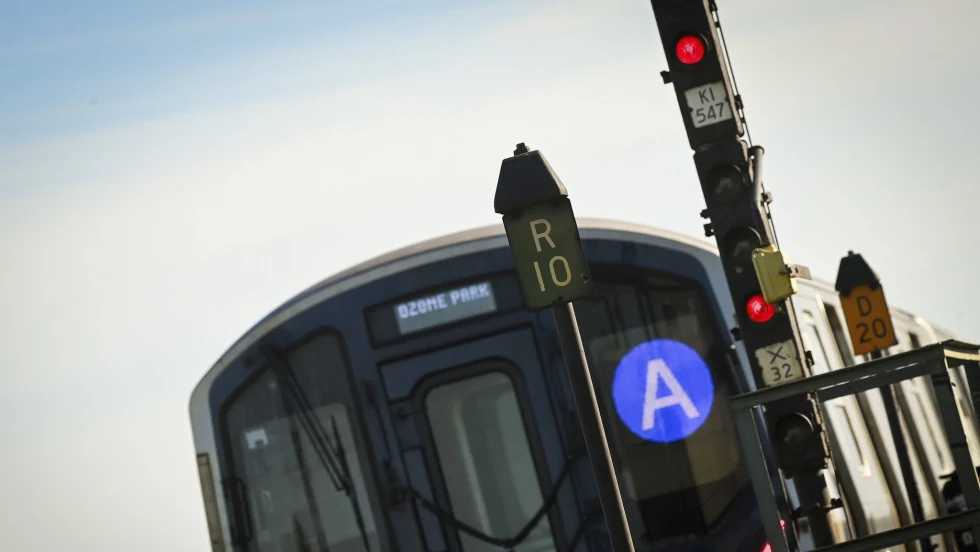
New York MTA Launches Historic $1.9B Signal, Track Modernization Project
Funded in part by congestion pricing revenue, the project will replace nearly century-old signals along the A and C lines in Brooklyn and Queens.
Read More →
Biz Briefs: New Electric Offering from Alexander Dennis/Volvo, Transdev in Boston, and More
In METRO's latest installment, we also take a look at recent news from STV, WSP, Prevost, and more partnerships making headlines across the transportation sector.
Read More →
Roman Cornell on ABC Companies’ Evolution and the Future of Passenger Transportation
The company’s CEO discusses carrying forward a third-generation family legacy, ABC’s continued evolution in passenger transportation, support for increasingly complex fleets, and how technology and continued investment could help operators improve uptime.
Read More →
ETA CEO John Maglio on Transit Technology, Innovation, and Building Agency Trust
ETA founder and CEO John Maglio explores the evolution of transit technology, the importance of reliable systems, and how stronger partnerships can help agencies improve operations and the passenger experience.
Read More →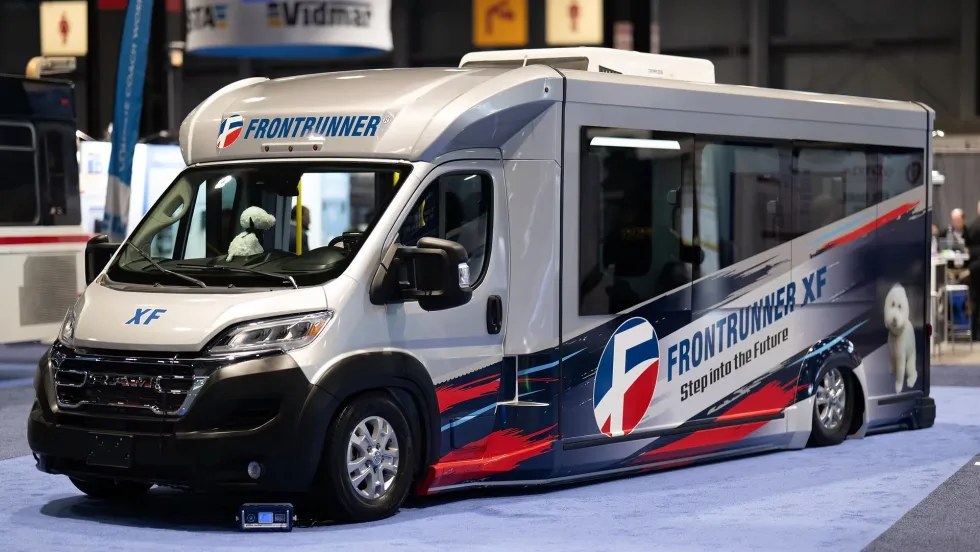
Frontrunner Bus Group Introduces XF Low-Floor Bus with Enhanced Accessibility
The new mid-sized bus features a full flat-floor design, eight-inch curbside step-in height, and zero-entry rear ramp to improve passenger access and operational flexibility.
Read More →
Building a Flexible Path to Transit Electrification with BAE's John Hroncich
John Hroncich discusses BAE Systems’ modular and scalable approach, lessons learned from decades of real-world operations, and how agencies can identify electrification strategies that fit their fleets.
Read More →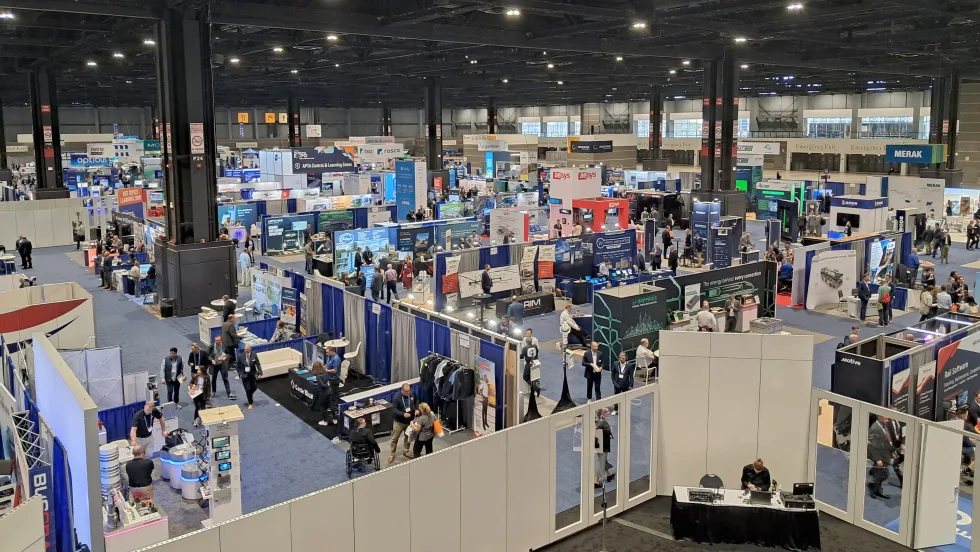
Scenes from APTA TRANSform & EXPO 2026
Transit leaders, manufacturers, and industry professionals gathered in Chicago to explore new technologies, share ideas, and discuss the future of public transportation.
Read More →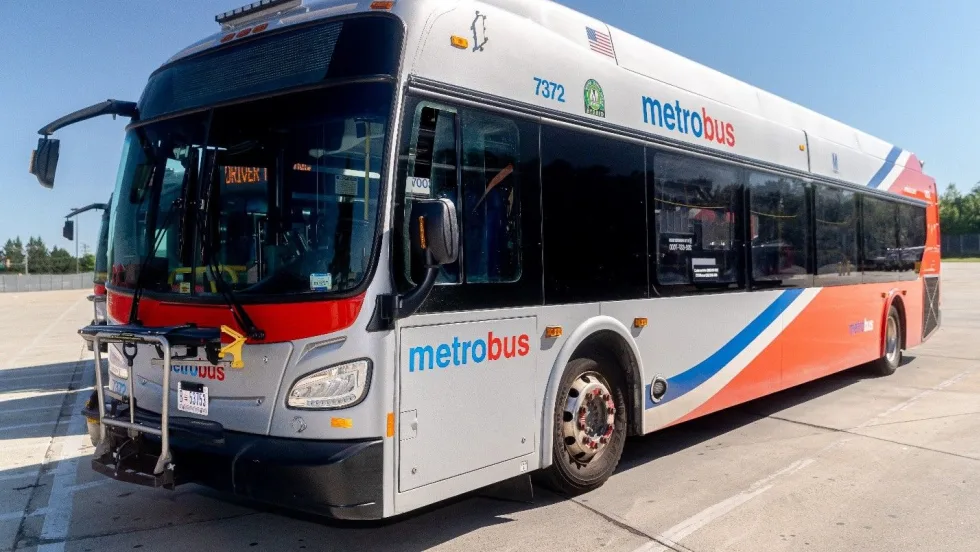
Biz Briefs: New Flyer Secures Additional 100-Bus Order from WMATA and More
In METRO's latest installment, we also take a look at recent news from Masabi, MCI, Samsara, and more partnerships making headlines across the transportation sector.
Read More →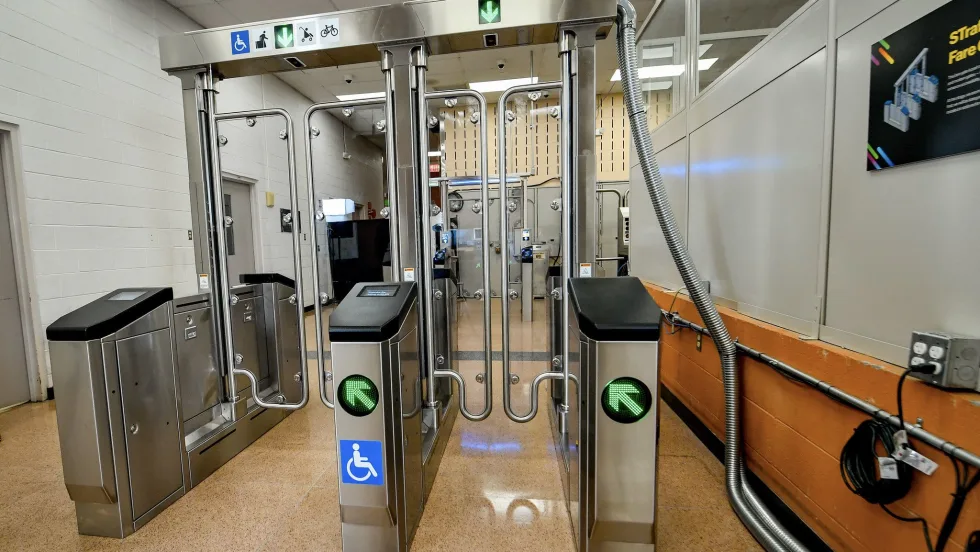
MTA Fare Gate Pilot Reduces Fare Evasion by 35%
Following a 20-station pilot, the agency plans to install new fare gates at 20 additional subway stations as part of a $1.1 billion modernization initiative.
Read More →