




RELATED: MBTA uses AI to deliver info to blind, low-vision riders
Public transit users can now ask Amazon's Alexa, "Where's my bus?"
A USF researcher utilized a new personalization feature for Alexa to upgrade the OneBusAway skill.
December 31, 2019

Voice personalization is now a feature on Amazon Alexa for public transit riders.
Amazon
2 min to read

Voice personalization is now a feature on Amazon Alexa for public transit riders.
Amazon
Voice personalization is now a feature on Amazon Alexa for public transit riders. Sean Barbeau, PhD, research faculty in the USF College of Engineering’s Center for Urban Transportation Research utilized a new personalization feature for Alexa to upgrade the OneBusAway skill. The skill can now recognize a user’s voice and link it to a specific bus stop and route. This allows passengers to simply ask “Alexa, where’s my bus?” and get personalized real-time information on arrival times.
OneBusAway is an open-source app that services ten cities, including Tampa, Fla. The corresponding Alexa skill previously couldn’t tell the difference between users’ voices. It can now provide multiple people status updates on their individual routes.
“This really enhances the user experience for households with multiple transit riders. No more switching back and forth between profiles,” said Barbeau.
Barbeau worked closely with Amazon in the feature’s preview program. Barbeau said, “It’s exciting to see OneBusAway being used as a platform for innovation and to collaborate with top talent in the industry.”
Customers can create voice profiles through the Alexa companion app, allowing Alexa to recognize their voice on most Alexa-enabled devices. Users can then access the skill by saying, “Alexa, enable OneBusAway,” followed by “Alexa, learn my voice.” Once their voice profile is set up, the skill will refer to the user by name, helping ensure they catch the right bus. OneBusAway is maintained by the non-profit Open Transit Software Foundation and can regularly be updated by transit agencies, universities and developers.
More Technology
Building a Flexible Path to Transit Electrification with BAE's John Hroncich
John Hroncich discusses BAE Systems’ modular and scalable approach, lessons learned from decades of real-world operations, and how agencies can identify electrification strategies that fit their fleets.
Read More →
Scenes from APTA TRANSform & EXPO 2026
Transit leaders, manufacturers, and industry professionals gathered in Chicago to explore new technologies, share ideas, and discuss the future of public transportation.
Read More →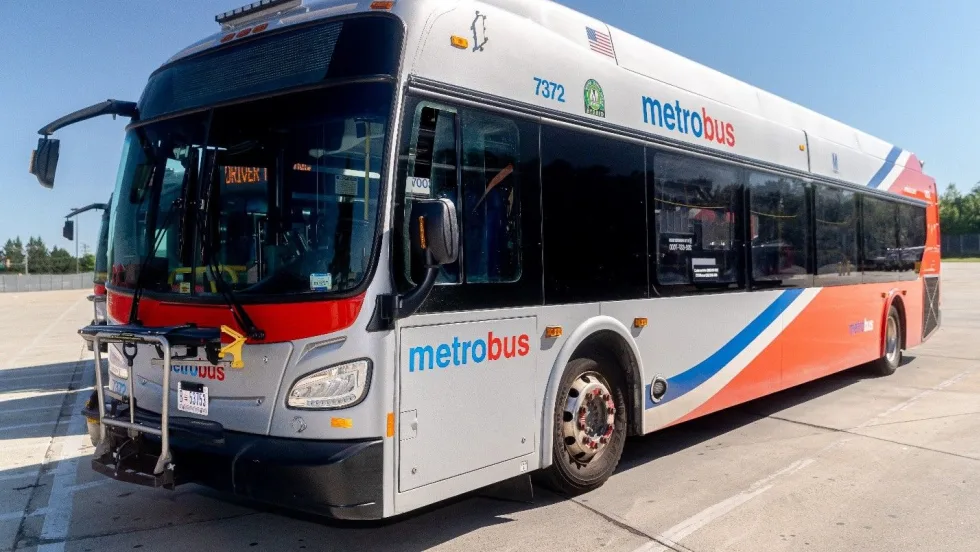
Biz Briefs: New Flyer Secures Additional 100-Bus Order from WMATA and More
In METRO's latest installment, we also take a look at recent news from Masabi, MCI, Samsara, and more partnerships making headlines across the transportation sector.
Read More →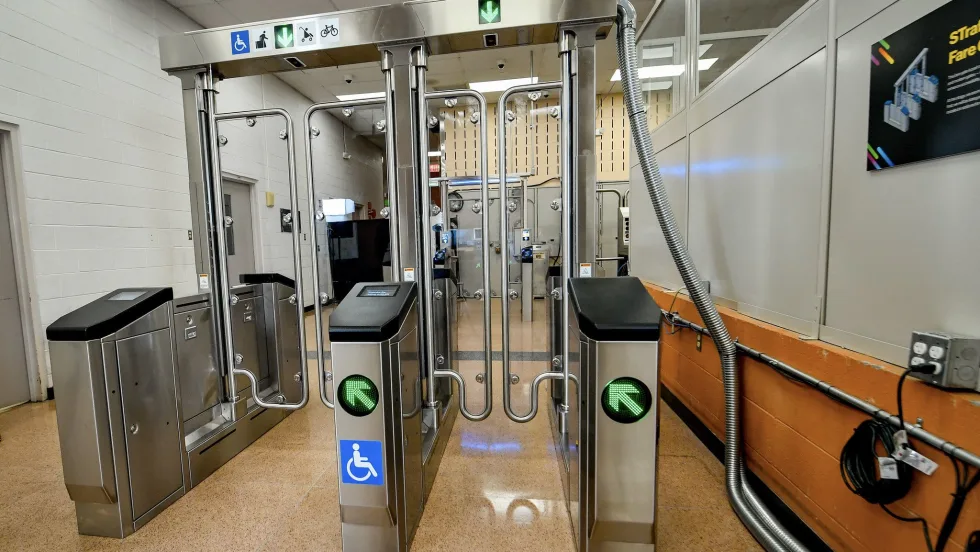
MTA Fare Gate Pilot Reduces Fare Evasion by 35%
Following a 20-station pilot, the agency plans to install new fare gates at 20 additional subway stations as part of a $1.1 billion modernization initiative.
Read More →
California Law Extends AC Transit’s Bus Lane Camera Enforcement
The new law allows AC Transit to continue using forward-facing bus cameras to enforce parking violations in bus-only lanes and at bus stops.
Read More →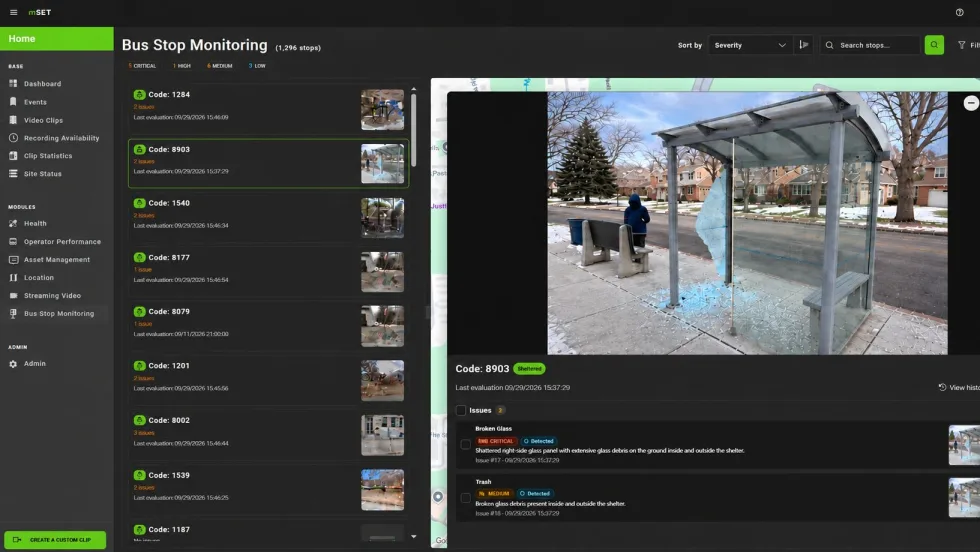
Biz Briefs: Luminator Launches AI Technology to Monitor Bus Stop Conditions and More
In METRO's latest installment, we also take a look at recent news from Masabi, Troman Industries, ioki, CCW, and more partnerships making headlines across the transportation sector.
Read More →
Public Transit Conference Returning to GFX in 2027, Call for Papers Now Open
The Call for Papers is now open, allowing transit agency professionals and industry experts to help shape the PTC educational program by submitting session ideas for consideration.
Read More →
ENC Lands MATA Contract and More in Biz Briefs
In this edition of Biz Briefs, we spotlight the latest developments shaping the future of mobility.
Read More →
Strada360’s Steve Lassey on Turning Transit Data Into Better Decisions
From breaking down data silos to preparing for AI, Strada360 CEO Steve Lassey discusses how transit agencies can use technology to improve operations, customer information, and long-term decision-making.
Read More →
Almaviva Looks to Open Architecture to Advance Transit Technology
Eric Reese discusses how interoperability, open architecture, and modular design can help transit agencies control costs, reduce vendor lock-in, and upgrade technology without starting over.
Read More →