



California to require airport shuttles to go zero emission by 2035
The regulation applies to public and private fleets, including parking facilities, rental car agencies, and hotels.

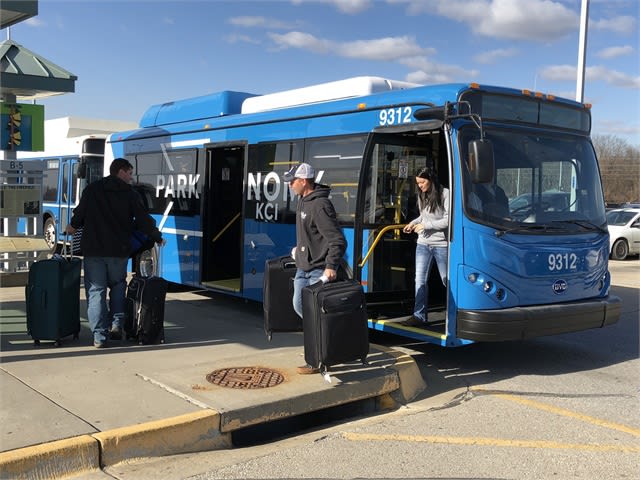
Airport shuttles are particularly well-suited to zero-emission technology because they operate up to 200 miles per day on short, fixed routes with low average speeds in a stop-and-go pattern.
BYD
Airport shuttles are particularly well-suited to zero-emission technology because they operate up to 200 miles per day on short, fixed routes with low average speeds in a stop-and-go pattern.
BYD
The California Air Resources Board approved a rule requiring fixed-route airport shuttles serving the state’s 13 largest airports to transition to 100% zero-emission vehicles (ZEV) by 2035. The regulation applies to public and private fleets, including parking facilities, rental car agencies, and hotels.
With almost 1,000 airport shuttles in operation, the regulation is expected to reduce greenhouse gas emissions by at least 500,000 metric tons, with a beneficial economic impact for shuttle fleets owners of an estimated $30 million in reduced fuel and maintenance costs.
“Shuttles are a vital part of airport activity,” said CARB Executive Officer Richard Corey. “The transition to zero-emission shuttles not only provides consumers with clean, quiet transport but will help further expand the reach of this ultra-clean technology into the heavy duty transportation sector.”
Airport shuttles are particularly well-suited to zero-emission technology because they operate up to 200 miles per day on short, fixed routes with low average speeds in a stop-and-go pattern. Zero-emission shuttles are already operating throughout California. Six airports, as well as private businesses serving nine airports, have purchased ZEV airport shuttles. In addition to 48 ZEVs currently operating, nearly 100 additional zero-emission shuttles have been ordered, many of which have been awarded incentive funding through the state. Combined, on-order, and currently operating ZEV shuttles represent more than 15% of all airport shuttles in California, but increased adoption of these technologies is needed to meet air quality and climate goals.
Elsewhere in the country, major airports in New York City, New Jersey, Atlanta, Kansas City, Indianapolis, and Raleigh, N.C. are deploying zero-emission shuttles. These projects also demonstrate the technological and market readiness of ZEVs for airport operations.
The rule will be phased in over a 13-year period. Beginning in 2022, shuttle fleets will be required to report the details of their vehicles. Starting in 2023, if fleets are replacing a ZEV shuttle, the replacement vehicle must also be a ZEV.
The rule starts with annual reporting to CARB in 2022, and will end in 2035 with a fully compliant, 100% ZEV airport shuttle fleet.
The schedule is designed to allow fleets to remain eligible for incentive funding during most of the transition period, and to use their current shuttles for the remainder of their useful life. It also provides adequate time for infrastructure planning and installation.
CARB staff will work with airport shuttle operators and stakeholders of other CARB zero-emission regulations to facilitate sharing of technology and implementation strategies.
The agency is also developing a proposal that would achieve additional emission reductions by requiring zero-emission airport ground equipment.
More Zero Emissions
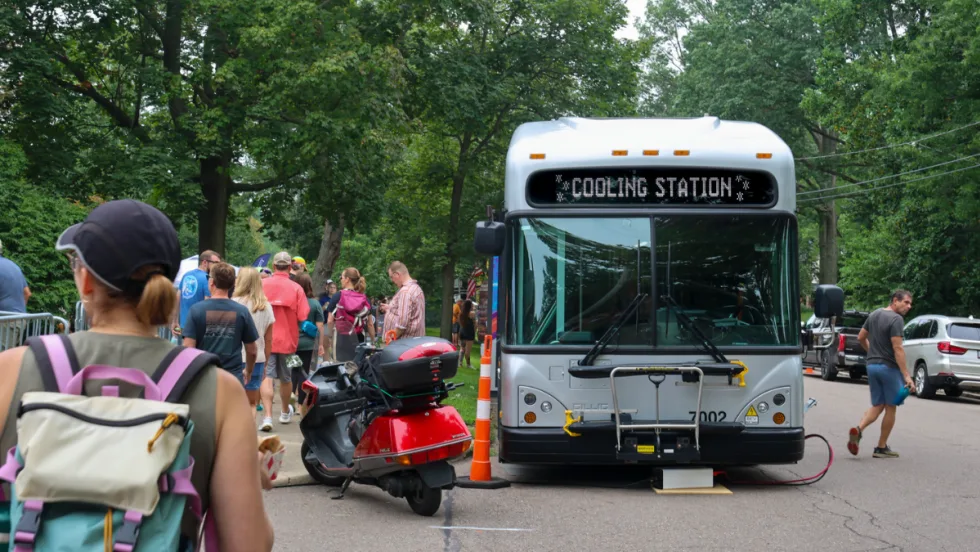
Ohio’s METRO RTA Turns Electric Buses into Mobile Power Sources at PorchROKR
See how three Gillig battery-electric buses powered festival stages while the agency’s new Park & Ride service carried approximately 1,000 attendees, demonstrating another potential use for transit agencies’ electric fleets.
Read More →
CALSTART and Forth Combine to Form Catalyst Mobility
The new name represents a renewed vision for the nonprofit focused on advancing clean, equitable, and affordable transportation solutions that move people and goods.
Read More →
Building a Flexible Path to Transit Electrification
John Hroncich discusses BAE Systems’ modular and scalable approach, lessons learned from decades of real-world operations, and how agencies can identify electrification strategies that fit their fleets.
Read More →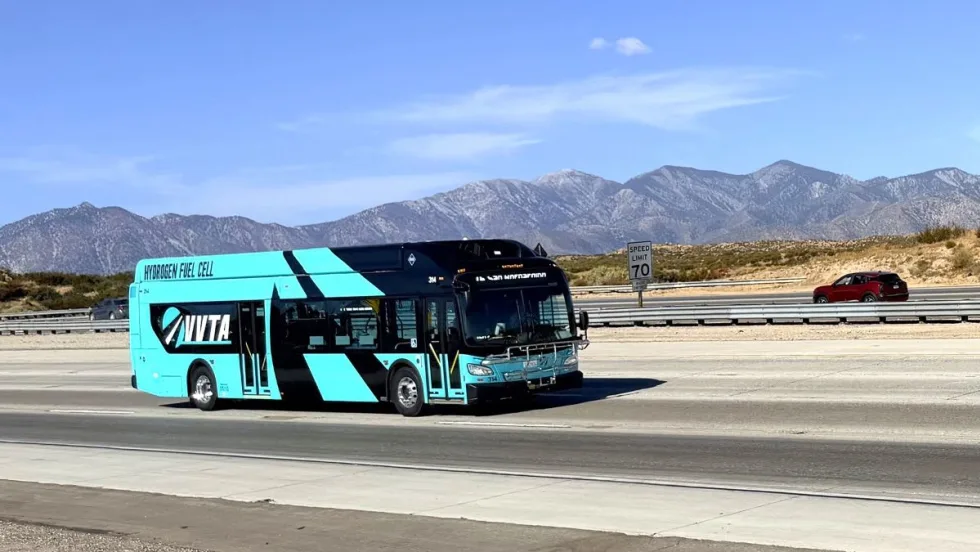
California's VVTA Begins Phased Rollout of Hydrogen Fuel Cell Buses
The agency is introducing 13 zero-emission buses into revenue service while evaluating performance across its urban, rural, and long-distance routes.
Read More →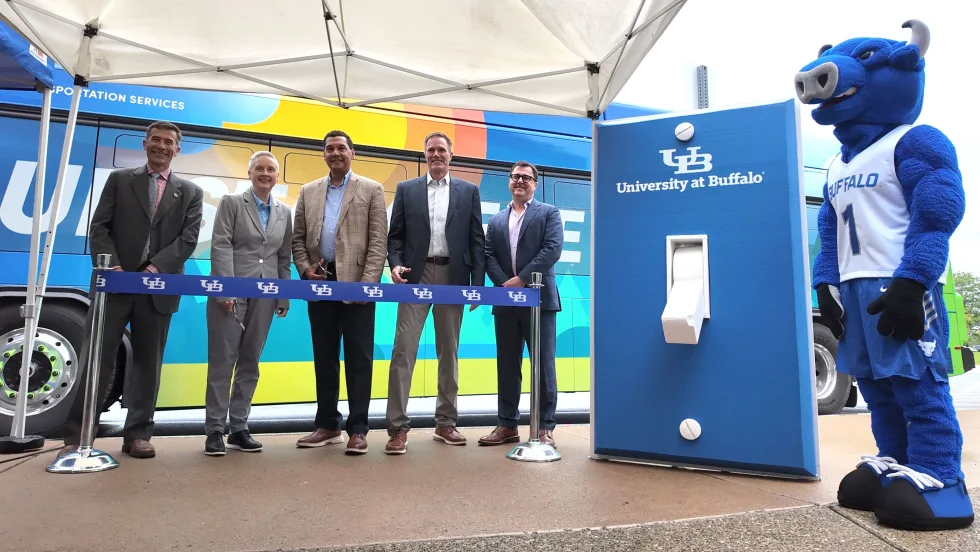
Inside Look: University at Buffalo Puts First 8 Electric Buses Into Stampede Service
UB, transportation solutions provider WeDriveU, and fleet electrification specialist Zenobē marked the deployment in the presence of students, university administrators, and local officials.
Read More →
Biz Briefs: OCTA Taps Clean Energy for Hydrogen Station, Stadler to Supply Via Rail Vehicles, and More
From manufacturers and suppliers to transit agencies and motorcoach operators, these updates offer a snapshot of the projects, partnerships and business moves driving the industry forward.
Read More →
AC Transit’s Cecil Blandon on Building the Next Generation of Transit Maintenance Leaders
The agency’s maintenance chief discusses leadership, workforce development, zero-emission technology, and preparing technicians for the future of public transportation.
Read More →
CTDOT Taps STV for Electric Bus Facility Design
The firm will work with CTDOT and RVT to define the facility layout, operational requirements, and long-term flexibility for RVT’s growing electric fleet.
Read More →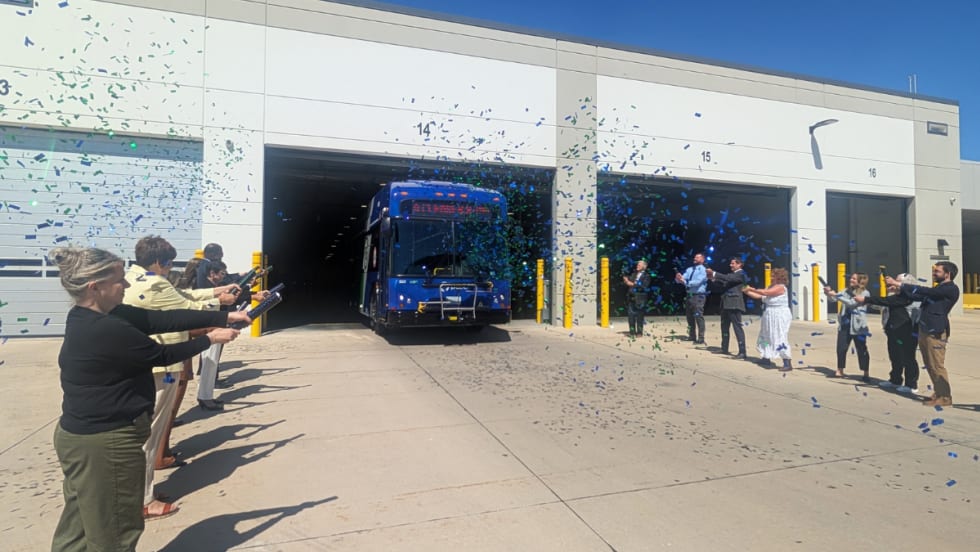
Chicago’s Pace Deploys 24 Hybrid-Electric Buses in Will County
The new buses reduce emissions and fuel consumption while advancing the agency's long-term goal of transitioning to a fully zero-emission fleet.
Read More →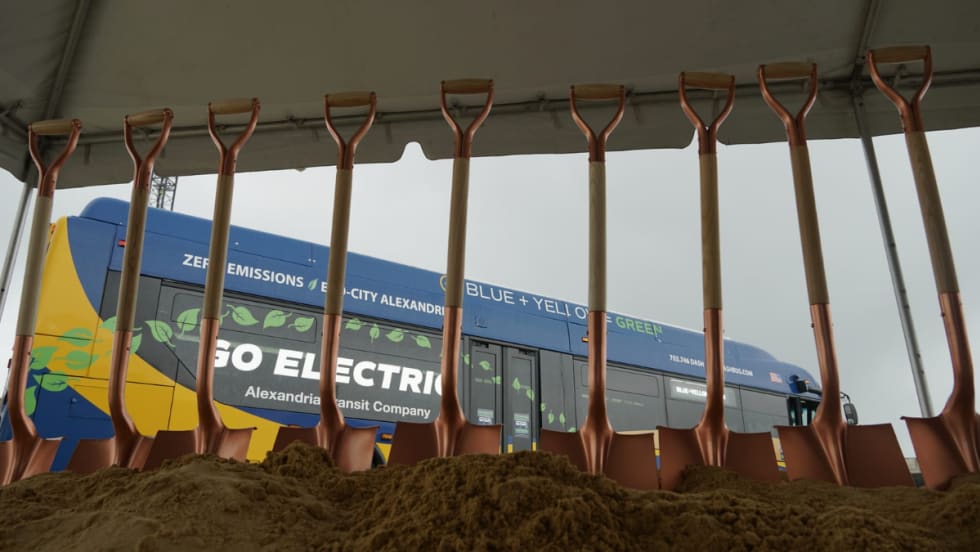
DASH Breaks Ground on First On-Route Electric Bus Chargers in D.C. Region
The fast-charging infrastructure will help extend electric bus range, improve fleet utilization, and support DASH's goal of transitioning to a fully zero-emission fleet.
Read More →