




RELATED: CapMetro puts the health if employees at the forefront
Cost-Effective Ways to Develop More Resilient Transit Employees
There is an epidemic of safety accidents, absenteeism and high turnover among transit’s front line employees and it’s bleeding the transportation industry billions of dollars. But the inoculation may be closer than you think. Employee engagement is the best immunization for what’s ailing the industry.
November 18, 2015

5 min to read

There is an epidemic of safety accidents, absenteeism and high turnover among transit’s front line employees and it’s bleeding the transportation industry billions of dollars. But the inoculation may be closer than you think. Employee engagement is the best immunization for what’s ailing the industry.
According to the 2010 Harvard Wellness in the Workplace Analysis that examined 32 different reviewed studies, employee engagement at work, and the ability to handle the stress associated with that work, is directly tied to an organization’s bottom line. For example, in 2002 Molson Brewing Co. discovered that engaged employees are five-times less likely to have safety accidents. According to UNC’s Keenan Flagler school of business, in 2013 organizations with higher engagement and well-being had on average, 48% less safety incidents, 37% less absenteeism and 25% less turnover (in high turnover industries, which transit is.)
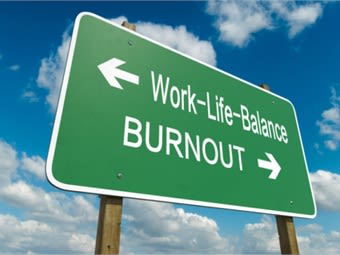
As of 2013 there were 400,000 workers in public transportation in the U.S. For a company of 1,000 people, the cost of unscheduled absences amounts to about $2.5 million per year. That means that the public transit industry is losing over $1 billion a year to unplanned absenteeism costs alone. According to widespread research in the field of workplace development, close to 70% of absenteeism is stress related, or “Burnout.” Occupational burnout is characterized by “exhaustion, lack of enthusiasm and motivation, feelings of ineffectiveness or helplessness, impaired empathy and cynical attitudes towards customers or co-workers.” It is as common amongst transit workers as it is with the emergency medical technicians, crisis workers, doctors and nurses who report high burnout.
ACEP.Org
Burnout in hourly and salaried employees dramatically lowers their engagement, increases their chances of accidents or workplace violence, decimates their customer service skills and radically increases the amount of absenteeism they have.
Solutions that are cost effective, and have been implemented successfully in transit (and other fast-paced/high-stress industries) include: Cost-effective ways to make transit employees more resilient
1. Hire the right personality for the job — Companies that began hiring individuals with a long history of customer service or behavioral health experience instead of emphasizing professional driving experience saw lowered workplace violence, absenteeism, sick days, customer complaints and lawsuits. As society declines, transit professionals must broaden their skills to meet the challenges.
2. Prevention is easier — Building resiliency and engagement is easier with new hires, than it is with experienced transit workers who’ve racked up years of stressors and disillusionment.
3. Treat burnout like a medical condition, because it is — It affects the functioning of employee behavior, mood, physical health, emotional health and workplace engagement in a similar way that a chronic illness might. Avoiding it, or any other medical issue, will not make it go away.
4.Provide free tools such as discount prescription cards like FamilyWize. We encourage all companies we partner with to hand out free resources like this to all employees. Organizations can save on healthcare costs, employees will be healthier (#1 reason why people don’t take medication is cost) and there is often a significant reduction in sick time. It requires no administrative paperwork or maintenance records; it costs nothing to workplaces or workers, and saves an average of 42% on medications.
Training can be a valuable part of the solution. It’s not the entire solution. No one single thing can be the solution for a complex problem like resiliency. The most effective behavioral-based training is grounded in scientific research, has measurable returns on investment and is fitted to your organization or industry through a needs assessment. Training is most effective when the entire company is on the same page and the behavioral shift is unified.
According to Sean Smith, GM of N.C.'s Durham Area Transit Authority, “When people are your ‘product,’ the better transit organizations understand the complex dynamics of the relationship between the riding public and the transit company. GO Durham needed a (training) program that that would take real world applications and connect them to local transit issues. I did not want a 'cookie cutter' customer interaction program. I needed something that Go Durham employees could relate too and implement in their daily duties. Training must be experiential, interactive and realistic.”
Make the hard decision. Remove front line employees and managers that are toxic to the organization. Often, the majority of an organization’s issues are caused by a handful of individuals. While aggressive, overly negative, unprofessional or abusive behaviors are sometimes tolerated, the impacts are devastating on engagement, employee performance, and an organization’s bottom line.
Cross Training isn’t just for athletes. Direct your front line workers to spend an hour or two with dispatch. Insist your management responsible for policy creation and discipline, ride along (or drive, for the brave managers who’ve maintained their CDL) in plain clothes on the bus for a few hours. This helps workers understand why things are done the way they are, or sheds light on areas that need improvement through collaboration. This type of program has boosted morale, created companywide unity, created financial savings and generated support that raised employee resiliency.
Transit continues to rapidly shift in order to adapt to an ever-changing ridership that has complex needs. While companies regularly modernize their vehicles, they often forget to upgrade their workforce. Providing transit workers with the right environment, skills and support to do the best job possible will drive up engagement, resiliency and to stop the flow of wasted dollars.
Zach Stone is co-founder/chief strategy officer for Red Kite Project, a resiliency building firm.
In case you missed it...
Read our previous blog, "How Effective Scanning Helps Bus Operators See Potential Driving Hazards."
Subscribe to Our Newsletter
More Blog Posts
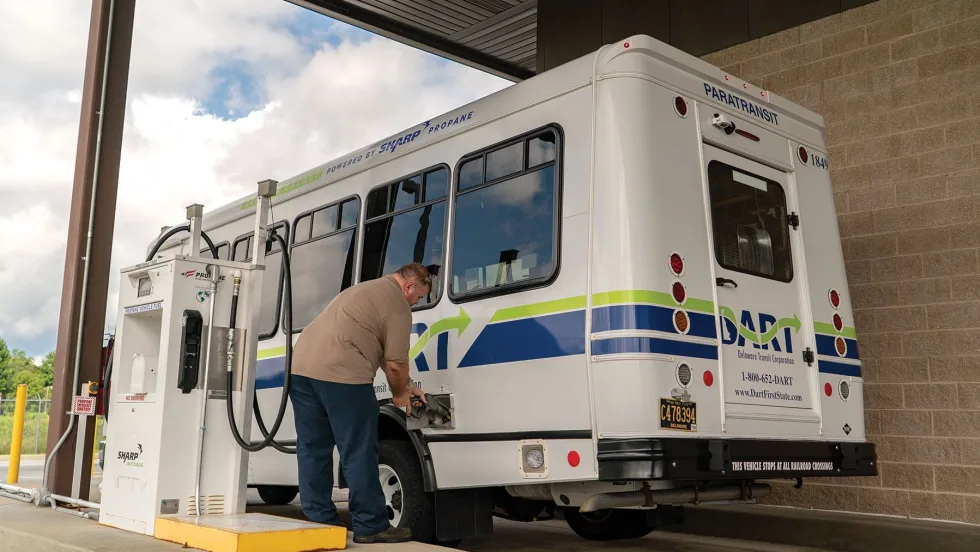
Building a Winning FTA Grant Proposal: Why Propane Autogas is the Pragmatic Choice for Fleet Resilience
With $610 million available through the FY 2026 Buses and Bus Facilities Competitive Program and the Low or No Emission Grant Program, agencies must build a compelling case before the September 21 deadline that balances environmental compliance with operational feasibility.
Read More →
Velo-city Conference 2026: Latest Trends in Cycling as Part of Urban Mobility
The global cycling conference highlighted how cities are integrating bicycles into multimodal transportation networks, expanding cycle tourism and reshaping urban mobility.
Read More →
Kindness Isn’t Soft...It’s Strategic.
Mike Bismeyer — often known as “The Kindness Guy” — has spent more than 17 years in public transit and mobility, serving in industry leadership roles, speaking across North America, and advocating for stronger workplace cultures. But his message doesn’t come from theory. It comes from lived experience.
Read More →
Inside ITF 2026: Transport Reacts to A Challenging World
Transport leaders from around the world gathered in Leipzig, Germany, for the 2026 International Transport Forum to discuss resilience, climate impacts, supply chains and the future of sustainable mobility.
Read More →
Every Ride Tells a Story — But You’re Not Just Selling the Ride
You’re selling the moment, the meaning, and the emotion behind it.
Read More →
How Digital Signage is Reshaping the Traveler Experience at Transportation Hubs
What was once a landscape of static signs has evolved into a responsive, immersive environment powered by real-time visual communication.
Read More →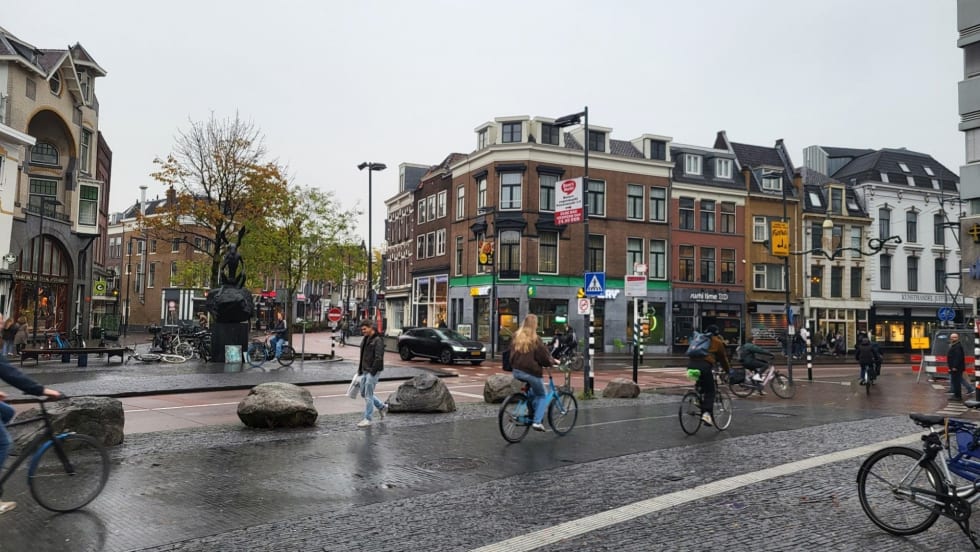
Latest Trends in Urban Mobility from Polis Conference 2025
Polis comprises cities and regions, as well as corporate partners, from across Europe, promoting the development and implementation of sustainable mobility. This year’s event had over a thousand attendees across various policy forums and an exhibition.
Read More →
Why Transit Leaders Require Better Tools for Operational Clarity In Today’s Tech-Fragmented Environment
Across North America and beyond, transit agency officials are contending with a perfect storm of operational headaches and strategic challenges that hamper daily service and long-term progress.
Read More →
The Powerless Brokers: Why California Can’t Build Transit
It is no secret that transit in the U.S. is slow and expensive to build.
Read More →
Why Transport Sustainability Should Focus on People Instead of Cars
Simply incentivizing electrification is not enough to make a meaningful impact; we must shift our focus toward prioritizing public transportation and infrastructure.
Read More →