



Getting Better on Purpose
The notion of agencies being over- or underfunded, I argued, doesn’t hold up. If an agency wants to turn up the heat — to grow beyond the status quo — it must demonstrate measurable value.


TriMet in Portland established a measurable and prioritized goal to improve its customer satisfaction.
Photo: TriMet
- The funding level of an agency, whether perceived as excessive or inadequate, should not be the primary focus.
- Agencies should aim to exceed the status quo by demonstrating measurable value.
- Growth requires agencies to prove their worth through tangible results.
*Summarized by AI
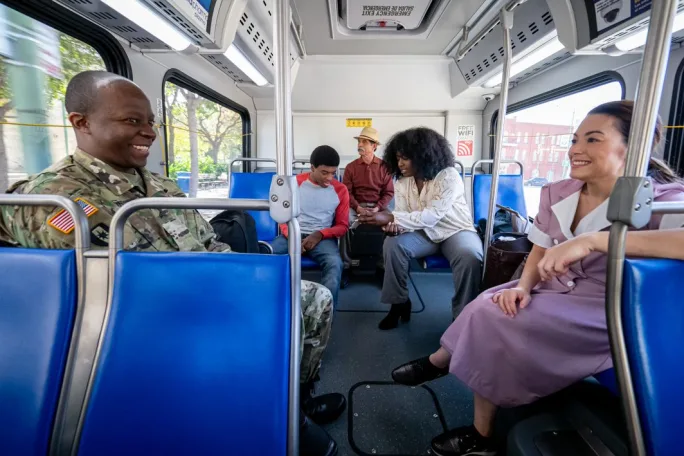
San Antonio's VIA, with industry-leading customer satisfaction, secured a fantastic ballot proposition victory to enhance its high-quality experience.
Photo: VIA
Last time, I shared a perspective on what I call the “Goldilocks principle” of public funding: public agencies are funded just right.
The notion of agencies being over- or underfunded, I argued, doesn’t hold up. If an agency wants to turn up the heat — to grow beyond the status quo — it must demonstrate measurable value.
Examples of such agencies exist across the country.
San Antonio, with industry-leading customer satisfaction, secured a fantastic ballot proposition victory to enhance its high-quality experience.
Toledo, with community value scores exceeding 93%, similarly enjoyed community investment to expand, regardless of its current 3% ridership levels.
Improvement in Action
In June, we hosted our 2nd Annual TransDASH Performance Summit, recognizing and learning from transit agencies that are both leading and demonstrating the most improved performance.
The fundamental truth of these agencies is that they got better on purpose. A list of those recognized is below.
1. FACTS: CDTA in Albany has an astonishing 94% Community Value score — almost 9% above the industry average. Albany leadership achieves such tremendous support because they are focused on the community’s story versus their own. The facts make clear that Capital District residents overwhelmingly support CDTA because the agency:
Connects people to jobs.
Provides mobility for the elderly and disabled.
Supports opportunities for low-income households.
CDTA leans into those priorities and avoids talk of the ADA being "an unfunded mandate" or how to attract "more choice riders."
2.FOCUS: With 2.8 customer trips per revenue mile, Long Beach Transit has designed service to match customer demand better than most mid-sized agencies that are stuck at close to an average of only one trip per mile. Over the last 10 years nationally, demand is down 28%, yet supply is only down 1%. The mismatch between supply and demand has created the so-called "fiscal cliff,” creating immense operational inefficiencies. Long Beach focuses on taking a much different approach, matching supply with demand, and their intentionality has earned them best in class for efficiency.
3.FIX: TriMet in Portland established a measurable and prioritized goal to improve its customer satisfaction. The result: it jumped 15%. The headline in this success, however, is that they achieved this by focusing on the right KPIs (inputs) in the correct order to produce their desired outcome (higher customer satisfaction). TriMet leadership didn't chase noise from newspaper articles or elected officials; they focused on the right things by following the clear facts, which led to them leading the nation in the highest customer satisfaction improvement.
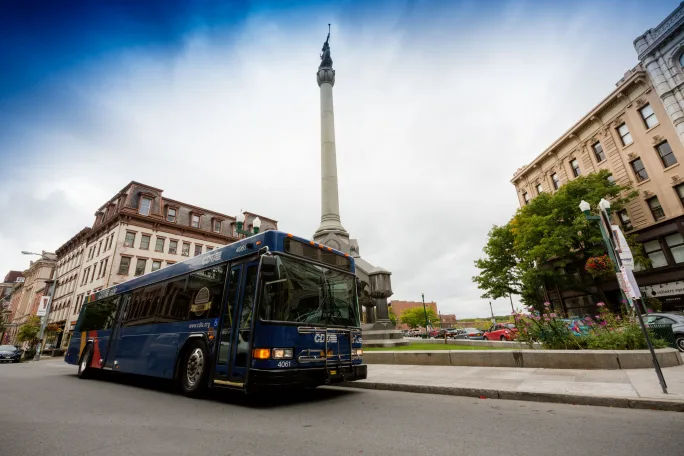
CDTA in Albany has an astonishing 94% Community Value score — almost 9% above the industry average.
Learning from the Best
It is wonderful to select a limited number of outcomes and then focus your agency on becoming best in class on that limited portfolio. But there can only be one leader:
We should know who that is — so we can all learn.
The goal is to improve — to get better on purpose — in the areas we have prioritized.
Learn from those who are producing measurable value.
The facts bear out that 84% of Americans support public transportation. And they are very clear as to why.
And, they don't care a bit if we move just 4% of the total population. Telling the story of the 84% is what will make Goldilocks' porridge "just right."
Quick Answers
The concept doesn't hold up because the focus should be on demonstrating measurable value rather than simply the level of funding.
*Summarized by AI
More Blog Posts
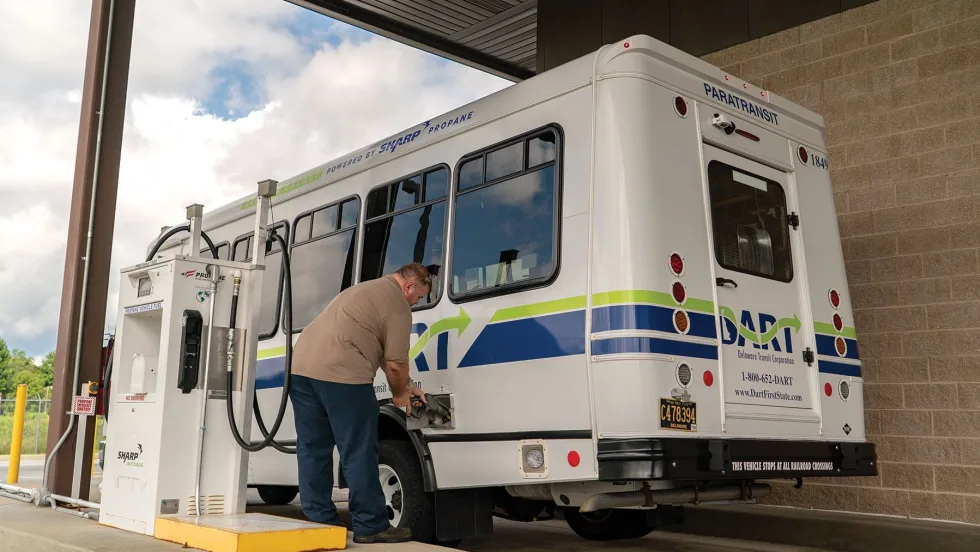
Building a Winning FTA Grant Proposal: Why Propane Autogas is the Pragmatic Choice for Fleet Resilience
With $610 million available through the FY 2026 Buses and Bus Facilities Competitive Program and the Low or No Emission Grant Program, agencies must build a compelling case before the September 21 deadline that balances environmental compliance with operational feasibility.
Read More →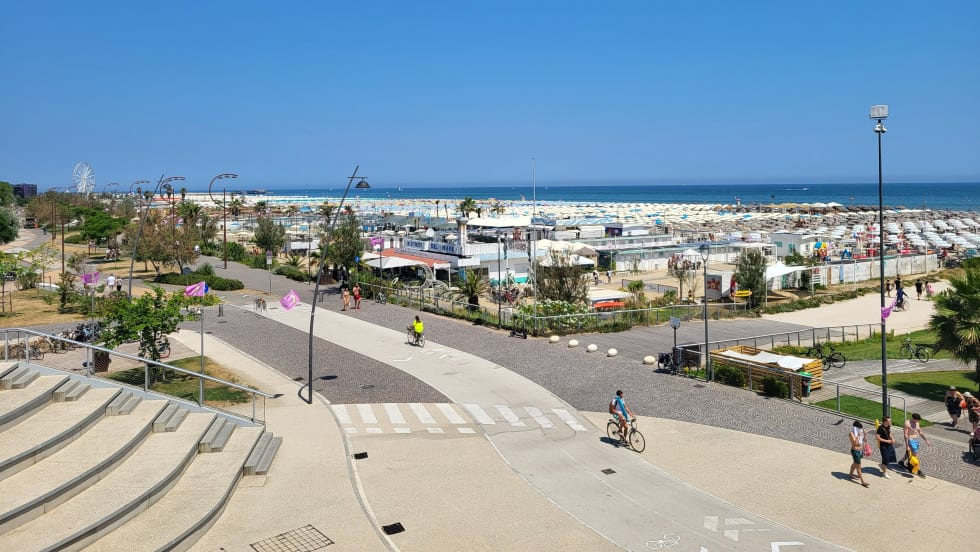
Velo-city Conference 2026: Latest Trends in Cycling as Part of Urban Mobility
The global cycling conference highlighted how cities are integrating bicycles into multimodal transportation networks, expanding cycle tourism and reshaping urban mobility.
Read More →
Kindness Isn’t Soft...It’s Strategic.
Mike Bismeyer — often known as “The Kindness Guy” — has spent more than 17 years in public transit and mobility, serving in industry leadership roles, speaking across North America, and advocating for stronger workplace cultures. But his message doesn’t come from theory. It comes from lived experience.
Read More →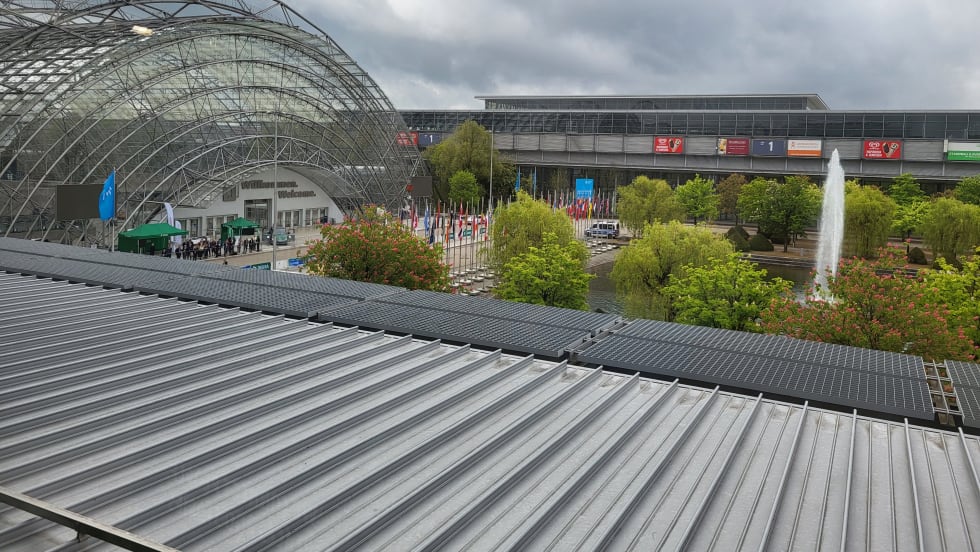
Inside ITF 2026: Transport Reacts to A Challenging World
Transport leaders from around the world gathered in Leipzig, Germany, for the 2026 International Transport Forum to discuss resilience, climate impacts, supply chains and the future of sustainable mobility.
Read More →
Every Ride Tells a Story — But You’re Not Just Selling the Ride
You’re selling the moment, the meaning, and the emotion behind it.
Read More →
How Digital Signage is Reshaping the Traveler Experience at Transportation Hubs
What was once a landscape of static signs has evolved into a responsive, immersive environment powered by real-time visual communication.
Read More →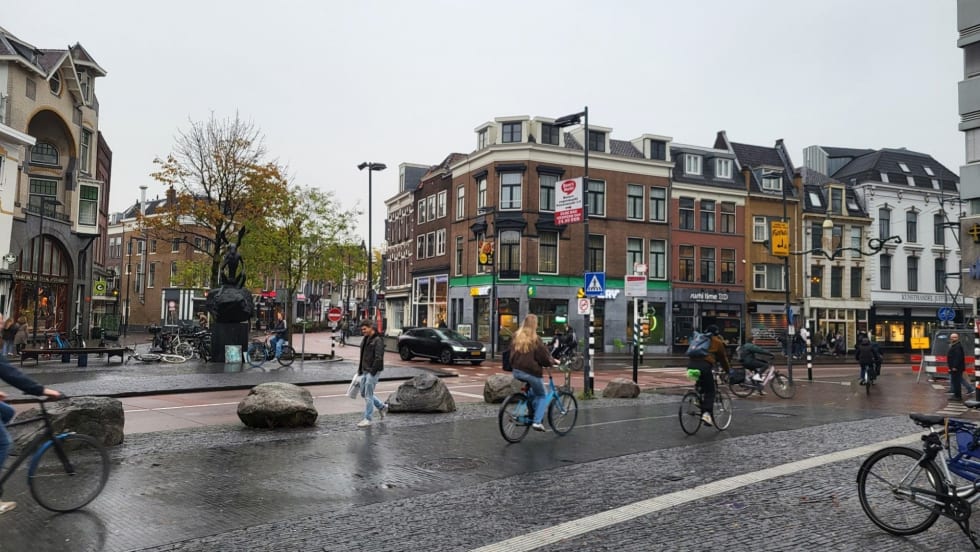
Latest Trends in Urban Mobility from Polis Conference 2025
Polis comprises cities and regions, as well as corporate partners, from across Europe, promoting the development and implementation of sustainable mobility. This year’s event had over a thousand attendees across various policy forums and an exhibition.
Read More →
Why Transit Leaders Require Better Tools for Operational Clarity In Today’s Tech-Fragmented Environment
Across North America and beyond, transit agency officials are contending with a perfect storm of operational headaches and strategic challenges that hamper daily service and long-term progress.
Read More →
The Powerless Brokers: Why California Can’t Build Transit
It is no secret that transit in the U.S. is slow and expensive to build.
Read More →
Why Transport Sustainability Should Focus on People Instead of Cars
Simply incentivizing electrification is not enough to make a meaningful impact; we must shift our focus toward prioritizing public transportation and infrastructure.
Read More →