



How Digital Signage is Reshaping the Traveler Experience at Transportation Hubs
What was once a landscape of static signs has evolved into a responsive, immersive environment powered by real-time visual communication.

This expansion of digital touchpoints is helping to reduce friction, enhance comfort, and create moments of surprise and delight for passengers on the move.
Credit: METRO
- Digital signage has transformed static signs into dynamic, real-time visual communication platforms at transportation hubs.
- The shift to digital allows for responsive and immersive traveler experiences, enhancing information delivery.
- Real-time updates provided by digital signage improve navigation and engagement for travelers in transportation hubs.
*Summarized by AI
From the moment a traveler arrives at a transportation hub, whether an international airport, a downtown train station, or a regional bus terminal, their experience is now shaped not just by architecture or amenities, but by the immediacy and intelligence of digital display technology.
What was once a landscape of static signs has evolved into a responsive, immersive environment powered by real-time visual communication.
Airports are leading this transformation, but rail, metro, and intermodal terminals are quickly catching up. As competition among hubs intensifies, the traveler experience is becoming a strategic differentiator, and displays are playing a central role.
From Wayfinding to Wow: Redefining Traveler Touchpoints
Major U.S. airports like Dallas-Fort Worth (DFW), Minneapolis-Saint Paul (MSP), Portland International (PDX), and LaGuardia (LGA) are deploying next-generation wayfinding solutions that go far beyond simple signage.
Overhead and wall-mounted displays now deliver real-time flight updates, gate directions, service alerts, and emergency messaging (in up to eight languages) dynamically updated to reduce confusion and streamline movement.
Elsewhere in the terminal, innovation continues to redefine the traveler experience.
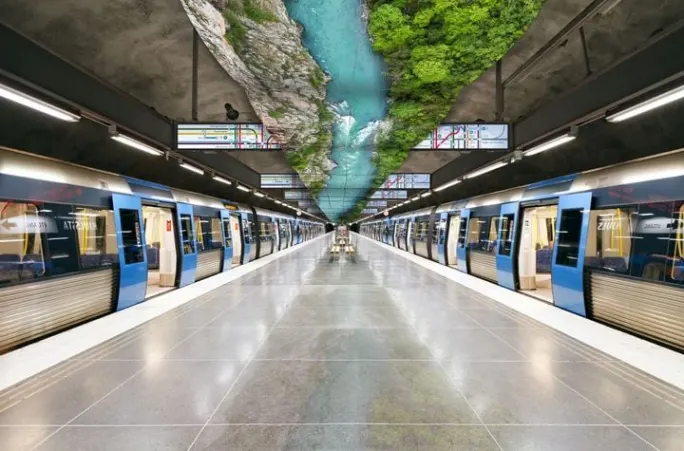
Passenger lounges are becoming immersive digital environments, blending aesthetics with utility through AI-curated reflective displays and video walls. Digital concierge kiosks, already operating in airports such as Boston Logan (BOS) and DFW, offer remote, multilingual support from live agents and are evolving to include AI-driven natural language assistance and traveler personalization.
This expansion of digital touchpoints is helping to reduce friction, enhance comfort, and create moments of surprise and delight for passengers on the move.
The connective layer tying all this together is the evolution of content management systems.
Credit: LG Electronics
Smarter Displays, Smarter Infrastructure
The technology behind these experiences is advancing rapidly.
Today’s commercial-grade displays feature embedded processors and memory that enable multiple high-resolution content streams without external media players. Ultra-wide, ultra-bright LED formats, some nearly 100 inches, are being wrapped around columns, suspended from ceilings, or mounted edge-to-edge as digital walls. Color e-ink displays, meanwhile, offer ultra-low-power options for light-sensitive zones or sustainability-conscious hubs.
Importantly, display innovation isn’t limited to traveler-facing spaces.
Behind the scenes, transportation authorities are deploying expansive video walls in control centers that aggregate feeds from CCTV, rail systems, emergency alerts, and scheduling overlays — keeping teams informed and responsive around the clock. These systems are designed for 24/7 reliability with ultra-fine pixel pitch, signal and power redundancy, and built-in failover features.
The connective layer tying all this together is the evolution of content management systems. These platforms enable synchronized, site-wide updates, remote diagnostics, and even predictive maintenance. Some now integrate with private 5G networks to deliver updates in near-real time, an increasingly important requirement as transportation hubs become faster and more complex.
The Display is the Journey
The most advanced transportation hubs are no longer places to pass through. They’ve become immersive, intelligent ecosystems that engage, inform, and reassure travelers at every touchpoint. Digital displays are central to this transformation, delivering the clarity, immediacy, and responsiveness modern passengers expect.
With a broad portfolio of commercial display technologies now available — from outdoor signage and wayfinding screens to digital menus, video walls, control room systems, and concierge kiosks — transportation hubs are increasingly equipped to support both passenger-facing communication and operational coordination.
Together, these systems connect front-of-house experiences with behind-the-scenes workflows, helping ensure information is delivered accurately, consistently, and at scale throughout the journey.
Quick Answers
Digital signage provides real-time information and immersive visual communication, enhancing the efficiency and enjoyment of the travel experience by reducing confusion and delays.
*Summarized by AI
More Blog Posts
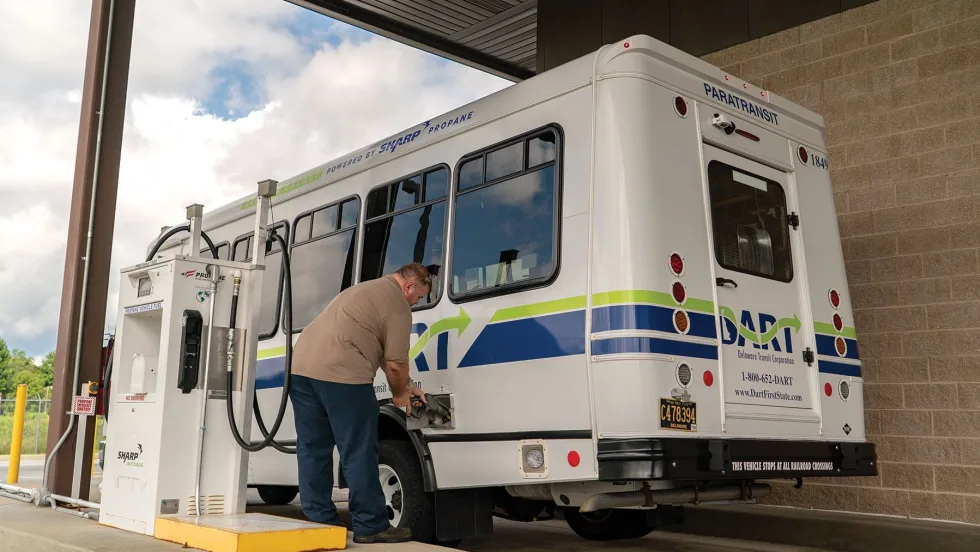
Building a Winning FTA Grant Proposal: Why Propane Autogas is the Pragmatic Choice for Fleet Resilience
With $610 million available through the FY 2026 Buses and Bus Facilities Competitive Program and the Low or No Emission Grant Program, agencies must build a compelling case before the September 21 deadline that balances environmental compliance with operational feasibility.
Read More →
Velo-city Conference 2026: Latest Trends in Cycling as Part of Urban Mobility
The global cycling conference highlighted how cities are integrating bicycles into multimodal transportation networks, expanding cycle tourism and reshaping urban mobility.
Read More →
Kindness Isn’t Soft...It’s Strategic.
Mike Bismeyer — often known as “The Kindness Guy” — has spent more than 17 years in public transit and mobility, serving in industry leadership roles, speaking across North America, and advocating for stronger workplace cultures. But his message doesn’t come from theory. It comes from lived experience.
Read More →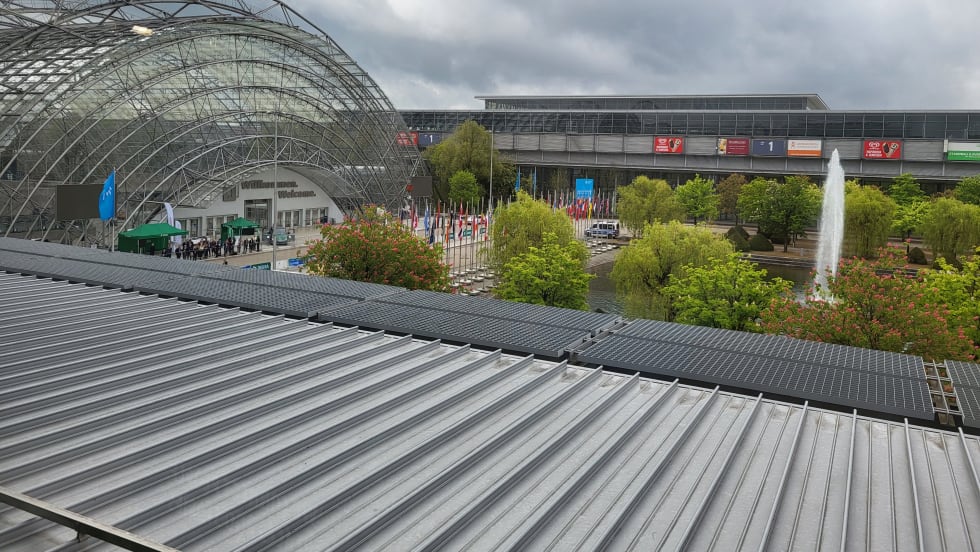
Inside ITF 2026: Transport Reacts to A Challenging World
Transport leaders from around the world gathered in Leipzig, Germany, for the 2026 International Transport Forum to discuss resilience, climate impacts, supply chains and the future of sustainable mobility.
Read More →
Every Ride Tells a Story — But You’re Not Just Selling the Ride
You’re selling the moment, the meaning, and the emotion behind it.
Read More →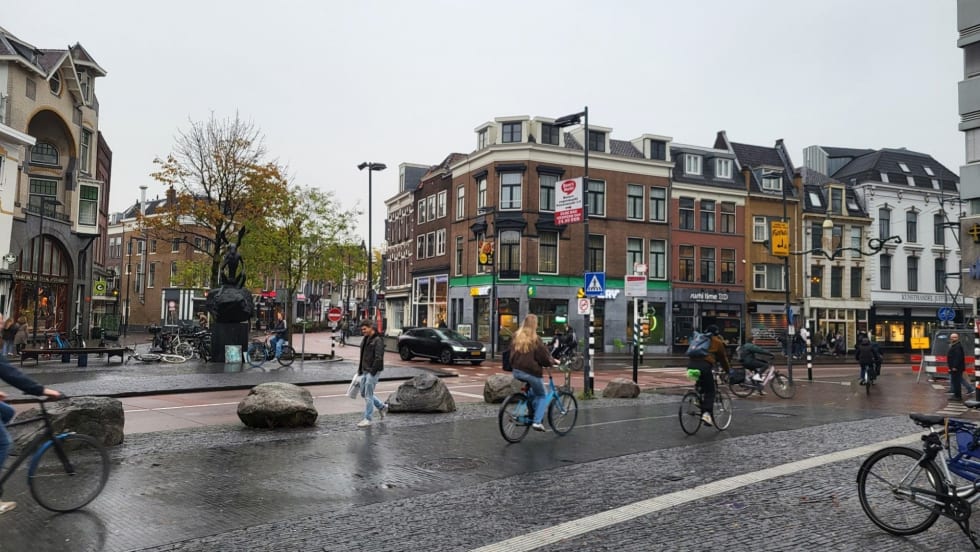
Latest Trends in Urban Mobility from Polis Conference 2025
Polis comprises cities and regions, as well as corporate partners, from across Europe, promoting the development and implementation of sustainable mobility. This year’s event had over a thousand attendees across various policy forums and an exhibition.
Read More →
Why Transit Leaders Require Better Tools for Operational Clarity In Today’s Tech-Fragmented Environment
Across North America and beyond, transit agency officials are contending with a perfect storm of operational headaches and strategic challenges that hamper daily service and long-term progress.
Read More →
The Powerless Brokers: Why California Can’t Build Transit
It is no secret that transit in the U.S. is slow and expensive to build.
Read More →
Why Transport Sustainability Should Focus on People Instead of Cars
Simply incentivizing electrification is not enough to make a meaningful impact; we must shift our focus toward prioritizing public transportation and infrastructure.
Read More →
Transit ROI & System Efficiencies Will Drive 'Big, Beautiful' Transit Funding
For many years, the narrative surrounding public transit improvements has been heavily weighted toward environmental gains and carbon reduction. While these are undeniably crucial long-term benefits, the immediate focus of this new funding environment is firmly on demonstrable system efficiencies and a clear return on investment.
Read More →