



Latest Trends in Urban Mobility from Polis Conference 2025
Polis comprises cities and regions, as well as corporate partners, from across Europe, promoting the development and implementation of sustainable mobility. This year’s event had over a thousand attendees across various policy forums and an exhibition.

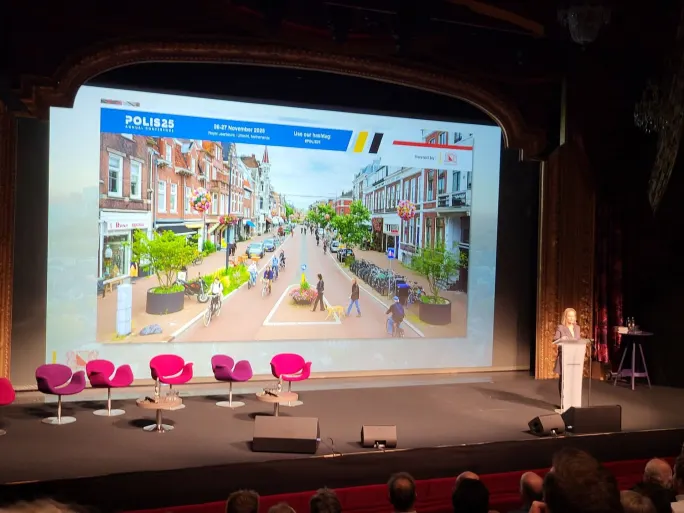
Representatives from a range of cities, including Utrecht and Heidelberg, as well as a health insurance representative and the World Health Organization, discussed these issues.
Photo: Giles Bailey
- The Polis Conference 2025 focused on advancing sustainable urban mobility in Europe, gathering cities, regions, and corporate partners.
- Over a thousand attendees participated in policy discussions and navigated an exhibition showcasing innovative mobility solutions.
- The event served as a platform for collaboration and sharing of best practices among European urban mobility stakeholders.
*Summarized by AI
The POLIS mobility conference was held in Utrecht, the Netherlands, on November 26 to 27. The conference is an annual event within a larger set of member meetings held during the same week, organized by the Brussels-based POLIS group.
Polis comprises cities and regions, as well as corporate partners, from across Europe, promoting the development and implementation of sustainable mobility. This year’s event had over a thousand attendees across various policy forums and an exhibition.
A Picture of the Host City
The POLIS conference provides an opportunity to observe progress in implementation and current challenges in deploying sustainable mobility across the continent.
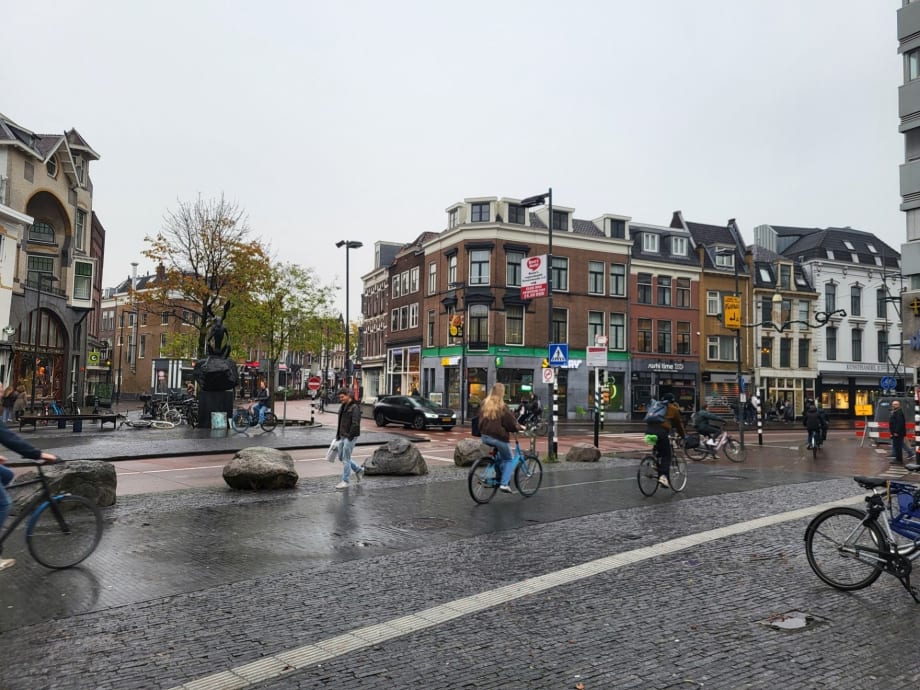
The conference host was the City of Utrecht — a prosperous, multimodal, and sustainable city in the center of the Netherlands.
The apparent success of this city in developing a sustainable mobility environment set the tone for the rest of the conference. The town offers many lessons for cities worldwide while continuing to grapple with its own challenges.
Utrecht is a city of just under 400,000 people in the eastern Randstad area of the Netherlands, which also includes the country's three other most significant towns and has a population of 8.5 million.
The wider region comprises historic urban, suburban, and protected rural areas between the developed towns. The wider region also includes the Port of Rotterdam — the largest port in Europe- and Schiphol Airport — one of Europe’s largest air hubs. This area of the Netherlands is a major economic engine of the continent and a successful, prosperous, and dynamic region.
A common issue across the Netherlands, at present, is how to manage ongoing economic growth, including new jobs and residents.
This population growth is intense and widespread, and most towns are preparing plans for significant new housing. Yet the Netherlands has a long history of comprehensive, compact, and livable community design, as well as of recognizing nature's limits and needs. One is never far from canals and waterways, and much of the country is either below sea level or at risk of severe flooding without constant water management.
Suburban sprawl across the countryside is not being considered as an urban development option in the country. In Utrecht’s case, the city is expected to grow to over 450,000 by 2040.
These issues are driving significant thought and development of mobility policy in the country and are excellent examples of best practice for cities across Europe and the wider world.
The conference host was the City of Utrecht — a prosperous, multimodal, and sustainable city in the center of the Netherlands.
Photo: Giles Bailey
Mobility in the City
In Utrecht, 44% of the city’s internal trips are by bicycle. The cycle is omnipresent as a means of mobility. People of all types use this mode, and cycle flows on city streets can be remarkably intense.
However, the city also has a comprehensive public transport system, including buses and a new tram network. A unique urban feature is that the city’s university campus is on the edge of the built-up area, which generates high passenger flows across the city.
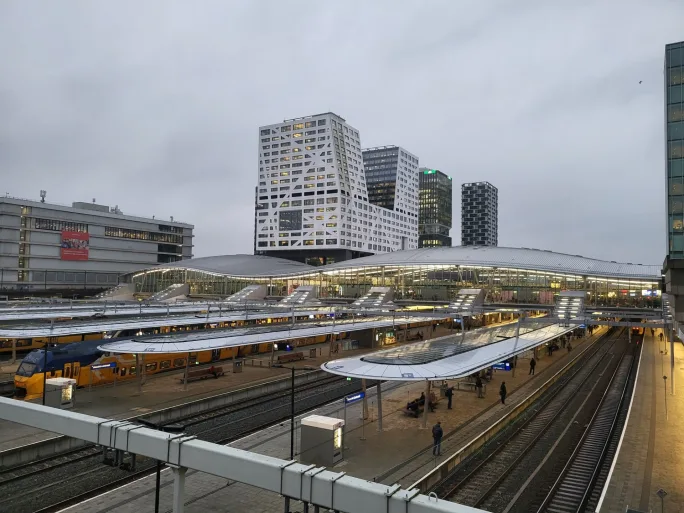
Utrecht is also at the heart of the Dutch railway network. It has the country's busiest and most significant railway station, with over 200,000 passengers embarking and disembarking, and 1,000 daily train arrivals.
The rail network provides ample, timely, and efficient connections to all major cities in the region and across the country. The railway station was rebuilt in full through to 2016 as an expanded multimodal hub for trains, the city’s tram, local and regional buses, and cycles. It includes an underground cycle parking facility for 12,500 bicycles on one side of the station, with another smaller facility on the other.
The station is so large and modern that it feels like a contemporary airport terminal. The railway station area is also being steadily redeveloped into a large-scale, high-rise office and residential quarter to address the economic growth mentioned.
There is optimism about urban mobility, and accessibility in the area is excellent.
The Netherlands is well known for its cycling culture, and Utrecht is a prominent example.
However, it is at the heart of a large, diverse economy, and car and truck traffic is also heavy. Traffic is managed away from the city center, but it has still left the city with a major motorway that divides it from the university area.
The number of bicycles also creates challenges in managing cycle parking in a dense, historic city, prompting the city to aggressively seek solutions to move cycle parking off central city streets and into underground spaces.
Similarly, pedestrian flows are intense, and pedestrians still need to feel safe among city traffic and cyclists. Dutch culture has developed a remarkable tolerance for sharing road and sidewalk space, enabling multiple modes to coexist seamlessly in most cases with minimal conflict. This would not be so typical in most other global cities and cultures.
Utrecht is also at the heart of the Dutch railway network. It has the country's busiest and most significant railway station, with over 200,000 passengers embarking and disembarking, and 1,000 daily train arrivals.
Photo: Giles Bailey
Polis 2025 Highlights
A theme in this year’s conference was “Healthy Urban Living.”
Representatives from a range of cities, including Utrecht and Heidelberg, as well as a health insurance representative and the World Health Organization, discussed these issues.
A key outcome was that doing nothing and maintaining the status quo in most European cities and across the wider world will lead to worsening environmental and health outcomes for residents, which will become increasingly visible. Thus, there is a need to shift the narrative on space in cities to a positive conversation that engages residents and businesses in how they want (limited) space used.
The conference’s final plenary featured speakers from the New Mobility Foundation, a former Prime Minister of the Netherlands (J. P. Balkenende), and the European Union. The session also discussed “Transport Poverty” and the need to improve transport to enable a broader range of citizens to participate socially and economically.
The conference also featured parallel sessions that deepened the discussion of mobility.
One session focused on developing mobility solutions for both emerging and existing suburban areas with less-than-favorable designs for micromobility and other sustainable transport. This is also an issue in the Netherlands, particularly in older suburban areas, and a strong recommendation is to install connections and shortcuts that favor mobility for pedestrians and cyclists and encourage people to explore and enjoy their local communities.
The City of Rome was well represented in the sessions and, in contrast to the situation in the Netherlands, discussed how promoting cycling and traditional public transport has become a key strategic priority, even though cycling levels are currently very low.
Measures include new micromobility infrastructure, low-cost combined tickets for public transport and shared transport, proactive discussions within the city on the needs of sustainable transport, and an extensive long-term program to expand rail-based public transport.
Rome and the Rome Mobility Agency were conference winners of the Polis Award for success in advancing the sustainable mobility agenda.
A further session — provocatively entitled “Fighting Fake Freedom: Overcoming Forced Car Ownership” — examined shared car ownership in global cities, sustainable development in the Netherlands, the role of cars, the impacts of social exclusion where cars are deemed the only viable means of mobility, and why these issues are not discussed more widely within and outside of the mobility community.
The POLIS conference will return in early December 2026 and will be held in Brussels, Belgium.
Quick Answers
The Polis Conference 2025 focuses on the development and implementation of sustainable urban mobility across Europe.
*Summarized by AI
More Blog Posts
Five Years Later: What’s Changed at Greyhound
Five years after Flix acquired it, Greyhound reflects on fleet modernization, operational improvements, employee empowerment, and a renewed focus on customer experience.
Read More →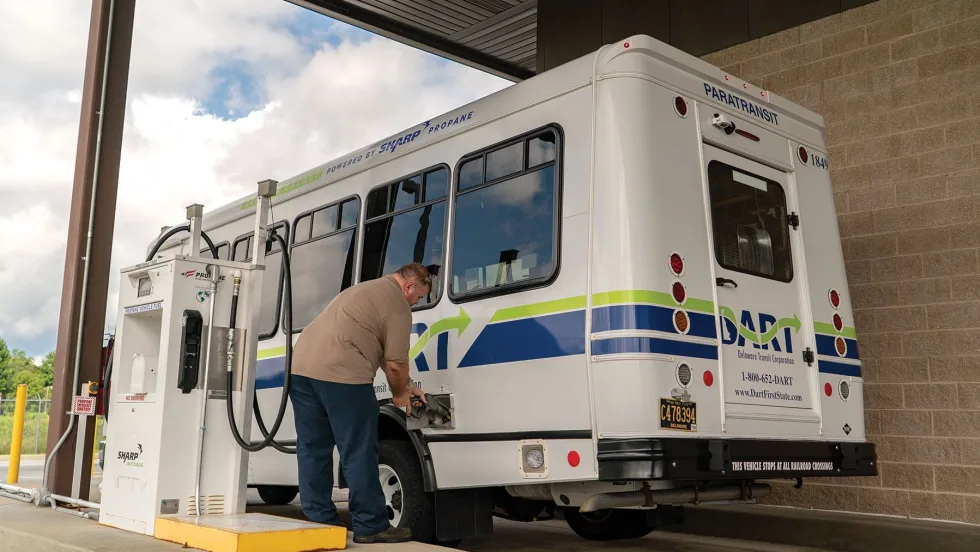
Building a Winning FTA Grant Proposal: Why Propane Autogas is the Pragmatic Choice for Fleet Resilience
With $610 million available through the FY 2026 Buses and Bus Facilities Competitive Program and the Low or No Emission Grant Program, agencies must build a compelling case before the September 21 deadline that balances environmental compliance with operational feasibility.
Read More →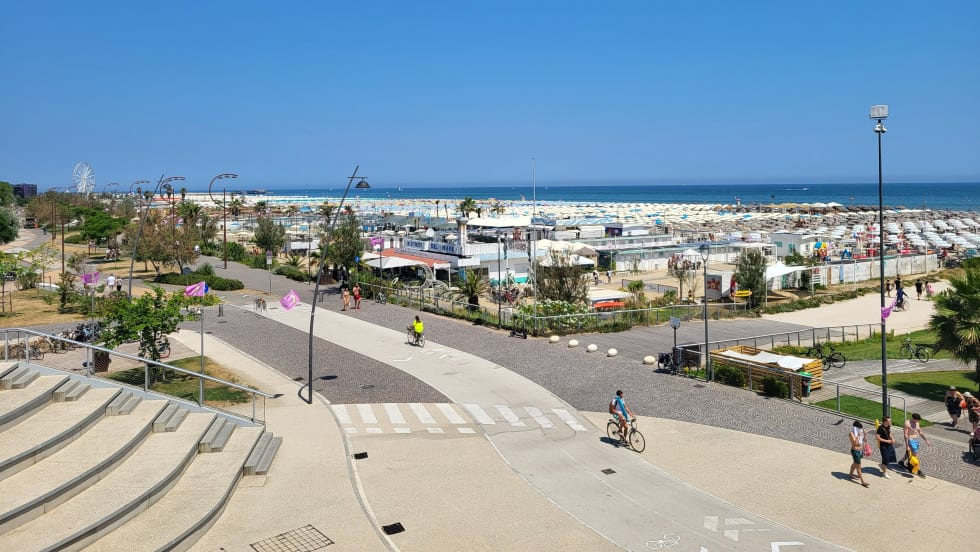
Velo-city Conference 2026: Latest Trends in Cycling as Part of Urban Mobility
The global cycling conference highlighted how cities are integrating bicycles into multimodal transportation networks, expanding cycle tourism and reshaping urban mobility.
Read More →
Kindness Isn’t Soft...It’s Strategic.
Mike Bismeyer — often known as “The Kindness Guy” — has spent more than 17 years in public transit and mobility, serving in industry leadership roles, speaking across North America, and advocating for stronger workplace cultures. But his message doesn’t come from theory. It comes from lived experience.
Read More →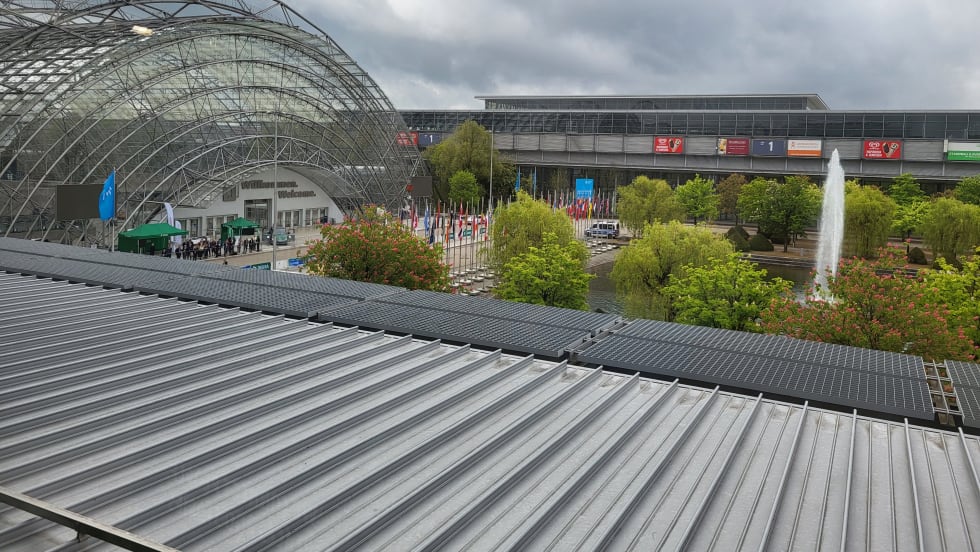
Inside ITF 2026: Transport Reacts to A Challenging World
Transport leaders from around the world gathered in Leipzig, Germany, for the 2026 International Transport Forum to discuss resilience, climate impacts, supply chains and the future of sustainable mobility.
Read More →
Every Ride Tells a Story — But You’re Not Just Selling the Ride
You’re selling the moment, the meaning, and the emotion behind it.
Read More →
How Digital Signage is Reshaping the Traveler Experience at Transportation Hubs
What was once a landscape of static signs has evolved into a responsive, immersive environment powered by real-time visual communication.
Read More →
Why Transit Leaders Require Better Tools for Operational Clarity In Today’s Tech-Fragmented Environment
Across North America and beyond, transit agency officials are contending with a perfect storm of operational headaches and strategic challenges that hamper daily service and long-term progress.
Read More →
The Powerless Brokers: Why California Can’t Build Transit
It is no secret that transit in the U.S. is slow and expensive to build.
Read More →
Why Transport Sustainability Should Focus on People Instead of Cars
Simply incentivizing electrification is not enough to make a meaningful impact; we must shift our focus toward prioritizing public transportation and infrastructure.
Read More →