



Houston light rail expansion to receive full funding
The total construction cost for two lines is $1.6 billion. Each line is receiving a $450 million FFGA. The federal government has already set aside $484.5 million for the two projects as part of the FFGAs. Of that amount, Metro has received $84.5 million.

Expansion of Houston Metro's light-rail system was cleared to receive $900 million as part of two federal Full Funding Grant Agreements (FFGA), which were signed on Monday.
The money will fund construction of the 5.3-mile North (Red) extension and the 6.6-mile Southeast (Purple) lines, marking the first time rail projects in the region received FFGAs, according to Metro President/CEO George Greanias.
The two $450 million grant agreements are funded through FTA's New Starts capital transit discretionary grant program. The total construction cost for the two lines is $1.6 billion dollars. Each line is receiving a $450 million FFGA. The federal government has already set aside $484.5 million for the two projects as part of the FFGAs. Of that amount, Metro has received $84.5 million.
The transit agency expects to continue receiving the federal funding over the next few years.
Expanding Houston Metro's light rail service to the north and the southeast is part of the city's sweeping plan to connect Houston's workforce with major downtown employment centers, including the Texas Medical Center and the University of Houston. With 18 new passenger stops along the way, the expanded light rail will also take riders to Reliant Park, Toyota Center, Minute Maid Park, a new major league soccer stadium now under construction, the Museum District, and the George R. Brown Convention Center/Discovery Green Park.
The new light rail lines, both scheduled to open for service in 2015, will provide alternatives to congested Interstate 45 and U.S. Route 59. They are expected to carry more than 58,000 riders on weekdays, including more than 13,000 new transit riders a day, by the year 2030.
More Rail

When Routine Fails: How Public Transit Must Adapt for the World Cup
The 2026 FIFA World Cup will test transit agencies’ ability to manage unpredictable travel patterns, making real-time data and operational flexibility critical to moving millions of visitors efficiently.
Read More →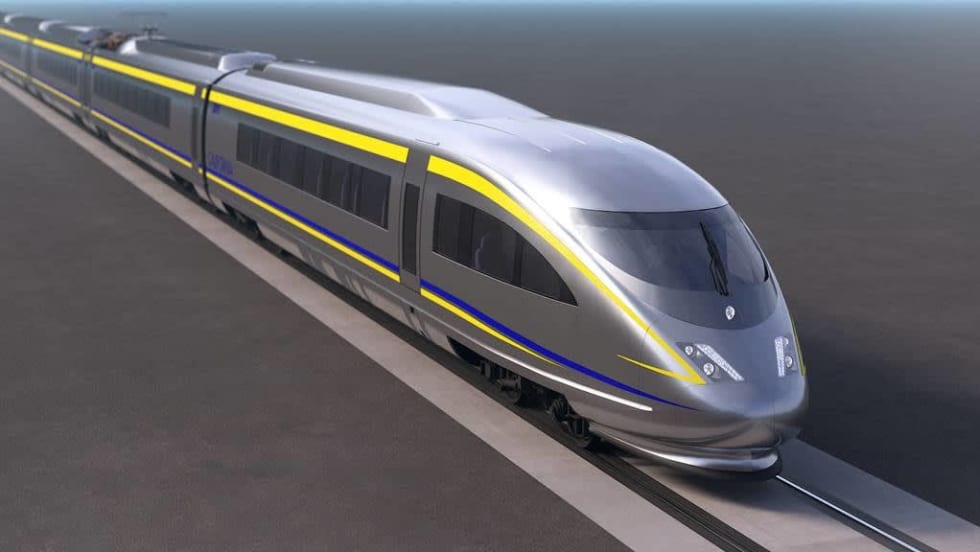
California Selects Team for Nation’s First True High-Speed Rail Track and Systems Contract
The board action follows completion of track installation at the 150-acre southern railhead in Kern County, which will serve as the staging and distribution hub for high-speed track and systems installation.
Read More →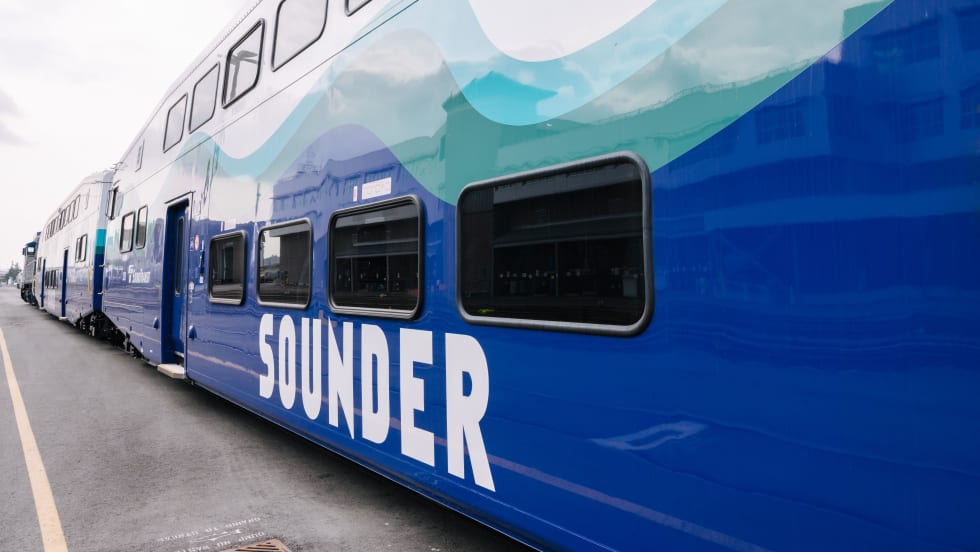
Seattle's Sound Transit Launches New Sounder Railcars into Service
Alstom manufactured all the cars under a $46.5 million contract and came into service in anticipation of summer crowds for soccer and baseball.
Read More →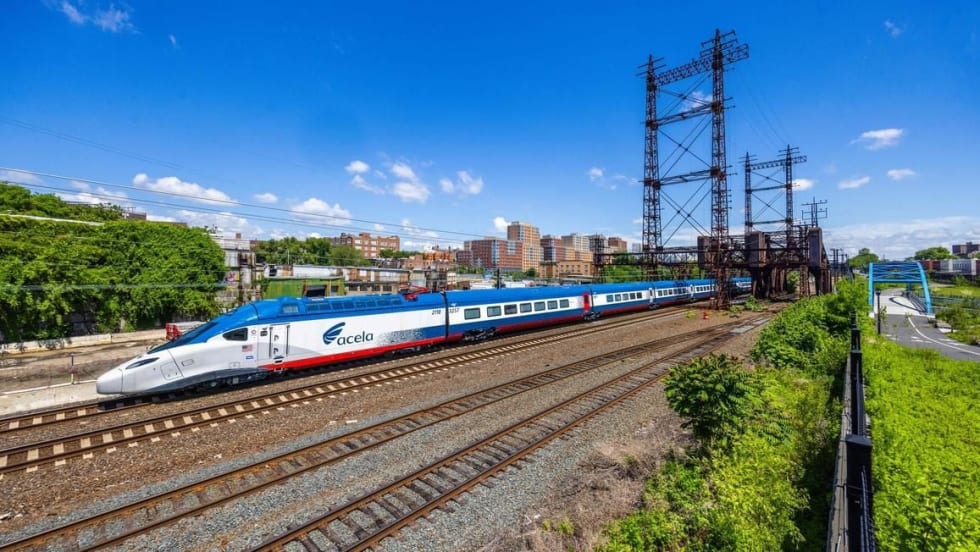
Alstom Partners With Universities to Build Rail Talent Pipeline
The partnerships include a new engineering scholarship fund at Alfred State College in Western New York and collaborations with transportation centers at the University of Pennsylvania and New York University.
Read More →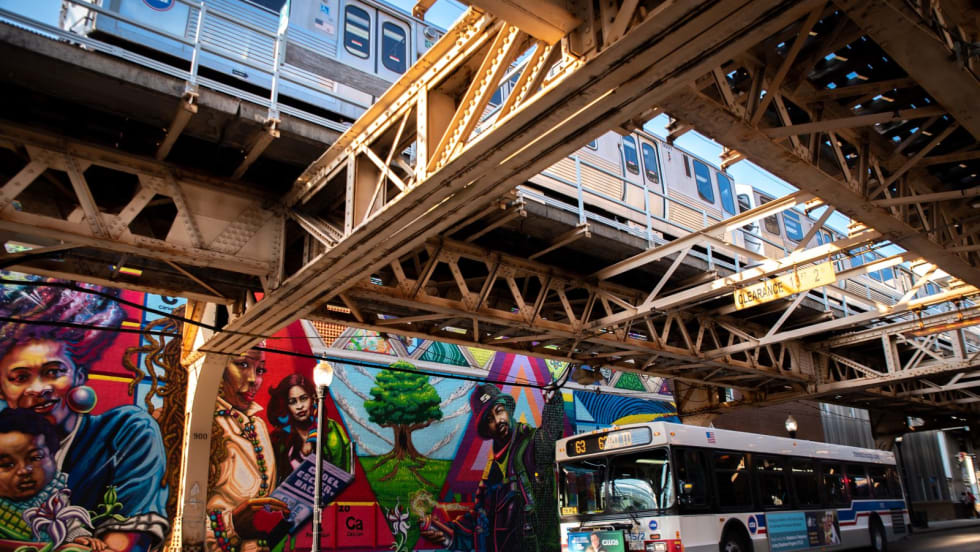
Chicago's NITA Act Moves Into Next Phase as Service Improvements Begin
Rider-focused improvements will begin rolling out across the system immediately as CTA, Metra, and Pace increase service this summer in the six-county region.
Read More →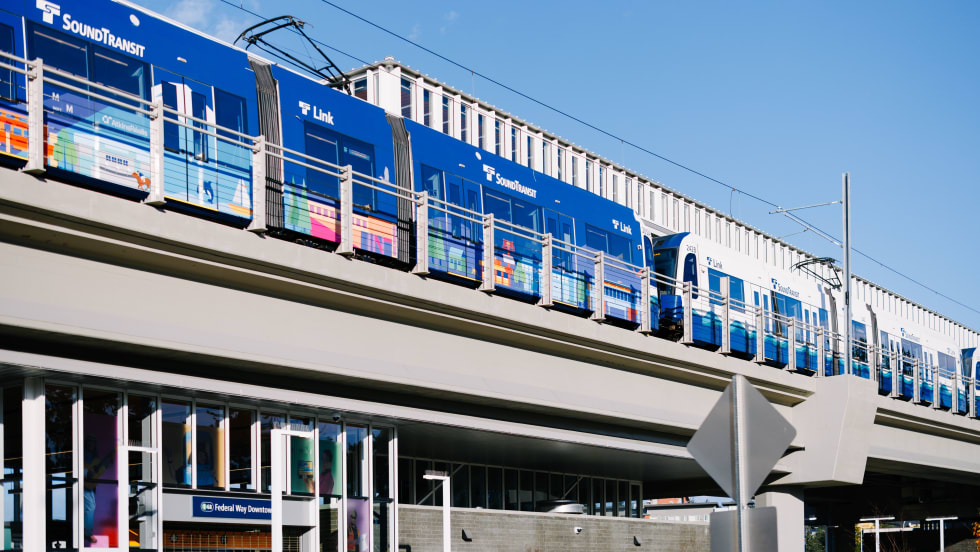
Seattle’s Sound Transit Adopts Updated ST3 System Plan
The updated system plan incorporates cost savings across the agency, including new revenue sources and financial policies, to set the agency on a sustainable path for the future.
Read More →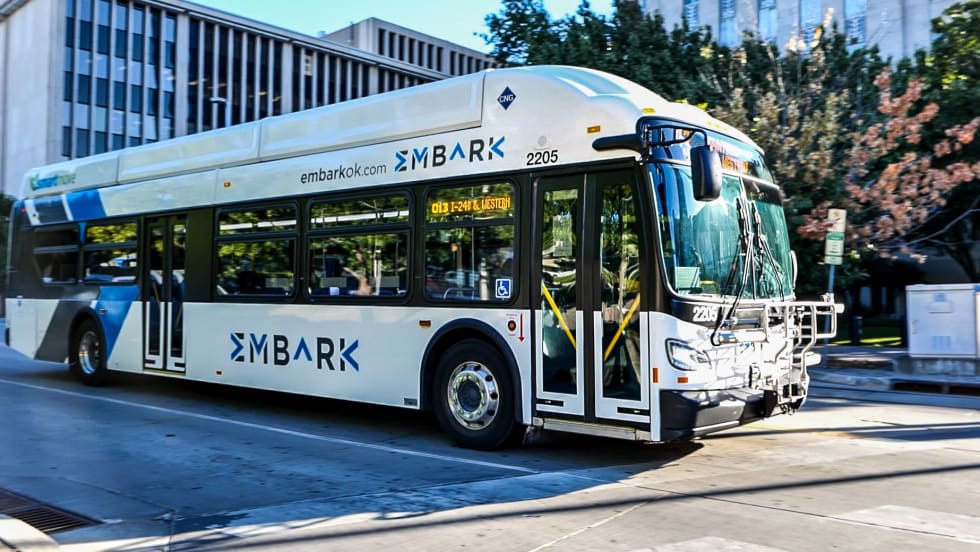
Inside Look: EMBARK Expands Fare-Free Transit Program Through New Public-Private Partnership
The OKC transit agency says sponsorship helps subsidize the Third Friday Free initiative while reducing barriers for first-time riders and boosting ridership across buses, streetcars, and river cruises.
Read More →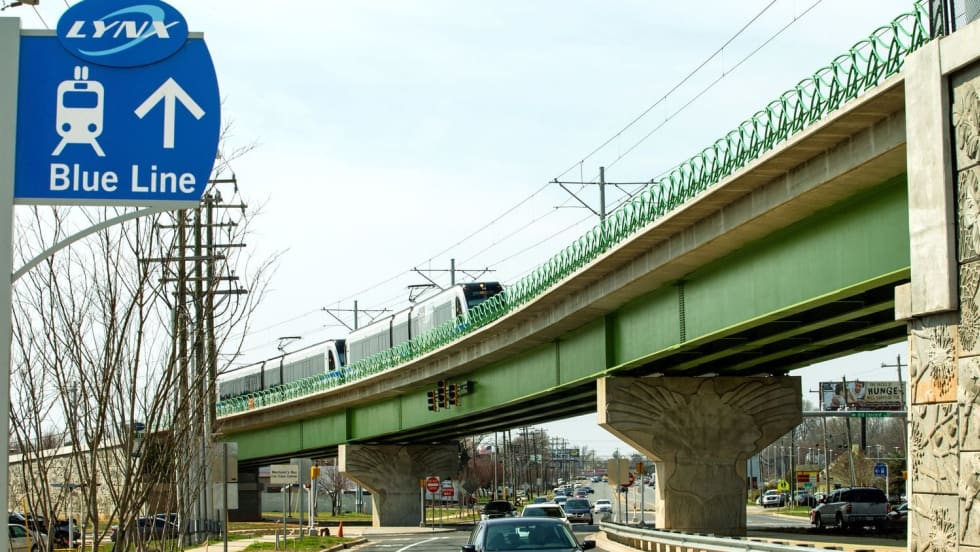
North Carolina's Metropolitan Transit Commission Concludes Decades of Leadership
To commemorate the occasion, current members of the MTC were presented with a custom painting of the Charlotte Transportation Center in Uptown.
Read More →
The Evolving Role of Program Management in Transit Delivery
Brian Buchanan, HDR’s transit program management lead, discusses how agencies can strengthen governance, anticipate risk and deliver large-scale projects more effectively.
Read More →
High-Speed Rail Proposal Aims to Transform U.S. Passenger Rail Investment
The legislation pairs rail expansion with housing, safety, and economic development goals designed to reshape how regions grow around transit.
Read More →