




RELATED: Report finds ride-hailing services impacting ridership
Rising costs, new tech among biggest challenges for public transit
Key findings from a report by CellPoint Mobile looks at what has challenged agencies and what they must do to embrace those challenges.
March 19, 2019
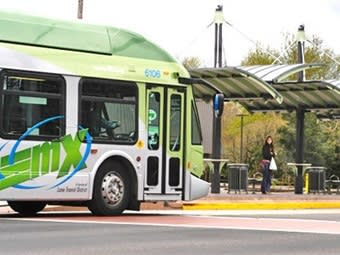
Survey findings indicate that implementing mobile technology is one of the biggest organizational challenges for U.S. mass transit operators despite the mobile channel's flexibility and interoperability with other systems.
LTD
3 min to read

CellPoint Mobile released a new report called “Challenges Facing Municipal, Regional, and National Transit Agencies in the United States.” Developed from a survey of 103 transit operators in the U.S., the report is the second is a series that examines key challenges facing the ground transportation and mass transit market and suggests how operators can improve service, reduce costs, lift customer satisfaction, and grow their bottom line.
The report finds that U.S. transit operators face a variety of challenges that make it nearly impossible to implement a unified digital or omnichannel strategies they need to meet their riders' expectations. The challenges include:
Outdated, cumbersome procurement processes.
Buyer "silos" that make adopting new technology difficult.
Difficulty providing streamlined, mobile-centric ticketing and payment processes for their riders.
Mismatched spending and investment priorities across organizational departments and roles.
Conditioned by ride-sharing services like Uber and Lyft, as well as their other daily ecommerce interactions, U.S. consumers expect a streamlined mobile experience, particularly for scheduling and payment options. A typical mass transit journey, with legacy ticketing and payment systems, is a stark contrast. Only 30% of U.S. mass transit providers currently collect fares through a mobile app, only 39% have an app at all, and only 37% can accept alternative payment methods (APMs) like Apple Pay or Google Pay.
Survey findings indicate that implementing mobile technology is one of the biggest organizational challenges for U.S. mass transit operators despite the mobile channel's flexibility and interoperability with other systems. According to respondents, this is due in part to legacy procurement processes and fragmentation among agency departments regarding budget priorities.
Other key findings that highlight the intersection of rider expectations and organizational challenges include:
Operating costs are a perennial problem: More than a quarter (26%) of U.S. mass transit operators say rising costs are their biggest challenge. This is highest, at 40%, among metro mass transit agencies.
Catering to a mobile-centric population: Nearly a quarter (23%) of national operators and 24% of large transit agencies (1,000-10,000 employees) say that implementing mobile technology is their single biggest challenge.
Need to attract riders: Customer acquisition is the second-most common challenge in U.S. transportation, cited by 23% national, 33% regional, and 17% of private operators.
Disconnect within the organization: Only 17% of transit operators responsible for payment/ticketing cite rising costs as their biggest organizational challenge, versus 31% of those in IT, and 29% in project management.
The procurement roadblock: About one-third of U.S. operators say that they are unable to change the procurement process (31%) and that the process is too slow and lengthy (30%).
How U.S. Transit Operators Can Reduce Cost While Increasing Rider Satisfaction
But where there are challenges, there are also potential solutions. The report goes on to provide key takeaways that can help municipal, regional, and national transit operators re-think revenue strategies, including:
Immediately prioritizing the development and optimization of mobile apps to meet the overwhelming demand and need for them among today's “connected” travelers and rise of mobility-as-a-service (MaaS).
Integrating the mobile channel into larger business objectives can not only help to reduce cost, but also acquire new riders and improve satisfaction among existing passengers.
Technology investments should start with immediate/everyday challenges that impact the passenger experience and keep costs high — examples include transit apps, mobile ticketing, and streamlined payments.
To view the full report, click here.
More Management

Modernizing Mobility with CharterUP CEO Armir Harris
From digital transformation to evolving customer demands, CharterUP's Armir Harris offers his perspective on the transportation industry's next chapter.
Read More →
CTTC Enhances Transit Workforce Pipeline Through New Partnerships and Leadership
The group's latest initiatives focus on developing talent, expanding training opportunities and addressing workforce needs across the transit sector.
Read More →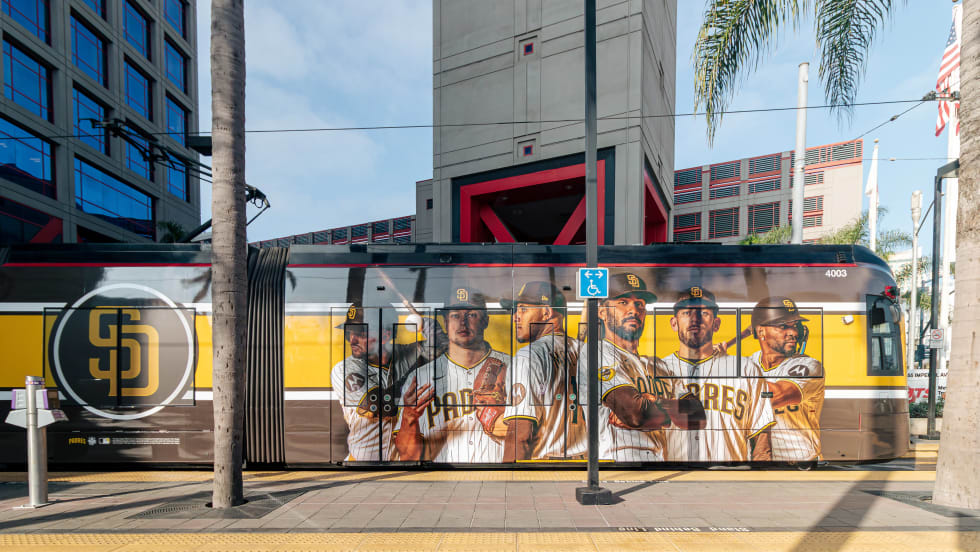
San Diego MTS Keeps Service Intact With New FY 2027 Budget
The approved spending plan avoids route cuts and lays the groundwork for addressing transit funding challenges through the end of the decade.
Read More →
Solving The Driver Shortage: What Transit Agencies Can Learn From the Trucking Industry
See how transit agencies facing persistent driver shortages can learn from the trucking industry’s evolving strategies for recruitment, retention, workplace conditions, and more.
Read More →
FIFA World Cup Matches Are Driving Record Transit Ridership Nationwide
See how World Cup matches are generating record transit demand across North America, with ridership surpassing Super Bowls, concerts, and Olympic-era events.
Read More →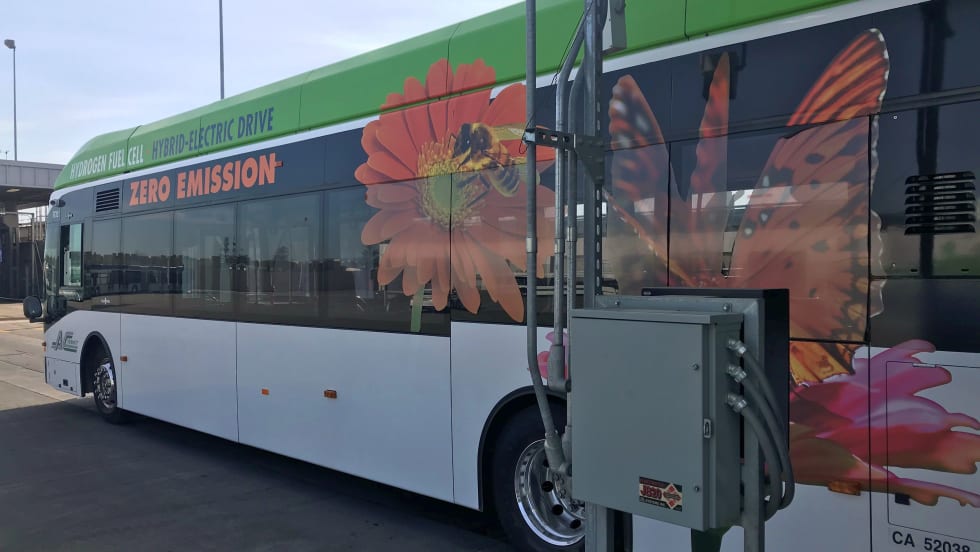
The Hidden Cost of Fuel Data Inaccuracy in Public Transit Fleets
In today's transit environment, accurate fuel and mileage data are critical to reducing costs, minimizing downtime, and improving fleet performance.
Read More →
Virginia's $28.5B Transportation Plan Targets Transit and Rail
Approved by the Commonwealth Transportation Board, the program supports ongoing infrastructure projects while providing new investments in transit, state of good repair and transportation alternatives.
Read More →
Latinos In Transit Seeks Host Organization for 2027 Leadership Summit
The selected host organization will showcase its transit system, projects, and community while welcoming hundreds of industry leaders and emerging professionals during Hispanic Heritage Month.
Read More →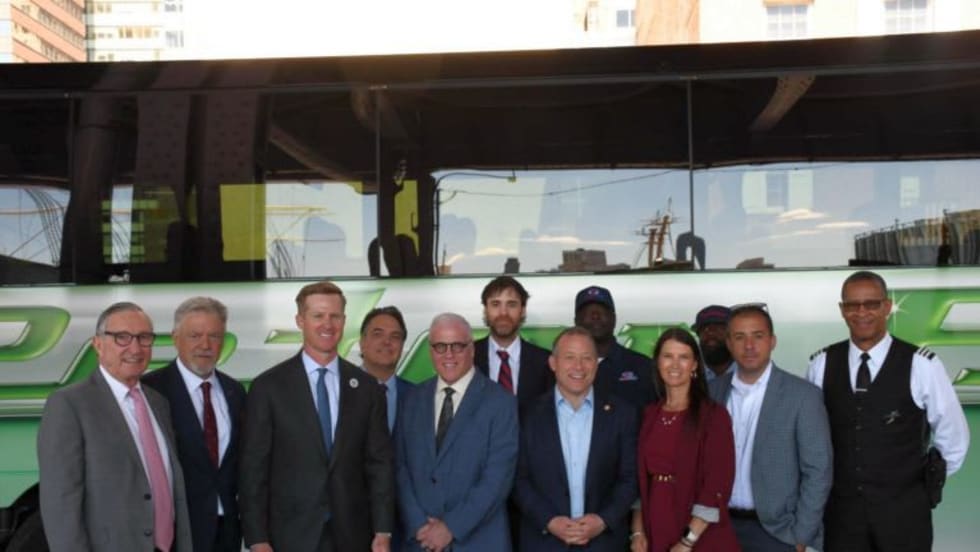
Bipartisan BUSES Act Seeks Changes to New York City's Bus Idling Enforcement Program
Backed by motorcoach operators, the legislation seeks to balance emissions goals with passenger safety by allowing limited idling for inspections, accessibility needs and extreme weather conditions.
Read More →
DOT: Brightline Corridor Incidents Fall 30% Following Federal Safety Upgrades
Safety improvements funded through a $25 million federal investment are credited with reducing trespassing and train-vehicle collisions along the Brightline Florida corridor.
Read More →