




RELATED: COTA to participate in dowtown employee transit program
COTA experiences largest ridership increase in 3 years
The 3% increase in ridership occurred despite 2018 being the wettest year on record for Columbus.
February 6, 2019
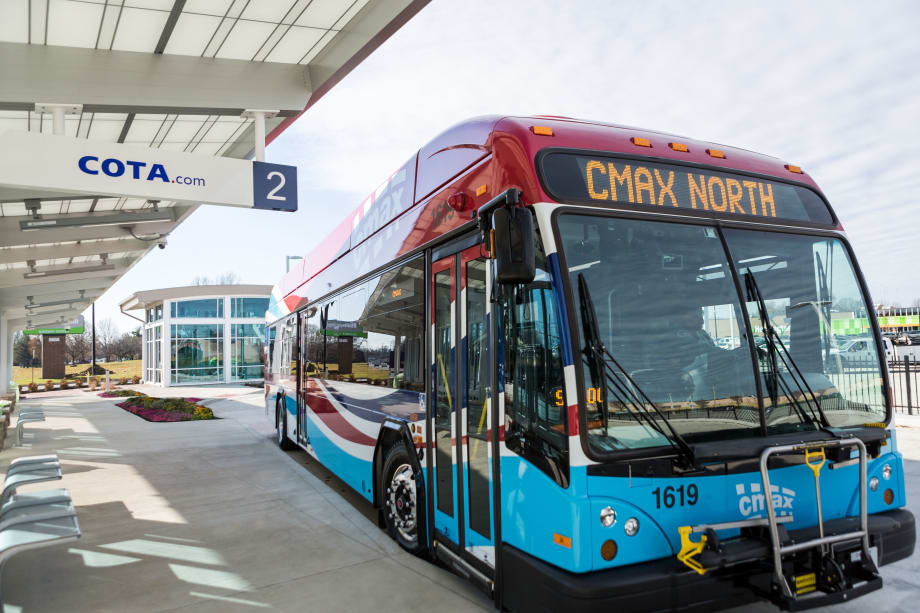
Ridership along the CMAX Cleveland Corridor increased by 17% in its inaugural year.
COTA
2 min to read

The Central Ohio Transit Authority (COTA) experienced a ridership increase of 3% in 2018 over 2017. It is the highest increase at COTA in three years.
COTA’s total ridership in 2018 was 18,914,789, compared to 18,401,546 in 2017. The increase in ridership occurred despite 2018 being the wettest year on record for Columbus, and is attributed to a full-year of service within the new transit system redesign, the implementation of the first bus rapid transit (BRT) line CMAX, and the success of C-pass, a new employer-paid transit program.
CMAX launched in January 2018. The BRT line travels along Columbus’ Cleveland Avenue Corridor, from downtown Columbus to Westerville. Ridership along the Cleveland Corridor increased by 17% in its inaugural year.
COTA also launched C-pass in June 2018. As part of a partnership with the Mid-Ohio Regional Planning Commission and the Capital Crossroads Special Improvement District, eligible downtown Columbus employees can get unlimited bus access at no cost to employees. The cost is covered by employers and MORPC. To date, 13,741 employees are enrolled and 52% of downtown businesses participate in the C-pass program, delivering more than 524,700 rides in just six months.
COTA AirConnect, which provides express service from John Glenn Columbus International Airport to downtown Columbus, saw a 24% increase in 2018, adding nearly 6,900 more customers than the year prior.
CBUS also saw a 4% increase in ridership in 2018. CBUS provides free service in the heart of Columbus, with stops in German Village, Downtown, the Arena District, and the Short North.
More Management
ABA's Ferguson Testifies in Support of BUS Act, National Standards for Bus Operators
The BUSES Act would create a nationwide framework preventing state and local governments from enforcing bus idling restrictions of less than 15 minutes, a threshold consistent with existing Environmental Protection Agency guidance.
Read More →
When Routine Fails: How Public Transit Must Adapt for the World Cup
The 2026 FIFA World Cup will test transit agencies’ ability to manage unpredictable travel patterns, making real-time data and operational flexibility critical to moving millions of visitors efficiently.
Read More →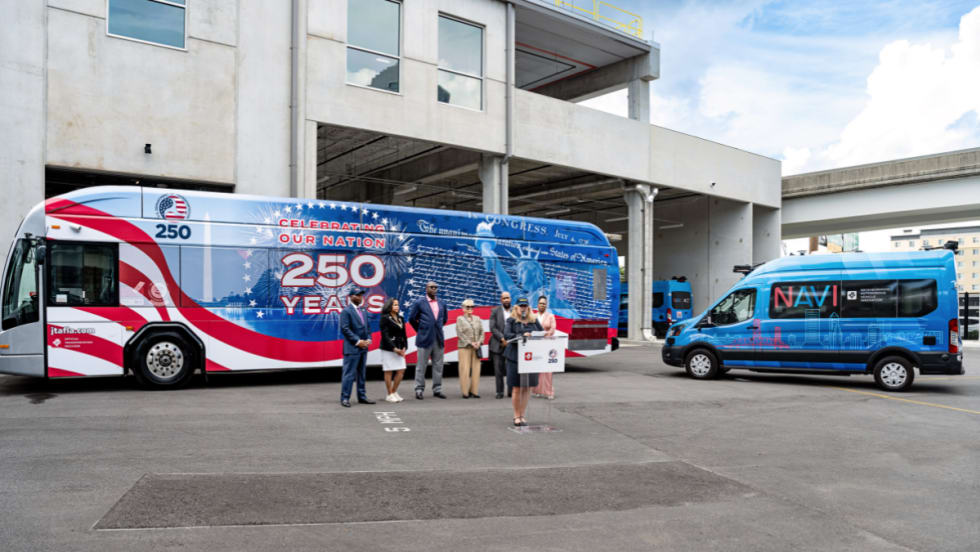
Florida’s JTA Puts Innovation in Motion Ahead of America250
The agency unveiled a commemorative America250 bus during a visit from U.S. DOT's Seval Oz and showcased its autonomous mobility programs.
Read More →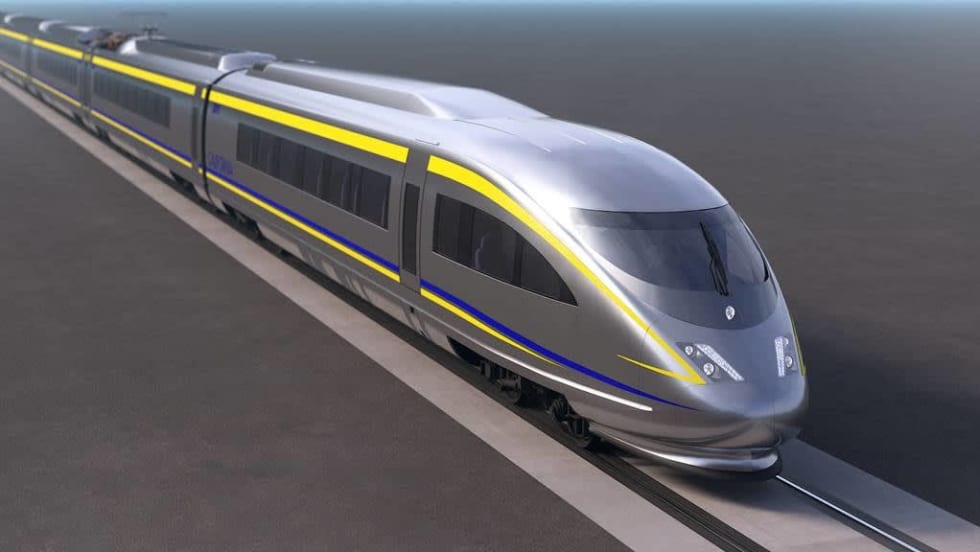
California Selects Team for Nation’s First True High-Speed Rail Track and Systems Contract
The board action follows completion of track installation at the 150-acre southern railhead in Kern County, which will serve as the staging and distribution hub for high-speed track and systems installation.
Read More →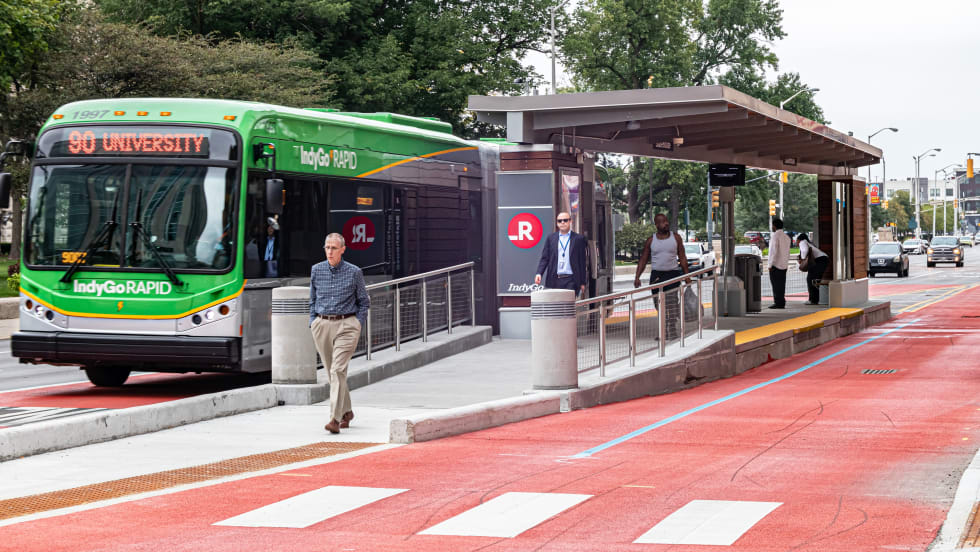
IndyGo, Cleveland RTA Expand Digital Fare Payment Options with Masabi
The new systems combine mobile apps, smart cards, and automatic fare capping to simplify payments, expand flexibility, and help riders access the lowest available fares.
Read More →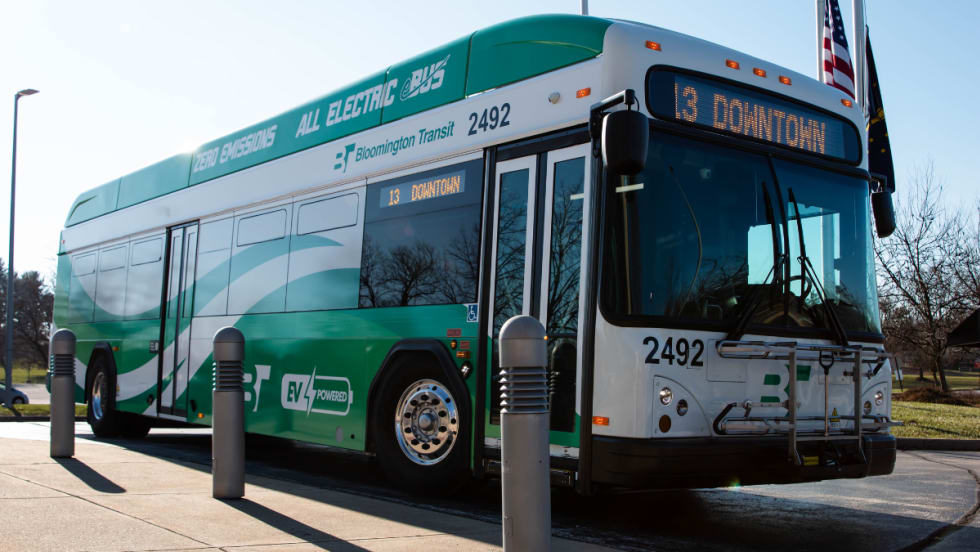
Can Better Branding Grow Ridership? Bloomington Transit Bets on a Unified Mobility Experience
See how the Indiana agency aims to simplify transit access through unified trip planning, expanded microtransit, and new payment options.
Read More →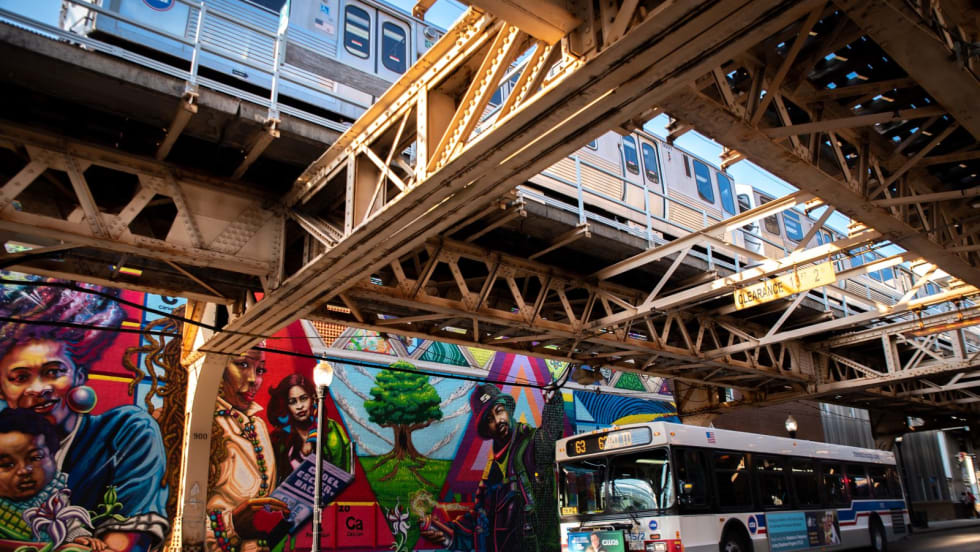
Chicago's NITA Act Moves Into Next Phase as Service Improvements Begin
Rider-focused improvements will begin rolling out across the system immediately as CTA, Metra, and Pace increase service this summer in the six-county region.
Read More →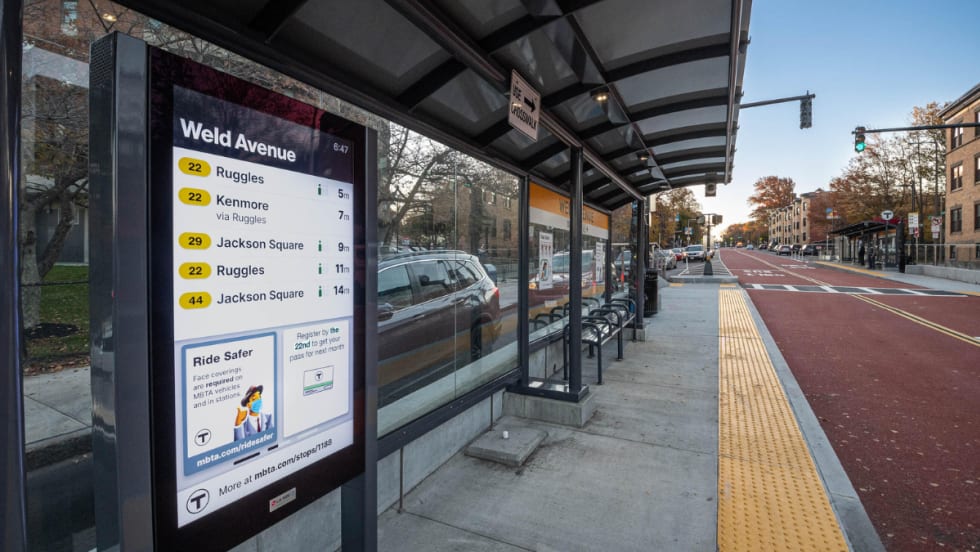
MBTA Board Approves $10.3 Billion Capital Plan Through 2031
The five-year plan funds more than 660 projects aimed at improving reliability, modernizing infrastructure, and enhancing the rider experience across the MBTA system.
Read More →
Philadelphia's SEPTA Approves Annual Transit Service Plan
Between 2021 and 2024, SEPTA held more than 200 public meetings — including 144 in-person sessions — throughout the SEPTA service region.
Read More →
Pittsburgh Approves FY2027 Budget, Warns of Long-Term Funding Challenges
The FY2027 operating budget totals $595.7 million and does not include fare increases or service reductions. To balance the budget, PRT is using $44.8 million in capital funding and $15.4 million in operating reserves.
Read More →