



Siemens awarded TriMet light rail vehicle contract
Per a $73 million contract, the 18 vehicles will be manufactured from start to finish at Siemens' rail vehicle manufacturing plant in Sacramento, Calif., a facility powered almost entirely by two megawatts of solar energy. The first new rail cars are expected to be delivered in August 2014.

Siemens has been awarded a $73 million contract to build 18 of its S70 light rail vehicles for TriMet in Portland, Ore. The vehicles will be manufactured from start to finish at Siemens' rail vehicle manufacturing plant in Sacramento, Calif., a facility powered almost entirely by two megawatts of solar energy. The first new rail cars are expected to be delivered in August 2014.
These 18 vehicles were ordered as a part of the Portland-Milwaukie Light Rail Transit Project. This extension includes a light rail alignment that travels 7.3 miles, connecting Portland State University in downtown Portland, inner Southeast Portland, Milwaukie and North Clackamas County. When it opens in September 2015, it will bring the light rail system to a total of 60 miles and 97 stations.
The extension includes 10 stations and the Portland-Milwaukie Light Rail Bridge spanning the Willamette River between the Oregon Health & Science University's South Waterfront Campus to the Oregon Museum of Science and Industry. This contract award will bring the total number of S70 light rail cars manufactured for TriMet by Siemens to 40. Siemens Rail Systems has a strong relationship with TriMet, having previously provided more than 100 low floor vehicles, including TriMet's newest fleet of 22 S70 light rail vehicles delivered in 2009.
The light rail project is a central element to the region's development, with about 22,000 households and 85,000 employees within walking distance of the stations. It's expected that 25,000 trips will be taken on the new line each weekday by the year 2030.
"This fifth generation of MAX light rail vehicles will include many improvements for riders and operators," said Dan Blocher, TriMet executive director of Capital Projects.
Compared with the Type 4 model, the Type 5 light rail vehicles for this project are more durable and have energy efficient LED interior lighting; improved HVAC for passenger comfort; more ergonomic cabs for operators; upgraded digital camera technology; improved ADA ramps for better accessibility, improved vehicle seating layout, more advanced vehicle diagnostics and easier maintenance.
The S70 Type 5 has a maximum operational speed of 55 miles per hour. Its low floor design enables passengers to board the train at street level, providing quicker and easier access for people of all abilities.
More Rail
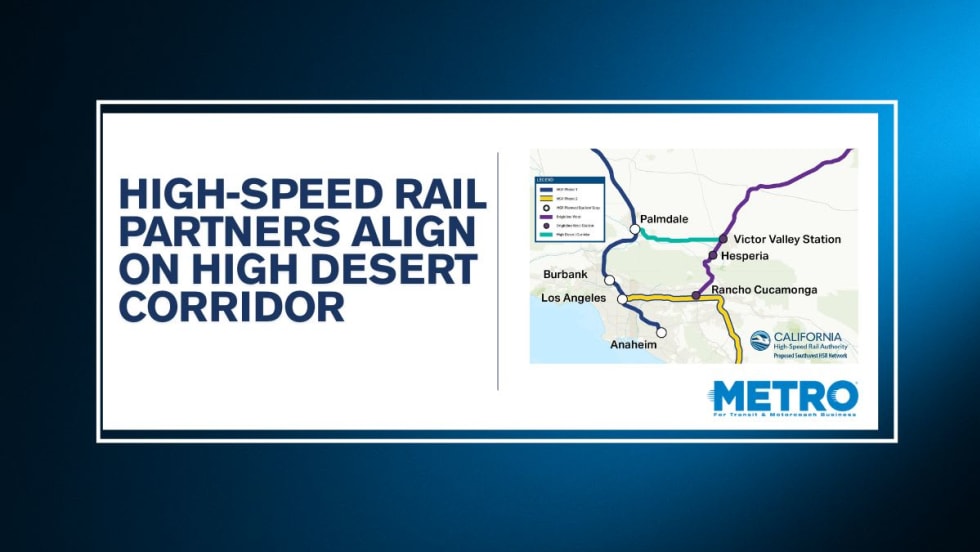
California High-Speed Rail Authority Signs MOU to Advance High Desert Corridor
The agreement deepens collaboration between the California High-Speed Rail Authority and the High Desert Corridor Joint Powers Agency, supporting design integration, cost savings, and faster delivery of a key Southern California rail link.
Read More →
Building the Next Generation of Transit Technology
In this edition of METROspectives, Luminator CEO Magnus Friberg discusses the company's transformation, the growing role of AI and software, and what's next for transit technology.
Read More →
How Data, Strategy, and Community Engagement Are Reshaping Transit
In this edition of METROspectives, strada360 CEO Steve Lassey discusses how transit agencies can better align planning with operations, leverage data to improve decision-making, and build public trust as they prepare for the future of mobility.
Read More →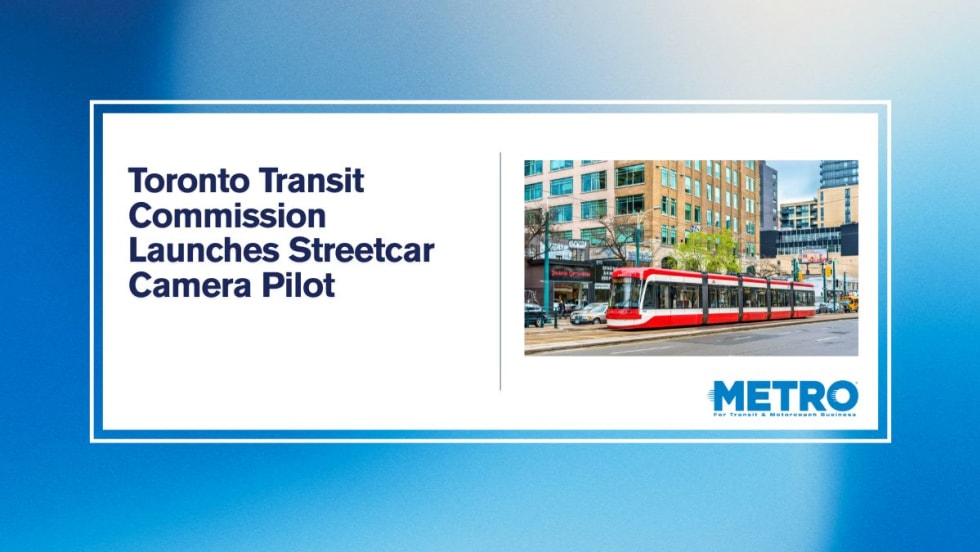
TTC Launches Camera Pilot to Curb Illegal Passing of Streetcars
During the pilot, the cameras will measure how often illegal streetcar passing occurs and test the technology's reliability for future automated enforcement.
Read More →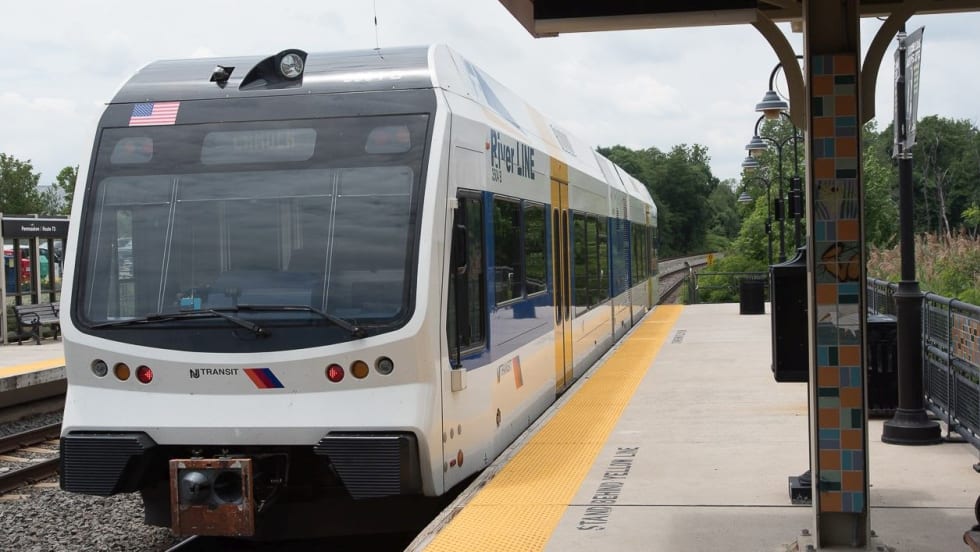
NJ TRANSIT Secures Capital Funding, Adopts FY2027 Budget
The budgets continue investments in infrastructure and equipment to maintain the system in a state of good repair and enhance the overall customer experience.
Read More →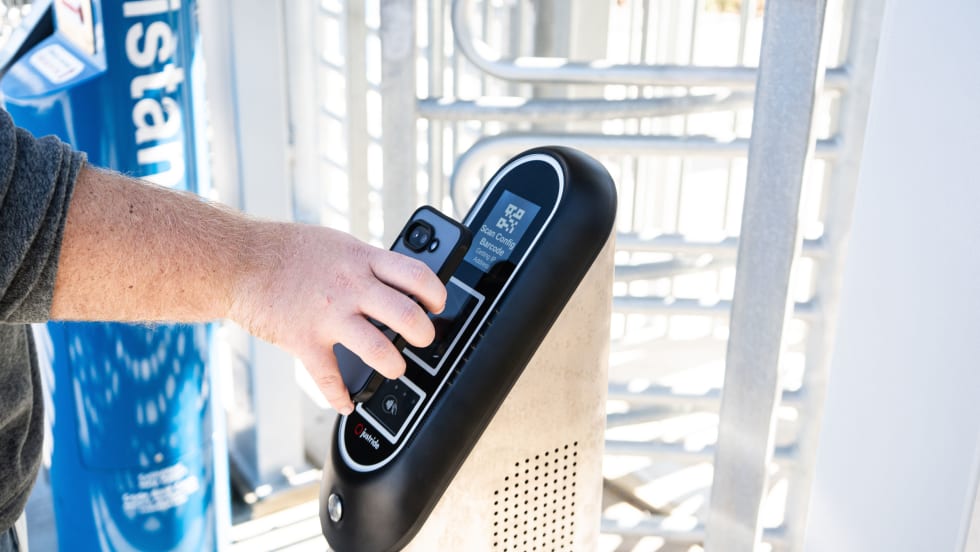
Biz Briefs: Masabi Teams with St. Louis Metro and More
In METRO's latest installment, we take a look at recent news from Transdev, Hitachi, and more partnerships making headlines across the transportation sector.
Read More →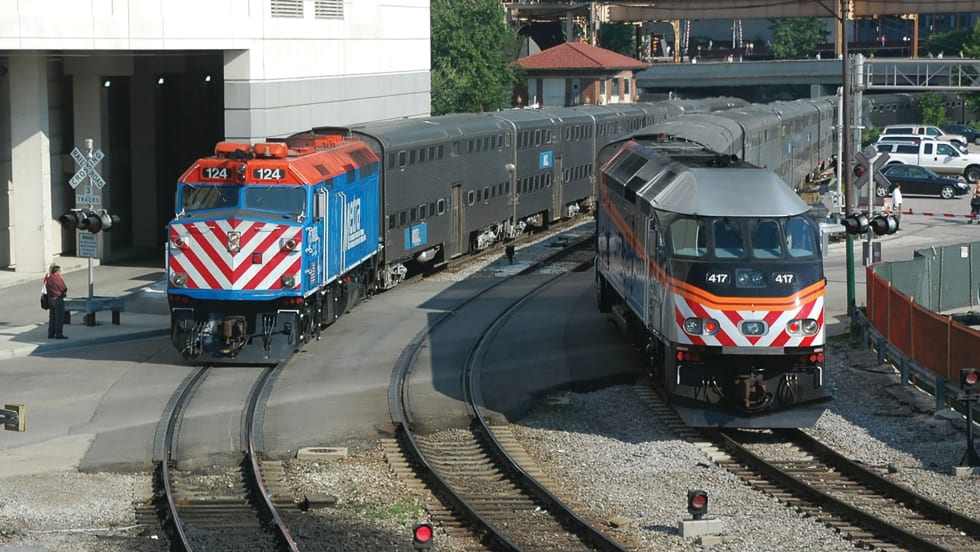
Metra Begins Drone Pilot Project to Boost Safety and Security
The project is funded through a $620,000 grant from FEMA’s Transit Security Grant Program, which provides transit agencies with funding for projects intended to protect critical transportation infrastructure and the traveling public.
Read More →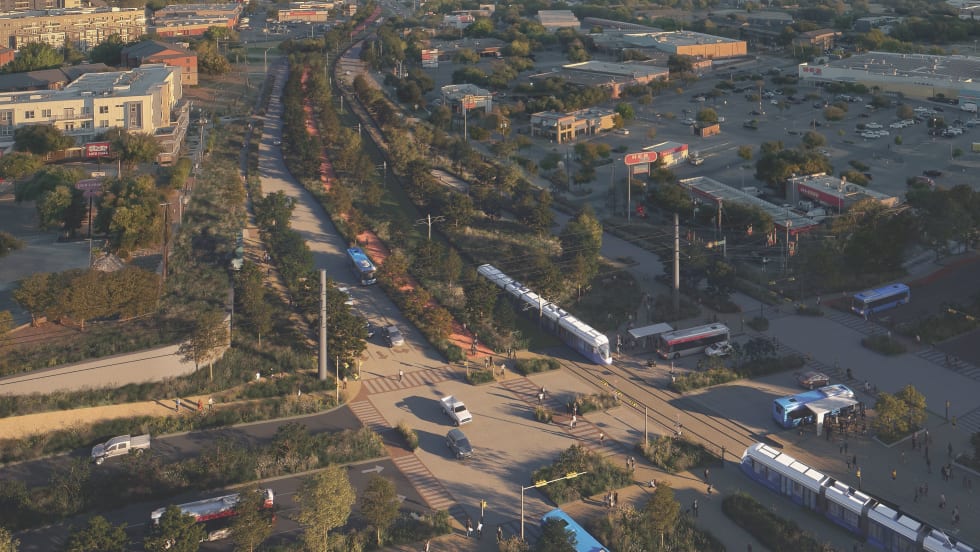
Austin Transit Partnership Selects Stadler to Manufacture Light Rail Vehicles
The award marks the conclusion of a series of major procurements over 18 months, as outlined in ATP’s delivery plan, and keeps Austin Light Rail on track.
Read More →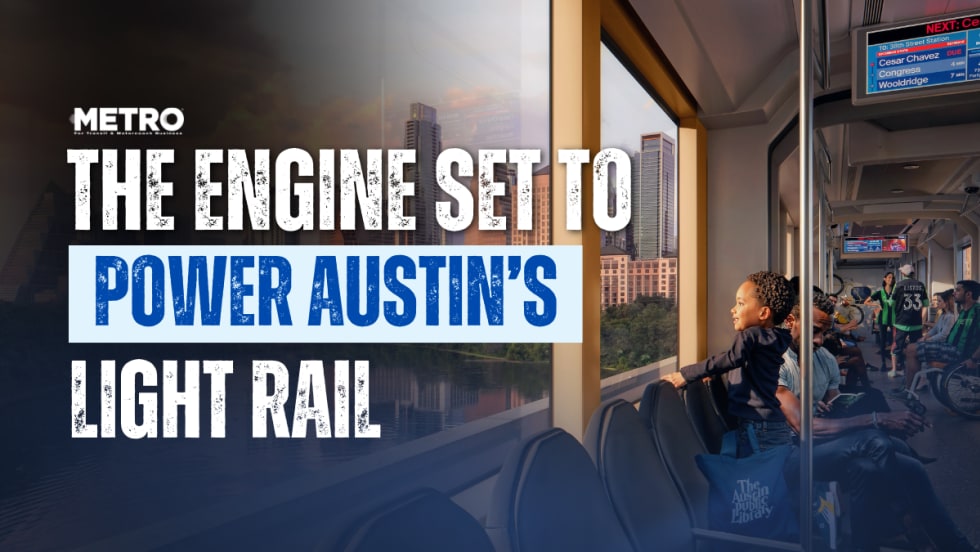
The Heart Behind Austin's Light Rail
Why Austin Transit Partnership's Operations and Maintenance Facility could become the most important building in the city's first light rail system.
Read More →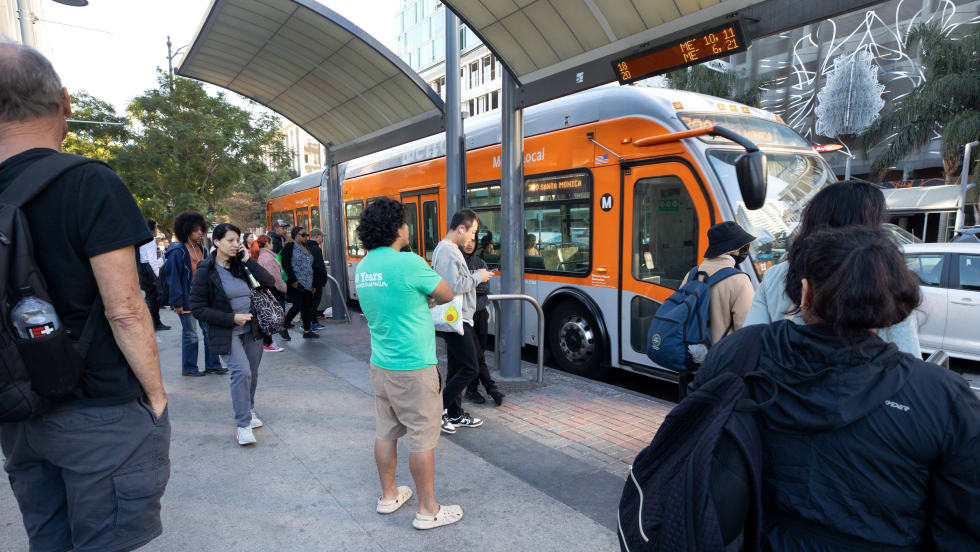
June LA Metro Ridership Surges 2 Million Year Over Year
Total June ridership increased for both weekdays and weekends. Weekday ridership was 953,820, which grew 8.4% from June 2025; Saturdays increased nearly 13% year-over-year to 708,826; and Sundays increased 7.7% to 611,534 from June 2025, according to LA Metro.
Read More →