



Real-time Info to Help Riders with OC Bus Capacity
With the Transit app, those waiting for a bus can get information showing that a particular bus has “many seats," “some seats,” or “very limited seats.”
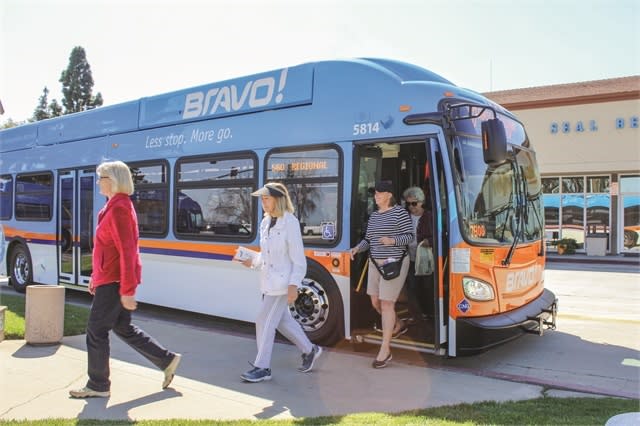
With the Transit app, those waiting for a bus can get information showing that a particular bus has “many seats" (less than one-third full), “some seats” (less than two-thirds full), or “very limited seats.”
OCTA
The Orange County Transportation Authority (OCTA) launched an innovative real-time occupancy data feature in partnership with the Transit app so riders can determine from their mobile device whether their bus has enough available seats for them to ride. OCTA is one of 38 agencies worldwide offering bus capacity information via the Transit app.
OC Bus riders can download the free Transit app to help plan their bus trip, to see where their bus is currently running on the route, and — for the first time — receive information on how full the bus is.
During the coronavirus (COVID-19) pandemic, OCTA is limiting the number of passengers on buses to allow for physical distancing of at least six feet, when possible. The guideline is for a regular 40-foot bus to carry no more than 15 passengers, and a 60-foot bus up to 20 passengers.
With the Transit app, those waiting for a bus can get information showing that a particular bus has “many seats" (less than one-third full), “some seats” (less than two-thirds full), or “very limited seats” (more than two-thirds full), as the bus approaches their location.
OCTA’s automated passenger counting (APC) system, for years the tool to track ridership numbers throughout the bus system, is being used to communicate current capacity information through the Transit app.
The addition of real-time capacity data is the latest safety measure OCTA is taking during the ongoing public health crisis. Other measures have included, enhanced bus cleanings, temporary rear-door boardings, onboard hand sanitizers, requiring passengers to wear face coverings, and a pilot program that has helped distribute thousands of free face coverings to riders who need them.
More Technology
Building a Flexible Path to Transit Electrification with BAE's John Hroncich
John Hroncich discusses BAE Systems’ modular and scalable approach, lessons learned from decades of real-world operations, and how agencies can identify electrification strategies that fit their fleets.
Read More →
Scenes from APTA TRANSform & EXPO 2026
Transit leaders, manufacturers, and industry professionals gathered in Chicago to explore new technologies, share ideas, and discuss the future of public transportation.
Read More →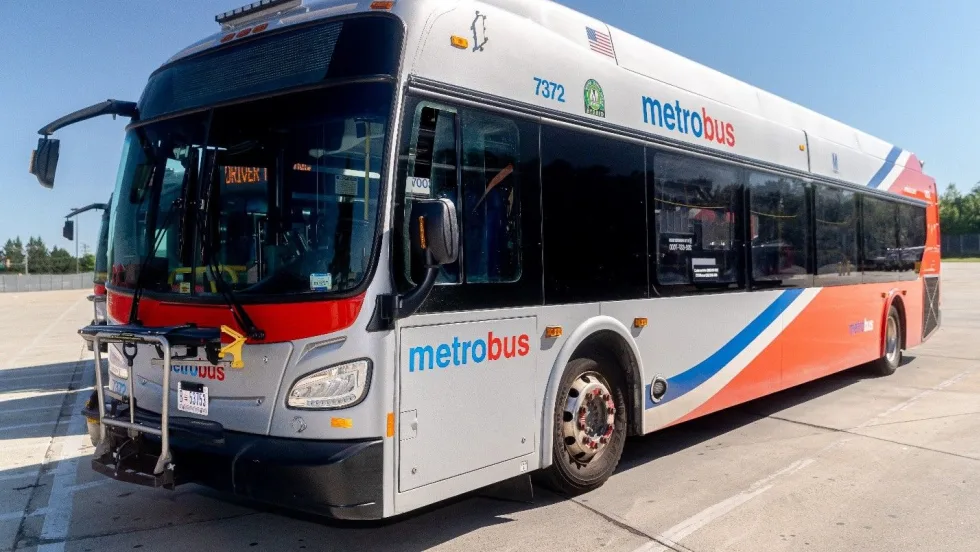
Biz Briefs: New Flyer Secures Additional 100-Bus Order from WMATA and More
In METRO's latest installment, we also take a look at recent news from Masabi, MCI, Samsara, and more partnerships making headlines across the transportation sector.
Read More →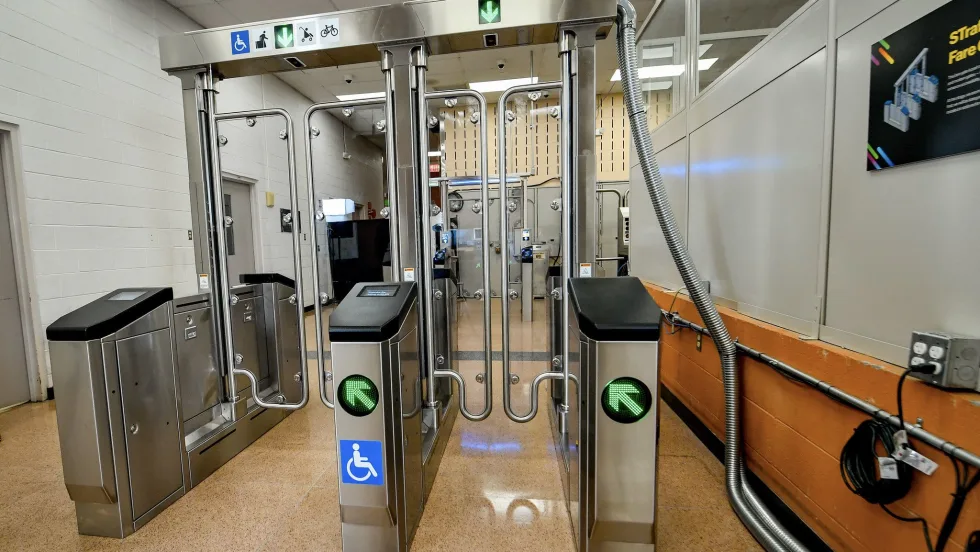
MTA Fare Gate Pilot Reduces Fare Evasion by 35%
Following a 20-station pilot, the agency plans to install new fare gates at 20 additional subway stations as part of a $1.1 billion modernization initiative.
Read More →
California Law Extends AC Transit’s Bus Lane Camera Enforcement
The new law allows AC Transit to continue using forward-facing bus cameras to enforce parking violations in bus-only lanes and at bus stops.
Read More →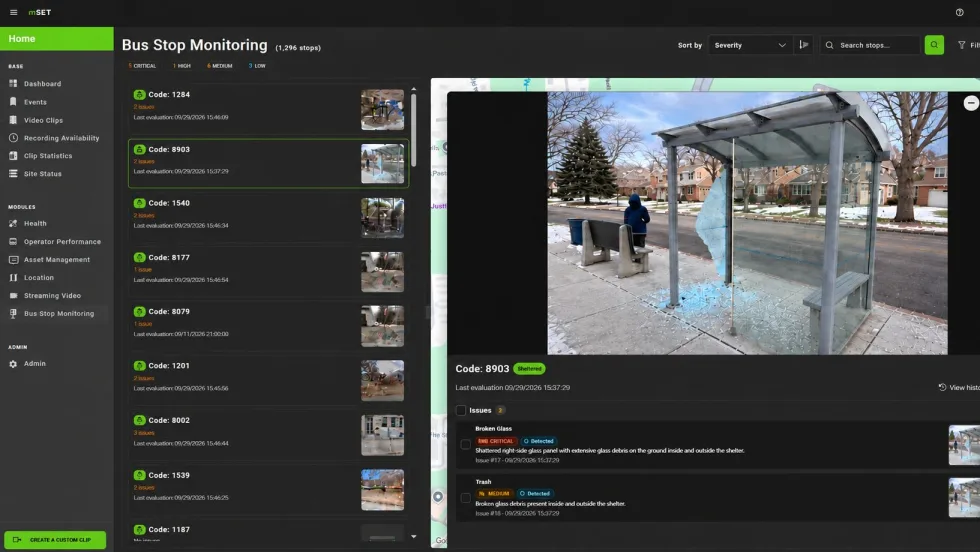
Biz Briefs: Luminator Launches AI Technology to Monitor Bus Stop Conditions and More
In METRO's latest installment, we also take a look at recent news from Masabi, Troman Industries, ioki, CCW, and more partnerships making headlines across the transportation sector.
Read More →
Public Transit Conference Returning to GFX in 2027, Call for Papers Now Open
The Call for Papers is now open, allowing transit agency professionals and industry experts to help shape the PTC educational program by submitting session ideas for consideration.
Read More →
ENC Lands MATA Contract and More in Biz Briefs
In this edition of Biz Briefs, we spotlight the latest developments shaping the future of mobility.
Read More →
Strada360’s Steve Lassey on Turning Transit Data Into Better Decisions
From breaking down data silos to preparing for AI, Strada360 CEO Steve Lassey discusses how transit agencies can use technology to improve operations, customer information, and long-term decision-making.
Read More →
Almaviva Looks to Open Architecture to Advance Transit Technology
Eric Reese discusses how interoperability, open architecture, and modular design can help transit agencies control costs, reduce vendor lock-in, and upgrade technology without starting over.
Read More →