



45 Transit Agencies Tap GILLIG for BEBs
The awards were made possible through the FTA's annual Buses and Bus Facilities and Low- and No-Emission Vehicle programs.

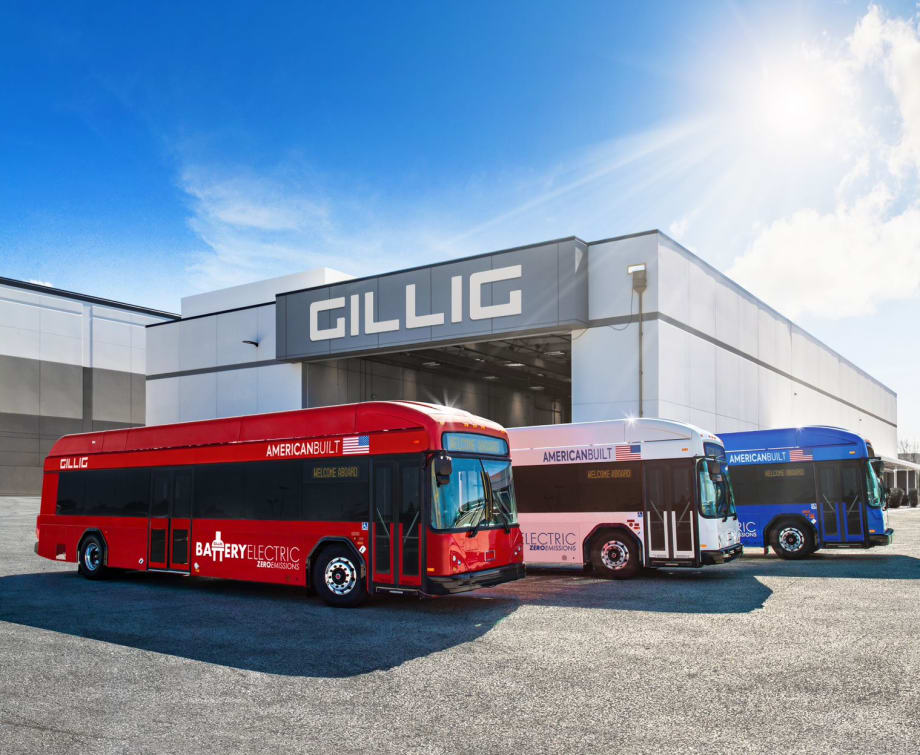
GILLIG's portfolio of clean-tech buses provides transit agencies with a range of solutions that align with the purposes of FTA's Low-No Emissions program.
GILLIG
GILLIG LLC announced 45 transit agencies have chosen to partner to utilize their federal awards to invest in the company's clean-energy buses for their fleets.
The awards were made possible through Federal Transit Administration’s (FTA) annual Buses and Bus Facilities and Low- and No-Emission (Low-No) Vehicle programs. These dovetailed programs were developed in 2016 to support upgrading and expanding public mass transit fleets, improving bus facilities, and for the Low-No program specifically, funding the transition from older higher-emissions vehicles to more efficient, less polluting fleets.
With $1.66 billion available, FTA's competitive grant process selected 150 projects across 48 states and territories. Out of the 115 projects that include the acquisition of new vehicles, 1,100 new zero-emissions vehicles will join America's transit systems, nearly doubling the current no-emission transit buses in-service. This historic level of funding was made possible by the 2021 Bipartisan Infrastructure Investment and Jobs Act, as well as through other Federal investments aimed at increasing access to public transit and decreasing overall carbon emissions.
GILLIG's portfolio of clean-tech buses provides transit agencies with a range of solutions that align with the purposes of FTA's Low-No Emissions program. With GILLIG's proven platform supporting CNG, Hybrid-Electric, Clean Diesel, and Battery Electric options, customers can utilize their funding as it best serves their unique transit system's needs.
"We are honored to be the trusted partner for each of these awarded agencies, and we look forward to celebrating the impact these new buses will have in their communities," said Bill Fay, GILLIG's VP, sales. "GILLIG buses have long set the standard of quality and reliability for American public transit. This historic funding will allow GILLIG and our partners throughout America to shape a greener, cleaner future of our nation's public transit systems."
Fitting the trends of transit agencies shifting to cleaner, lower-emission technology, nearly half of GILLIG's partnerships are utilizing Low-No funding to purchase the company’s zero-emissions Battery Electric Bus. This third-generation iteration of their Battery Electric Bus, dubbed the Gen3, is built on the same proven platform durability as previous generations but now has a battery capacity of up to 686 kWh, as well as increased compatibility with depot and opportunity modular charging solutions, including plug-in, overhead conductive, and wireless inductive charging options.
The Gen 3 Battery Electric bus is built on the Low-Floor platform shared across all GILLIG's bus products, ensuring a high degree of operator and mechanic familiarity and part commonality. But with the all-new battery capacity, this next generation offers a 32% increase from previous models, ensuring customers do not have “range anxiety” as they work to reduce their fleet's emissions.
The advancement in capacity and range is a result of GILLIG's new partnership with the modular lithium-ion battery manufacturer AKASOL. AKASOL's ultra-high energy batteries have industry-leading proprietary safety features and offer various scalable capacity configurations.
Alongside the new batteries reducing concerns about range, GILLIG offers customers further support by creating customized charging solutions to be fulfilled with their new Battery Electric Buses.
More Zero Emissions

Building a Flexible Path to Transit Electrification with BAE's John Hroncich
John Hroncich discusses BAE Systems’ modular and scalable approach, lessons learned from decades of real-world operations, and how agencies can identify electrification strategies that fit their fleets.
Read More →
LA Metro Board Awards 220 Battery-Electric Bus Contract to ENC
The contract, which is the largest base award of battery-electric buses by a U.S. transit agency, will be built in Southern California, sustaining good jobs as LA prepares to welcome the world in 2028
Read More →
Public Transit Conference Returning to GFX in 2027, Call for Papers Now Open
The Call for Papers is now open, allowing transit agency professionals and industry experts to help shape the PTC educational program by submitting session ideas for consideration.
Read More →
Report: Transit Bus Manufacturing Supports 34,100 Jobs, $5.1B in GDP
The “Buses Mean Business” report examines the transit bus manufacturing industry’s economic footprint, supply chain, and rising demand for vehicle replacements.
Read More →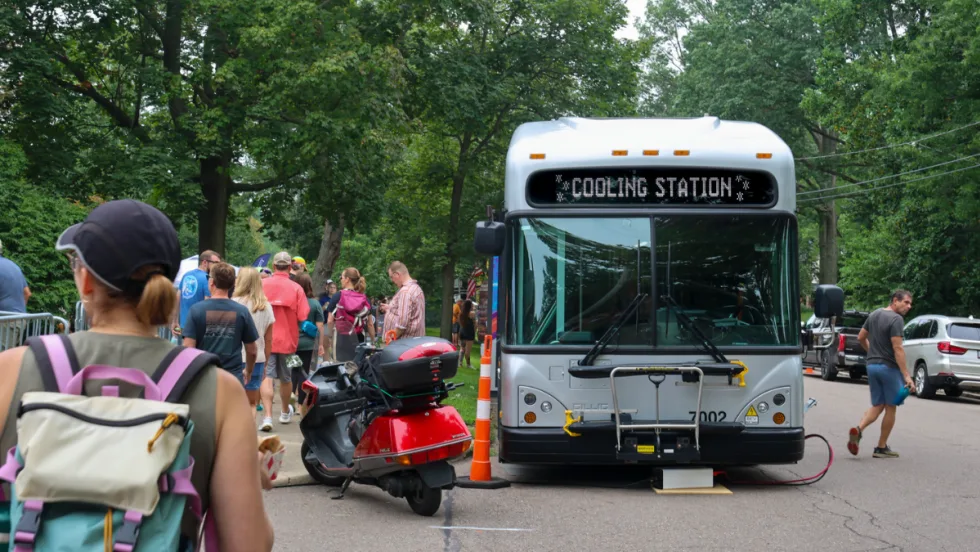
Ohio’s METRO RTA Turns Electric Buses into Mobile Power Sources at PorchROKR
See how three Gillig battery-electric buses powered festival stages while the agency’s new Park & Ride service carried approximately 1,000 attendees, demonstrating another potential use for transit agencies’ electric fleets.
Read More →
CALSTART and Forth Combine to Form Catalyst Mobility
The new name represents a renewed vision for the nonprofit focused on advancing clean, equitable, and affordable transportation solutions that move people and goods.
Read More →
Building a Flexible Path to Transit Electrification
John Hroncich discusses BAE Systems’ modular and scalable approach, lessons learned from decades of real-world operations, and how agencies can identify electrification strategies that fit their fleets.
Read More →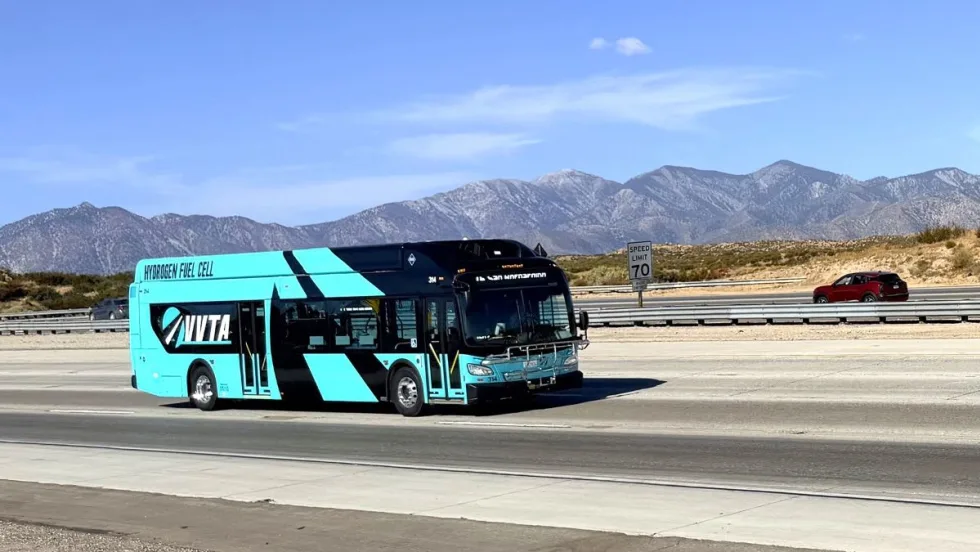
California's VVTA Begins Phased Rollout of Hydrogen Fuel Cell Buses
The agency is introducing 13 zero-emission buses into revenue service while evaluating performance across its urban, rural, and long-distance routes.
Read More →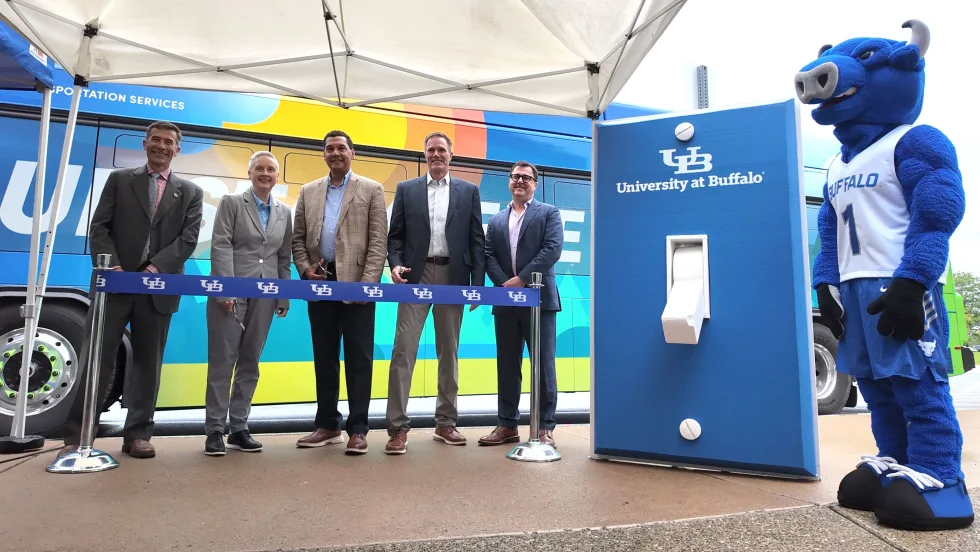
Inside Look: University at Buffalo Puts First 8 Electric Buses Into Stampede Service
UB, transportation solutions provider WeDriveU, and fleet electrification specialist Zenobē marked the deployment in the presence of students, university administrators, and local officials.
Read More →
Biz Briefs: OCTA Taps Clean Energy for Hydrogen Station, Stadler to Supply Via Rail Vehicles, and More
From manufacturers and suppliers to transit agencies and motorcoach operators, these updates offer a snapshot of the projects, partnerships and business moves driving the industry forward.
Read More →