



Looking Ahead: Transit Consultants Talk 2022, What's In Store for 2023
4 Factors That Will Shape the Transit Industry in 2023
HDR’s top transit experts across North America recently discussed the outlook for the coming year, the trends they see, opportunities, and challenges.
by Elena Barnett, Eric DiVirgilio, Mark Fuhrmann, Laura Grams, Mark McLaren, and Luke Olson
January 26, 2023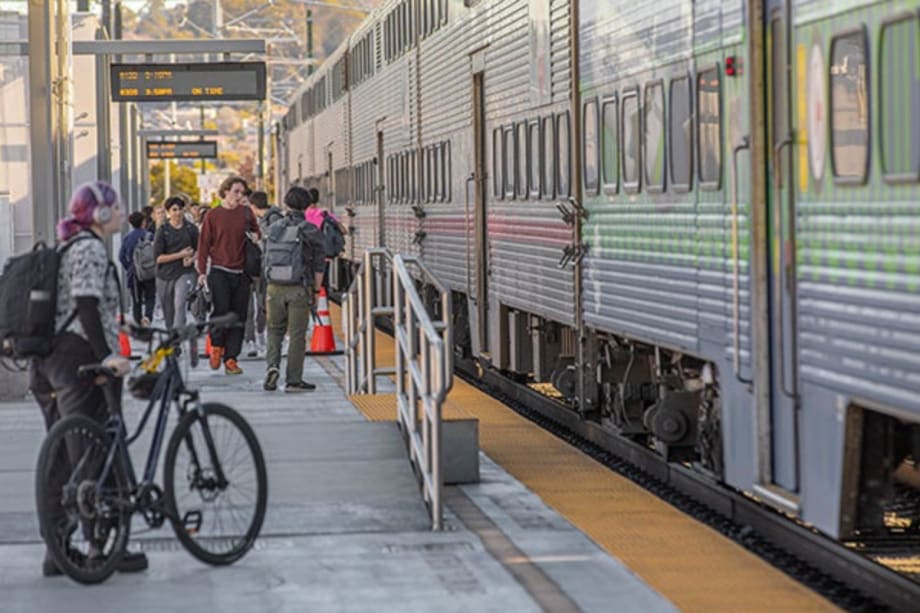
Going into 2023, many agencies are looking at restructuring their networks and service offerings to better meet the core needs of their communities.
Photo: HDR
5 min to read
The transit industry enters 2023 with optimism, with high expectations, and, for many agencies, busier than ever. Exciting new technologies are creating opportunities for efficiency and system improvements. Unprecedented federal funding offers the potential to embark on capital projects that expand or improve existing infrastructure. At the same time, the challenges created by the past few years linger, leading agencies to undertake right-sizing efforts or to re-evaluate services in the face of looming fiscal challenges.
HDR’s top transit experts across North America recently discussed the outlook for the coming year, the trends they see, opportunities, and challenges. Four common considerations rose to the forefront and will shape the future of transit and the communities it serves in the coming months and years:
A Commitment to Customer Experience

The first year of the Infrastructure Investment and Jobs Act in 2022 generated unprecedented demand for Capital Investment Grants from the Federal Transit Administration.
Photo: HDR
Going into 2023, many agencies are looking at restructuring their networks and service offerings to better meet the core needs of their communities.
Safety and security are fundamental issues impacting the quality of service, ridership retention, and retention and recruitment of frontline operating personnel. Dependability and reliability will also be critical as agencies try to build on the ridership recovery experienced in the past year. Many financially sound agencies will focus capital and operating investments on maintaining and improving the state of good repair, while other agencies begin to anticipate critical operating funding shortfalls and the impacts on service levels that would ensue.
Data-informed community analysis such as that used by the Charlotte Area Transit System’s CONNECT Beyond effort can help agencies understand the neighborhoods they serve and their residents’ largest needs, even as they shift. And ever-improving planning technology and route analysis tools can map out routes and schedules that maximize the efficiency of buses and trains and paratransit networks.
As transit agencies reconsider how to demonstrate their value proposition to the riding public, it is also a good time for a reset in their strategic planning. Plans created two, three, or five years ago likely need to be updated to match today’s circumstances and funding realities. Agencies will resort to in-house and external policy analysts and advisory staff to ensure they fully understand federal and state programs for which they qualify, newly minted regulations and criteria, and new funding options.
New Funding Realities

With increased funding and demand for staff resources across transit, and higher than average retirements reducing the workforce, the industry needs to adapt and evolve quickly.
Photo: HDR
The first year of the Infrastructure Investment and Jobs Act in 2022 generated unprecedented demand for Capital Investment Grants from the Federal Transit Administration.
More than 60 projects entered the grant pipeline, the highest level of demand seen in decades. Despite the new funding, demand still far exceeds availability with some projects now exceeding $5 billion in costs.
As these grants proceed and COVID-19-related support winds down, 2023 will see a varied picture for funding. Some agencies will be challenged with fiscal cliffs that require finding new funding sources. Others will experience an influx of funding but may struggle to put it to work in a tight labor market and to cover higher materials costs.
New federal guidance on FTA funding programs may also require a shift in agency strategies, placing more emphasis on the current administration’s priorities such as equity and climate change. As agencies navigate these changes, they will likely rely on federal funding and grant expertise to help understand what has changed, meet new requirements and adjust projects, if necessary, to maximize their grant opportunities. Long lead planning and multi-year grant reporting requirements will call for new levels of project support.
Workforce Capacity Crunch

Many agencies are exploring ways to make their systems more efficient through technology solutions.
Photo: HDR
With increased funding and demand for staff resources across transit, and higher-than-average retirements reducing the workforce, the industry needs to adapt and evolve quickly.
The staffing shortage across all sectors of the transit industry threatens to dash the aspirations of agencies and their partners. High demand for and limited availability of resources will continue to drive wage rates and salaries higher, putting upward cost pressures on the services those sectors deliver
In the long term, addressing the current workforce shortage will require promoting transit career opportunities to younger generations. Reaching out to middle and high schools with STEM initiatives and creating new internships will help fill the talent pipeline and lay the groundwork for a strong future workforce, and recruitment efforts and training programs in historically underserved communities cast a wider net to attract qualified workers to transit.
In the short term, the disconnect between workforce capacity and project demands will likely lead to more program management partnerships between agency staff and consultants and lead to filling subject matter knowledge gaps with outside experts. Many high-profile projects such as the Ontario Line Subway in Toronto, Mid-Coast Trolley in San Diego, Penn Station Reconstruction in New York, and Project Connect in Austin have benefited from this program management model, and this trend is likely to continue.
Advancements in Technology and Systems
Many agencies are exploring ways to make their systems more efficient through technology solutions.
Zero emissions advancements continue to be a hot topic throughout transit, with many agencies exploring the operating and environmental benefits of hydrogen as well as electric fleets. Funding and investment in this area will continue throughout 2023 as agencies map out their needs, not just for vehicles but for new charging infrastructure and upgraded operations and maintenance facilities, as well.
Agencies taking this route will need a funding strategy spanning multiple years for fleet replacement and infrastructure. A focused, holistic complete-fleet transition plan with a phased approach allows a transit agency the ability to adapt and incorporate industry changes over time.
On a systems level, bus rapid transit continues to rise in popularity, having proven itself in many cases as more affordable and as reliable as rail. Minneapolis is just one of many cities where new BRT lines have shown themselves a worthwhile investment. The result has been a shift in rail-focused capital projects to BRT-focused alternatives that are likely to continue through 2023. A notable example is the Lowcountry Rapid Transit system, South Carolina’s first BRT currently in development in the Charleston region.
In addition, microtransit and micromobility are being increasingly incorporated into traditional systems. These options made their debut several years ago to make critical first/last mile connections. Moving forward in 2023 and beyond, some systems will use micro-transit to provide service to communities that historically have not been afforded fixed-route transit.
As these emerging technologies take hold, their successful design and implementation will require skilled experts well-versed in advancements and best practices from across the industry. Fortunately, the transit industry is responding, but consistent with workforce shortages across all sectors, that response is not keeping pace with demand.
This was originally published by HDR.
Subscribe to Our Newsletter
More Management
COTA Launches First Customer Experience Action Plan to Improve Transit Service
The new plan outlines improvements to service reliability, accessibility, communication, and the overall rider experience across Central Ohio's transit system.
Read More →
LA Metro September Ridership Climbs 3.9%, Led by Rail Growth
The agency recorded more than 27.2 million boardings, with rail ridership increasing 12.4% year over year and the D Line posting the largest gains.
Read More →
Utilimarc Launches SmartReplace to Optimize Fleet Replacement Decisions
AI-powered SmartReplace helps fleets prioritize vehicle replacements, model budget scenarios, and build more defensible long-term strategies.
Read More →
APTA Honors 2026 Award Winners, Hall of Fame Inductees at TRANSform & EXPO
Innovations in autonomous and zero-emission transportation, standout transit systems, and industry leadership took center stage among this year's honorees.
Read More →
7 Ways to Build a Better Transit Internship Program
Lessons from DRPA/PATCO’s approach to creating a meaningful internship experience—and developing the next generation of transportation professionals.
Read More →
Scenes from APTA TRANSform & EXPO 2026
Transit leaders, manufacturers, and industry professionals gathered in Chicago to explore new technologies, share ideas, and discuss the future of public transportation.
Read More →
Building Stronger Leaders, More Resilient Transit Teams
Dr. Carol Parker Walsh discusses leadership development, employee retention, workplace culture, and preparing transit’s workforce for AI and automation.
Read More →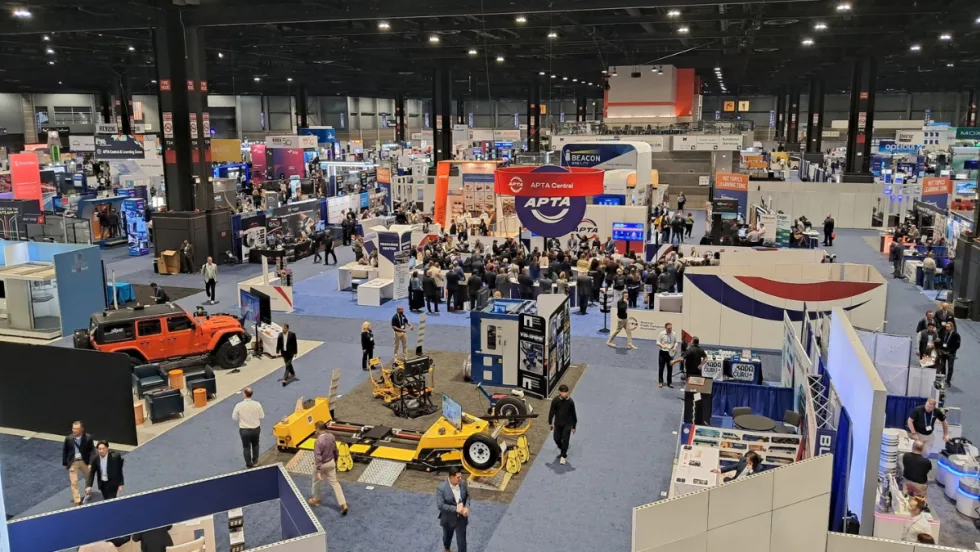
APTA 2026 TRANSform & EXPO Kicks Off in Chicago
After 45 years, APTA returns to Chicago with a focus on next-generation fleets, AI, connected transit networks, and the funding strategies shaping public transportation’s future.
Read More →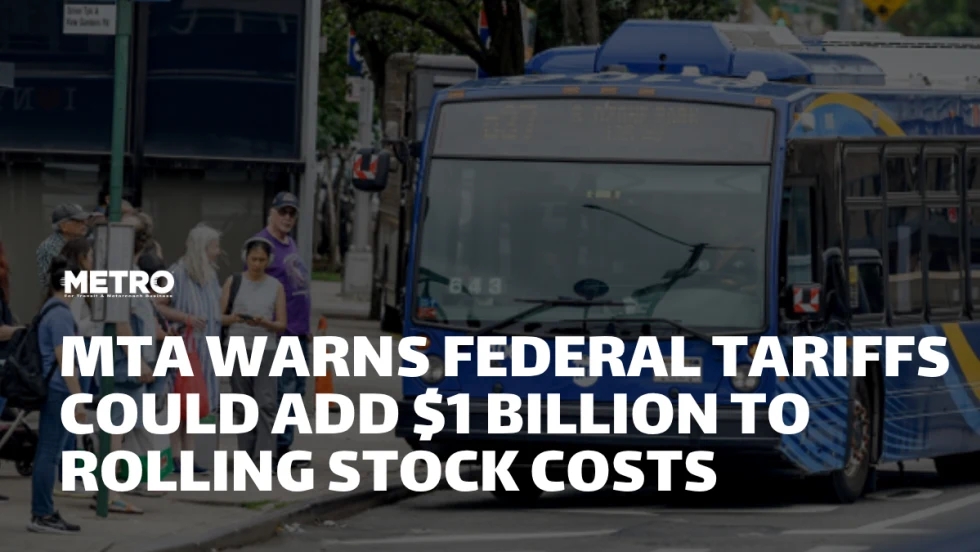
New York MTA Warns Federal Tariffs Could Add $1 Billion to Rolling Stock Costs
The agency said tariffs on specialized imported components could reduce the purchasing power of its $23 billion investment in new subway cars, railcars, and buses.
Read More →
From the Show Floor: What Happened at APTA TRANSform & EXPO 2026
See the latest product launches, partnerships, technology updates, and transit industry announcements from APTA TRANSform & EXPO in Chicago.
Read More →