




Related: TransLink, Partners Commit to First Real Estate Development Project
TransLink Mayors Council to Advance Transit Funding
The Mayors’ Council is calling on senior levels of government to act to ready the TransLink transportation system for the future.
May 10, 2023
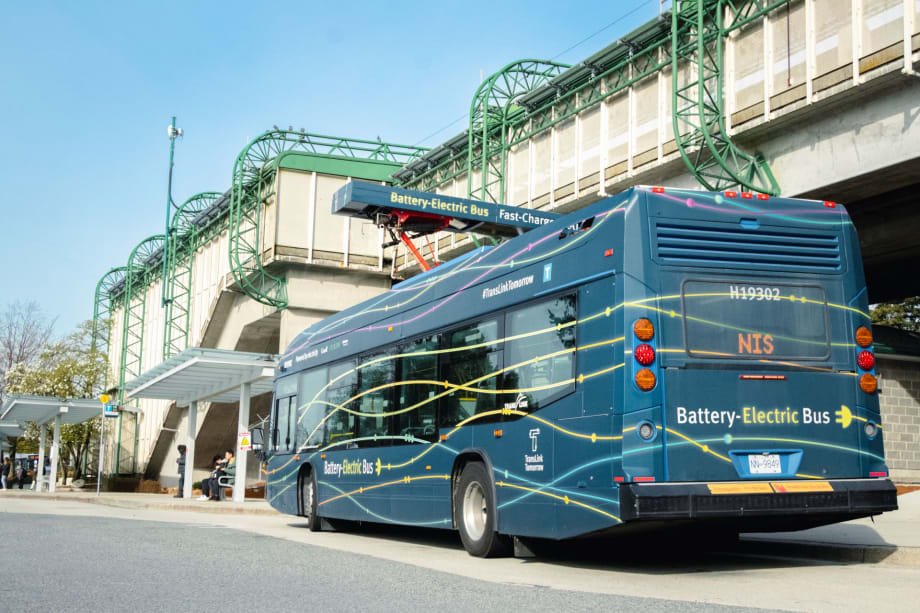
The Mayors’ Council is asking for the federal Permanent Transit Fund to be started earlier than planned, in 2024, to enable TransLink and other transit agencies to begin delivering better transit service without delay.
Photo: TransLink
3 min to read
A delegation of mayors from the Metro Vancouver region will be in Ottawa next week, calling on the federal government to expedite funding for public transit, according to TransLink's news release.
The Metro Vancouver transit system was the first metro area in North America to reach an 84% ridership recovery compared to pre-pandemic levels as of March 2023.
In many areas of the region, ridership is well above 100% of pre-pandemic levels and overcrowding is approaching 2019 levels when the system was severely congested.
TransLink Mayors’ Council
The TransLink Mayors’ Council is meeting with federal officials from May 15 to 17 to share information about "Access for Everyone," the new 10-year plan for expanding public transit across Metro Vancouver to reduce congestion and keep the region moving.
The $21 billion plan — also known as Transport 2050: 10-Year Priorities — will take a “bus-first” approach, doubling local bus service, building approximately 170 km of rapid transit, and improving infrastructure for drivers, cyclists, and pedestrians.
Raising Awareness for Public Transit
Next week’s trip marks the beginning of a campaign by the Mayors’ Council to raise awareness about the urgent need for investment in transit and transportation, and how the Access for Everyone plan will bring transit closer to more affordable parts of the region and lower GHG emissions by reducing traffic congestion.
In addition to lobbying senior governments, the campaign — launching May 15 — will include a website, community engagement, and media placements to ensure the region’s residents are familiar with the plan and its benefits.
“We want the voices of our residents to be heard in Ottawa and Victoria. Metro Vancouver’s population is growing fast and essential services like public transit are not keeping up,” said Mayor Brad West, chair of the TransLink Mayors’ Council. “Just like other core utilities that keep our region going — electricity, water, roads — public transit is key to our quality of life in Metro Vancouver and we urgently need to expand transit services as we add more people to the region.”
Between 2016 and 2022, federal immigration targets have nearly doubled.
With Metro Vancouver expected to grow by 50,000 people per year, the Mayors’ Council is calling on senior levels of government to act to ready the TransLink transportation system for the future.
“It’s important that residents across the region have access to reliable and efficient transportation options,” said Ken Sim, Mayor of the City of Vancouver. “Access for Everyone will improve transportation links in every corner of the region, helping people get where they need to go. In the spirit of collaboration, we ask the Federal Government to renew its partnership with our region and province to ensure this plan can be fully funded.”
The Mayors’ Council is asking for the federal Permanent Transit Fund (announced in 2021) to be started earlier than planned, in 2024, to enable TransLink and other transit agencies to begin delivering better transit service without delay.
The Mayors’ Council also wants to see the Government of Canada launch a tri-partite national commission together with provinces, transit agencies, and local governments to develop a new funding model for public transit which will enable Canada’s big cities to plan and build new transit.
More Management

Bringing Austin’s First Light Rail System to Life
Austin Transit Partnership CEO Greg Canally discusses the city's nearly 10-mile light rail project, its collaborative approach to project delivery, the importance of community engagement, and the milestones ahead as construction approaches in 2027.
Read More →
ETA CEO John Maglio on Transit Technology, Innovation, and Building Agency Trust
ETA founder and CEO John Maglio explores the evolution of transit technology, the importance of reliable systems, and how stronger partnerships can help agencies improve operations and the passenger experience.
Read More →
Metra Draft Plan Outlines Costs, Service Improvements for Regional Rail
The Systemwide Network Plan identifies infrastructure needs and potential investments to expand all-day, bidirectional rail service across the Chicago region.
Read More →
New Orleans RTA Names Augustine III as New CEO
In this edition, we also spotlight recent personnel moves at HDR, PATH, STV, and more, highlighting the people taking on new roles across the transportation industry.
Read More →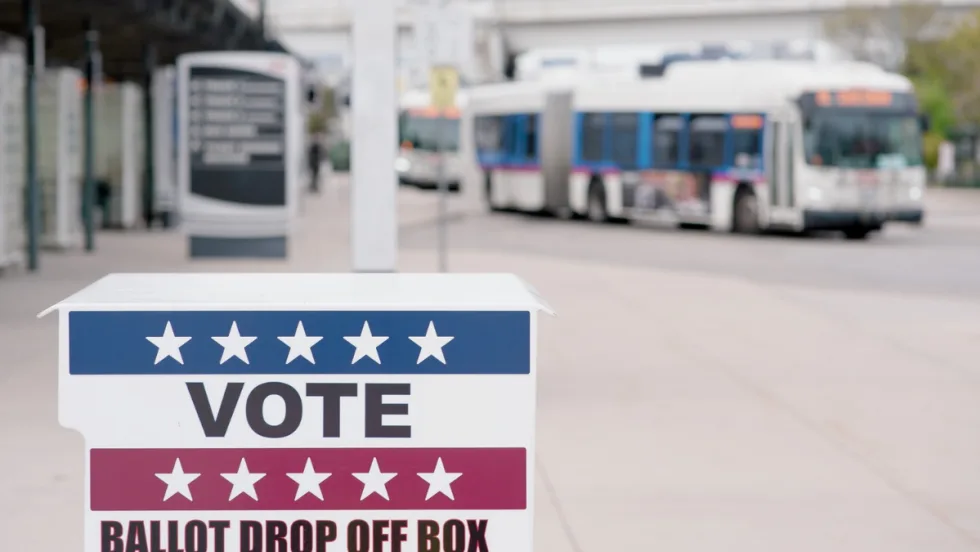
How Transit Agencies Are Using Free Rides to Improve Voting Access
Transit agencies are using fare-free service, trip-planning tools, and targeted rides to improve voting access. See what other agencies can learn from these efforts.
Read More →
Caltrain’s Electrification Drives a New Era of Ridership Growth
The railroad’s shift to electric service has brought more frequent trains, stronger customer satisfaction, and increased ridership, earning it APTA’s Outstanding Public Transportation System award.
Read More →
Chicago, Charlotte Transit Agencies Expand Rider Support Programs
CTA launched crisis intervention teams as CATS prepares to deploy fare ambassadors, expanding customer assistance and security efforts across both systems.
Read More →
New York MTA Launches Historic $1.9B Signal, Track Modernization Project
Funded in part by congestion pricing revenue, the project will replace nearly century-old signals along the A and C lines in Brooklyn and Queens.
Read More →
Brian Dickson on Building Stronger, More Resilient Transportation Organizations
Bus Business Consultants Founder Brian Dickson discusses the leadership principles, operational discipline, and strategic planning that separate transportation companies positioned for long-term success from those stuck in survival mode.
Read More →
LA Metro Breaks Ground on Vermont BRT Project
The 12.4-mile corridor is projected to serve 66,200 daily riders, reduce travel times by up to 24%, and create the nation's busiest bus rapid transit corridor.
Read More →